
A dramatic scene unfolded in Washington, D.C., over the weekend as a man allegedly attempted to breach the security of the White House Correspondents’ Association dinner, a high-profile event known for attracting a host of prominent figures. The suspect, a 31-year-old, reportedly charged through security armed with a shotgun, a handgun, and multiple knives, causing chaos and alarm among attendees.
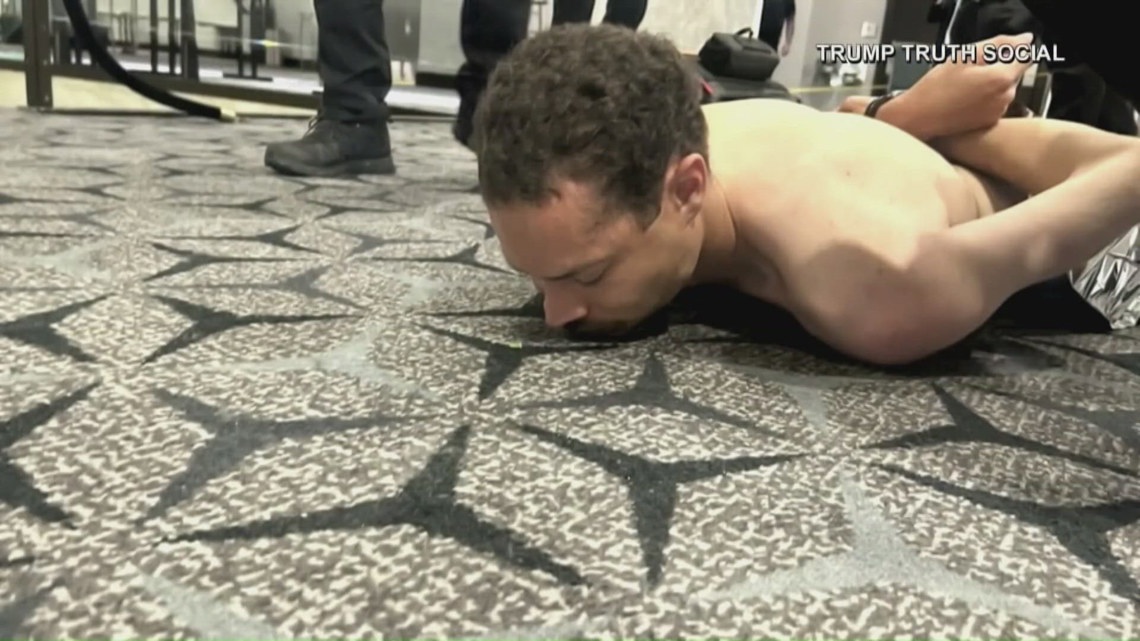
On Monday, charges were formally brought against Cole Tomas Allen, accused of attempting to assassinate President Donald Trump. Federal authorities believe the attack, which sent ripples through one of Washington’s most glamorous gatherings, had been meticulously planned for weeks. Allen made his court appearance amid tight security measures and now faces the possibility of life imprisonment if found guilty of the assassination charge.
According to an FBI affidavit, Allen had laid the groundwork for the attack well in advance. On April 6, he booked a room at the Washington hotel where the dinner was scheduled, knowing the event would be heavily guarded. He traveled from California to Washington by train last week, checking into the Washington Hilton the day before the dinner, with the room secured through the weekend.
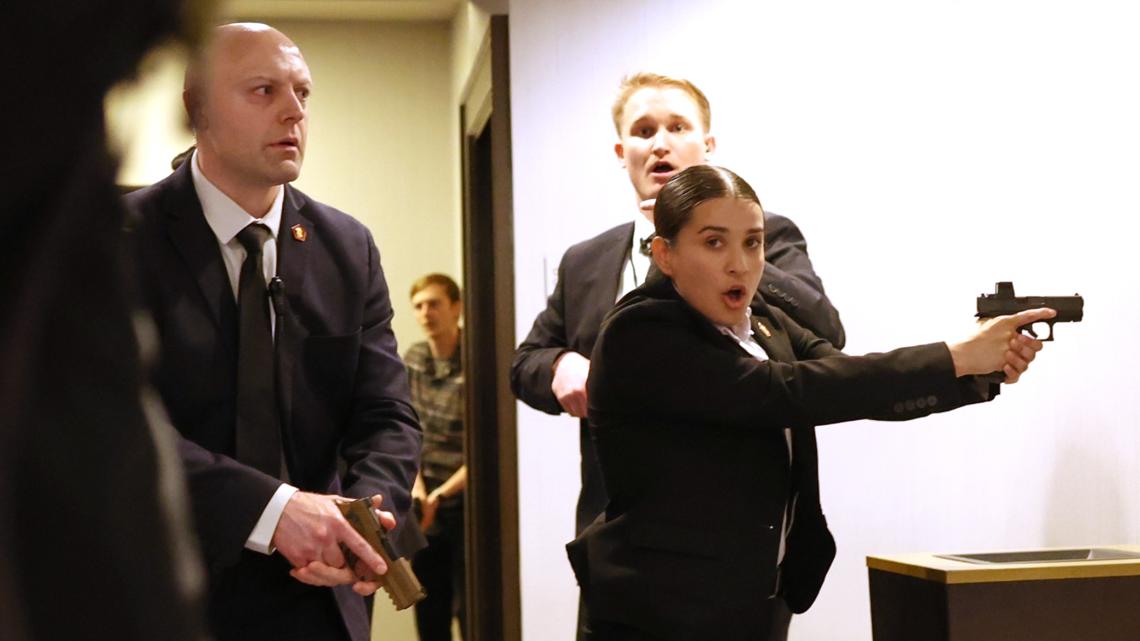
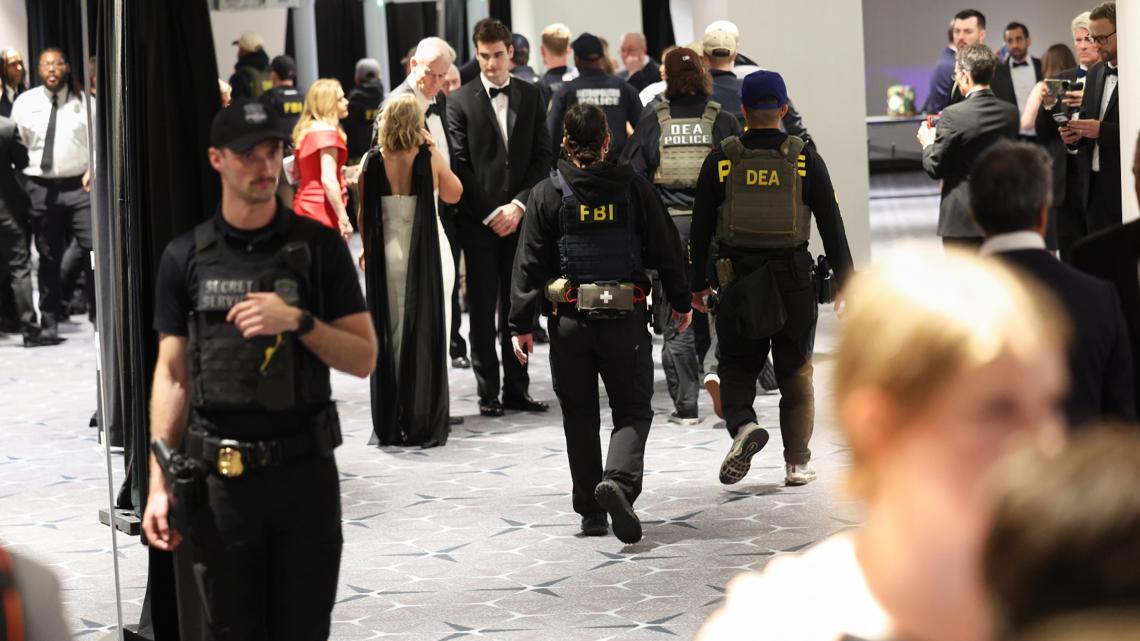
The evening had just commenced when Allen, hailing from Torrance, California, allegedly attempted to storm past a security barricade near the expansive ballroom. The room was filled with hundreds of journalists and their guests when an exchange of gunfire erupted between the suspect and Secret Service agents responsible for the event’s security. President Trump was quickly ushered off stage, unharmed, while attendees sought cover beneath tables.
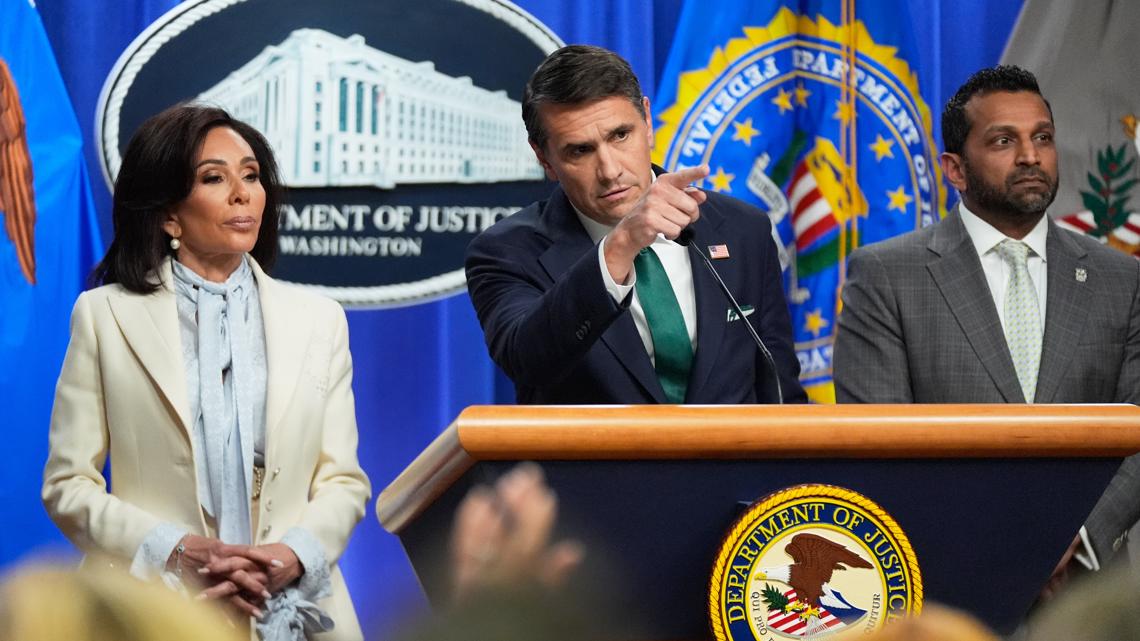
During a press briefing, Acting Attorney General Todd Blanche emphasized the gravity of the situation, stating, “Violence has no place in civic life. We will ensure accountability is swift and certain.” The incident underscores the persistent threats faced by public figures and the constant vigilance required to ensure their safety.
“Violence has no place in civic life,” acting Attorney General Todd Blanche said at a news conference. “We will ensure accountability is swift and certain.”
Allen was injured but was not shot. A Secret Service officer was shot but was wearing a bullet-resistant vest and survived, officials say. The Justice Department charged Allen with two additional firearms counts, including discharging a weapon during a crime of violence, but the affidavit does not directly say that Allen was responsible for shooting the officer.
Records show Allen is a highly educated tutor and amateur video game developer. A social media profile for a man with the same name and a photo that appears to match that of the suspect show he worked part-time for the last six years at a company that offers admissions counseling and test preparation services to aspiring college students.
White House press secretary Karoline Leavitt on Monday said the night was supposed to be one of joy but instead was “hijacked by a crazed anti-Trump individual who traveled across the country to assassinate the president and as many administration officials as possible.”
Allen invoked his constitutional right to remain silent after his arrest, but authorities say an email he sent to family members and a former employer helps shed light on a motive.
Motive still a question as investigators look at manifesto
Investigators told The Associated Press they believe Allen acted alone. No motive has been identified, though Allen reportedly sent a “manifesto” to family members shortly before the attack.
In the document, Allen allegedly described himself as “Friendly Federal Assassin” and railed against recent actions taken by the U.S. government under Trump, though he did not name the Republican president directly, according to a copy obtained by The Associated Press.
The writings ran more than a thousand words and read as a rambling, deeply personal message, opening almost jarringly with a casual “hello everybody!” before shifting into apologies to family members, co-workers, fellow travelers and even strangers he feared could be caught in the violence. The note moved between confession, grievance and farewell, with Allen thanking people in his life even as he sought to explain the attack.
Elsewhere, the document veered between political anger, religious justifications and rebuttals to imagined critics, at times reading as if he were arguing with detractors in real time.
He signed the document using a moniker that matches social media accounts that have since been taken offline. A defunct account using the same name on the platform Bluesky reposted others who offered commentary critical of Trump as well as members of the media who attend the annual black-tie dinner.
The Associated Press contributed to this report.
Copyright 2025 Associated Press. All rights reserved. This material may not be published, broadcast, rewritten, or redistributed.