In a significant upheaval within Mexico’s political sphere, two affiliates of President Claudia Sheinbaum’s party from Sinaloa state have opted to temporarily vacate their offices. This decision comes in the wake of a damning U.S. indictment accusing them, alongside eight other officials, of engaging in drug trafficking activities.
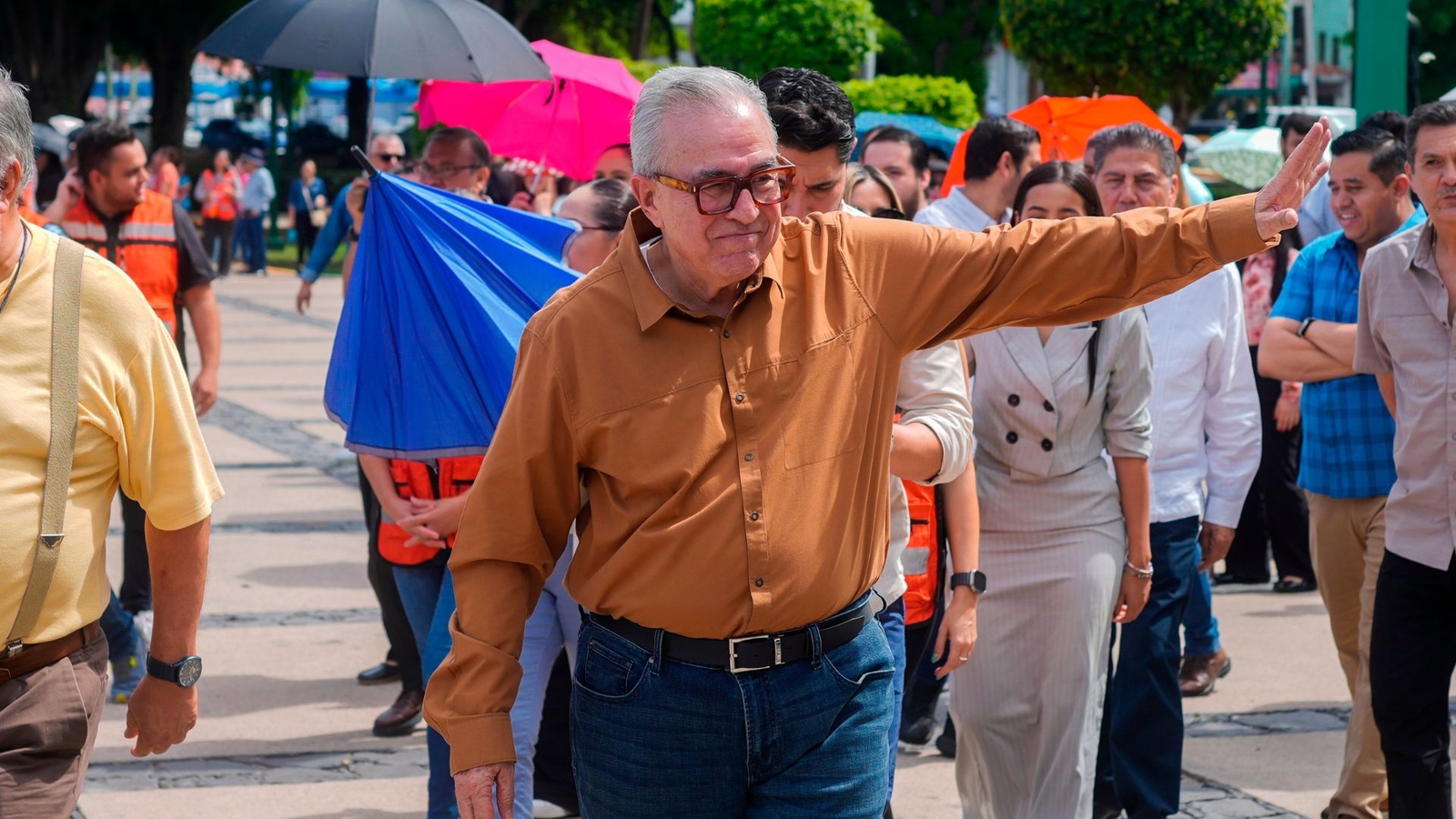
Governor Rubén Rocha Moya, the most prominent figure implicated, publicly addressed the allegations via a late-night video. He firmly refuted claims of collusion with the Sinaloa cartel and asserted he never received bribes to facilitate drug shipments to the United States.
“I stand with a clear conscience,” declared Rocha, 76, who has long been associated with the former President Andrés Manuel López Obrador. “To my constituents and my family, I can meet your gaze without shame, for I have not and will not betray your trust.”
In response to the charges, Rocha announced a temporary leave from his gubernatorial duties, a role he has held for six years, stating his intention to contest the “unfounded and defamatory” claims while collaborating with the national inquiry.
Similarly, Juan de Dios Gámez Mendívil, Culiacán’s mayor and another figure named in the indictment, declared his own leave of absence while denying any involvement in the accusations. During a special session on Saturday, the local legislative body appointed Yeraldine Bonilla Valverde, Rocha’s ally and former state secretary of government, as interim governor.
Rocha and Gámez Mendívil, by virtue of their positions, are insulated from criminal prosecution unless impeached by Mexico’s Congress. By choosing a temporary leave over resignation, they maintain this protective immunity.
Sheinbaum has struggled to strike a balance between the interests of her progressive Morena party and pressure from U.S. President Donald Trump to step up the fight against cartels.
In a nod to her party’s anti-corruption platform, Sheinbaum said she wouldn’t defend anyone found to have committed a crime.
But she vigorously defended Mexico’s sovereignty, vowing that if federal authorities uncovered “irrefutable” evidence linking the 10 indicted officials to cartel crime, the accused would be tried in Mexico, not the U.S. – a move that risks backlash from an American administration that has threatened military action against cartels on Mexican soil.
“We will never subordinate ourselves because this is a matter of the dignity of the Mexican people,” she said Friday.
Pending investigation, the Mexican attorney general’s office said it would not arrest Rocha or the other accused officials, as requested by the U.S.
Rocha, a point person for the hands-off “hugs not bullets approach to dealing with organized crime that López Obrador pioneered and Sheinbaum has since ditched, insisted in the video that the indictment represents a political attack on Morena.
“I will not allow myself to be used to harm the movement to which I belong – one that has improved the lives of millions of Mexican men and women,” he said.
Born in the same town as the notorious Mexican drug kingpin “El Chapo,” Rocha has found himself embroiled in similar scandals before. In 2024, he was named in a published letter written by a then-Sinaloa cartel capo who was kidnapped by leaders of a rival faction and handed off to U.S. law enforcement. In the letter, the capo said that he was on his way to meet Rocha when he was abducted.
Copyright © 2026 by The Associated Press. All Rights Reserved.