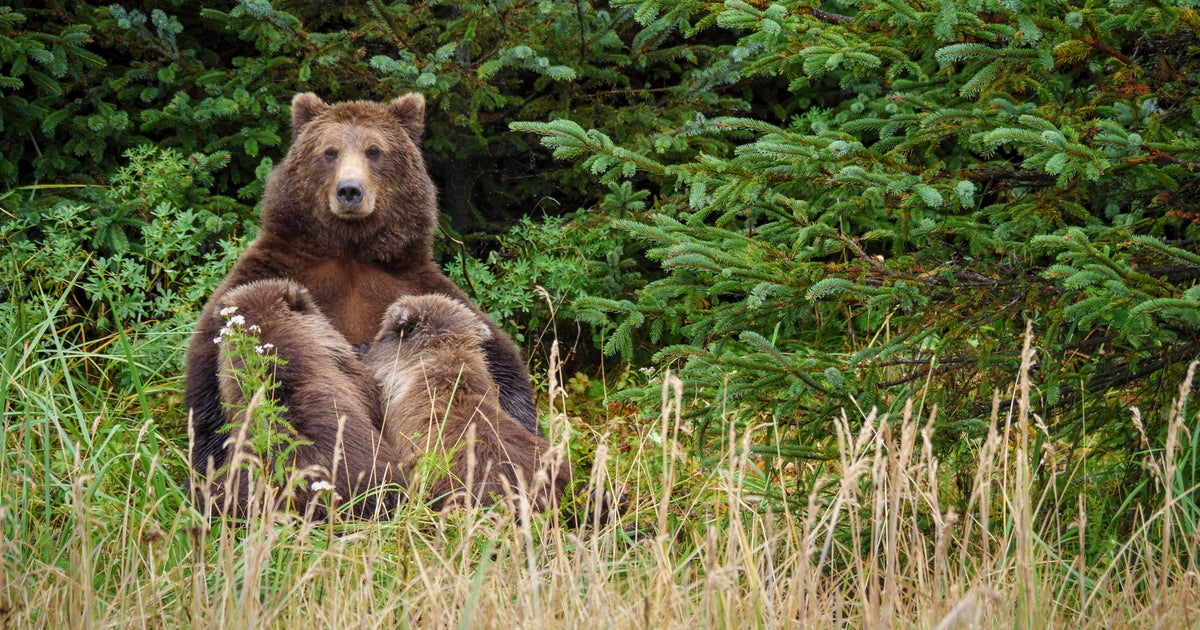

In a recent decision, a judge has granted Alaska wildlife authorities the go-ahead to resume culling black and brown bears, including using helicopters, as part of efforts to rejuvenate a dwindling caribou herd that once served as a vital food source for Alaska Native hunters. This ruling, delivered by Superior Court Judge Adolf Zeman on Wednesday, comes amidst ongoing legal challenges from conservation groups.
The Alaska Wildlife Alliance and the Center for Biological Diversity had sought an injunction to temporarily halt the bear culling program, questioning its legality. However, Judge Zeman determined that the state had sufficient grounds for implementing the plan, and thus, refrained from halting it.
The timing of this decision is particularly critical, as the Mulchatna caribou herd in southwest Alaska is on the brink of its calving season. The newborn calves are especially vulnerable to predation from bears and wolves, making the state’s intervention crucial in their survival.
State officials argue that the bear culling initiative is a necessary measure to aid the recovery of the caribou population. Historically, the Mulchatna herd had supported subsistence hunting across dozens of communities, with up to 4,770 animals harvested annually at its peak, when the herd numbered around 190,000.
However, the caribou population witnessed a steep decline starting in the late 1990s and early 2000s, plummeting to approximately 13,000 by 2019. Recent estimates from the state Department of Fish and Game suggest a slight recovery, with the population reaching about 16,280 last year. In response to these declines, hunting of the herd has been suspended since 2021.
According to the lawsuit filed by the conservation groups, the state reported the elimination of 180 bears between 2023 and 2024, predominantly targeting brown bears. Additionally, another 11 bears were culled the previous year. The Alaska Wildlife Alliance notes that in less than a month in 2023, 99 bears, including 20 cubs, were killed from the air.
The groups argue that the Alaska Board of Game last year authorized reinstating the program without key data on the bears’ population numbers and sustainability.
Cooper Freeman, Alaska director at the Center for Biological Diversity, said in a statement the groups want to see the caribou herd thrive, “but the state simply hasn’t shown that the unrestrained killing of bears is going to help us get there.”
“We need to stop this disgraceful waste of the state’s limited resources and work based on science to protect all our wildlife,” Freeman said.
State attorneys have said that officials took a “hard look” at factors related to bear numbers in adopting the plan. Alaska is home to an estimated 100,000 black bears and 30,000 brown bears.
“The herd has persisted at low numbers but started showing a positive response since 2023, when bear removal during calving seasons began,” they wrote in a court filing.
The Alaska Department of Law welcomed Zeman’s decision “to allow this management program to continue during the upcoming caribou calving season, a crucial time for herd recovery,” spokesperson Sam Curtis said by email. The department represents the board and Department of Fish and Game.
“Continuing this program makes sense in light of the scientific record,” Curtis said.
Becky Bohrer/AP 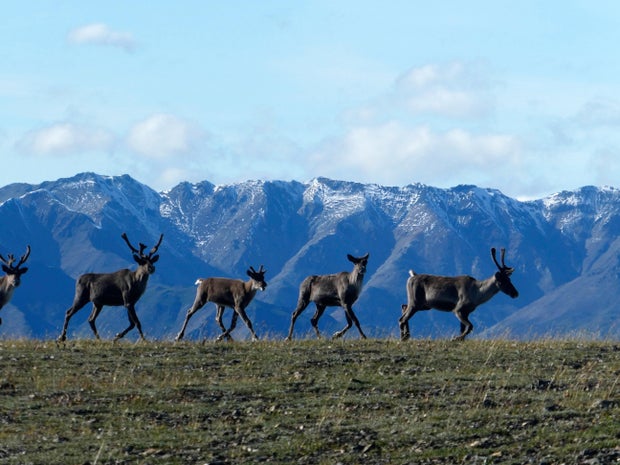
Attorneys with Trustees for Alaska, representing the conservation groups, are reviewing the ruling and “will consider all available options,” spokesperson Madison Grosvenor said by email.
The program has been the subject of ongoing litigation. A judge last year, in a case previously brought by the Alaska Wildlife Alliance, found fault with the process in which it was adopted and concluded the state lacked data on bear sustainability.
Emergency regulations implemented by the state were later struck down. A subsequent public process was announced surrounding plans to reauthorize the program, which the board did last July.
According to the Alaska Wildlife Association, a group of state biologists in 2020 determined that the main reasons for the herd’s decline were disease and a lack of food and “bear predation isn’t even in the top three identified causes of mortality among the Mulchatna herd.”
“We are concerned that big game management in Alaska has become a process whereby population objectives for wild ungulates are established based on public demand rather than on habitat capacity, promoting unsustainable management,” the alliance says in a position paper.