KAMPALA – On Monday, Ugandan health officials announced two additional Ebola cases, increasing the total number of confirmed cases to seven.
These cases are all traced back to an outbreak in neighboring Congo, which is believed to have begun several days or even weeks prior to its official declaration by Congolese authorities on May 15.
One of the initial cases involved a 59-year-old Congolese man who was hospitalized in Kampala, the capital of Uganda, on May 11. He succumbed to the disease three days later, unaware that he was infected with Ebola. Subsequently, two other Congolese individuals who sought treatment in Uganda were also diagnosed with the virus.
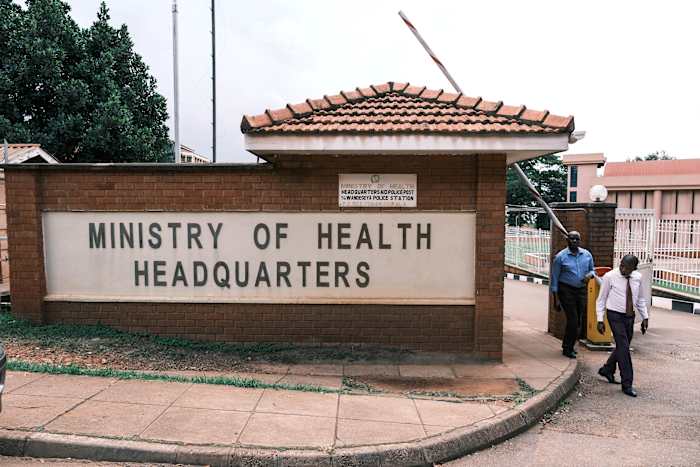
The Ugandan Ministry of Health confirmed the first local infections on Saturday: a driver and a health worker who had contact with the deceased Congolese patient from May 11. On Monday, it was revealed that two additional health workers at a private hospital in Kampala have tested positive for Ebola.
In Congo, suspected cases of Ebola have surpassed 900, predominantly in the eastern Ituri province, which is the epicenter of the ongoing outbreak. The response efforts face significant challenges due to fear, anger, and frustration among the local population, which have led to attacks on treatment centers and a general mistrust of authorities in a region historically affected by armed conflict.
The outbreak has been categorized as a global health emergency. The Bundibugyo strain of the Ebola virus responsible for this outbreak currently lacks an approved vaccine or treatment.