

In a significant development, the United States plans to scale back its military resources available to NATO allies during crises, as outlined in a recent report. This strategic shift, disclosed to senior NATO officials in Brussels, involves a reduction in bombers, fighter jets, and warships.
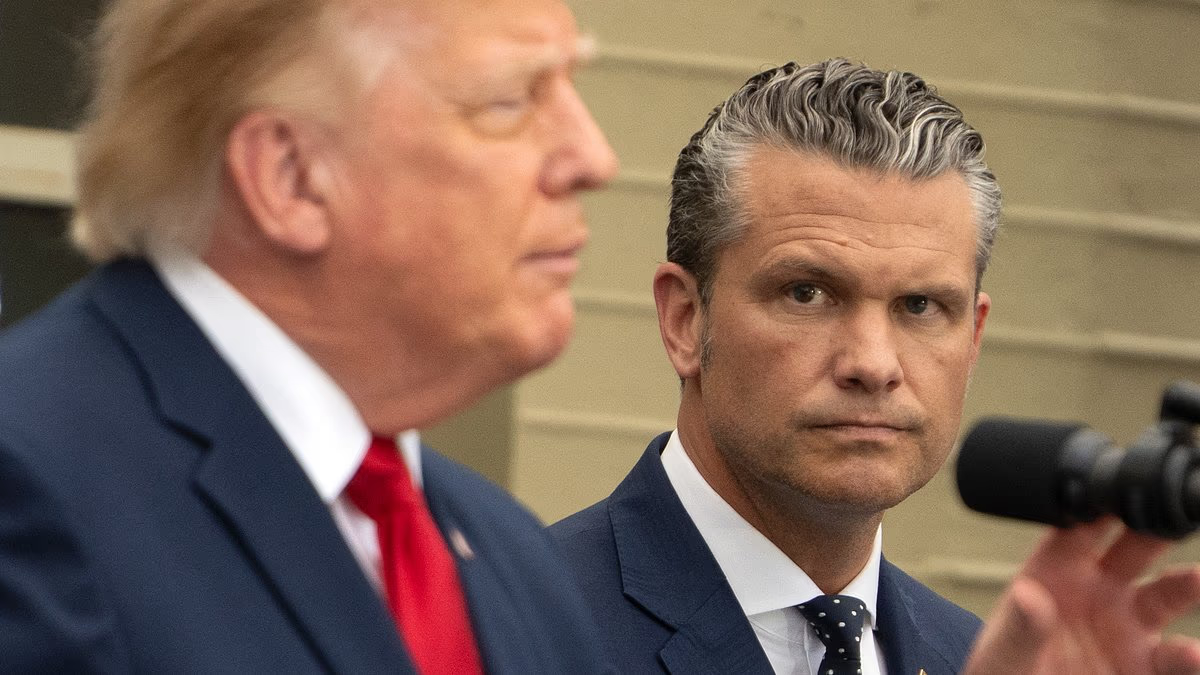
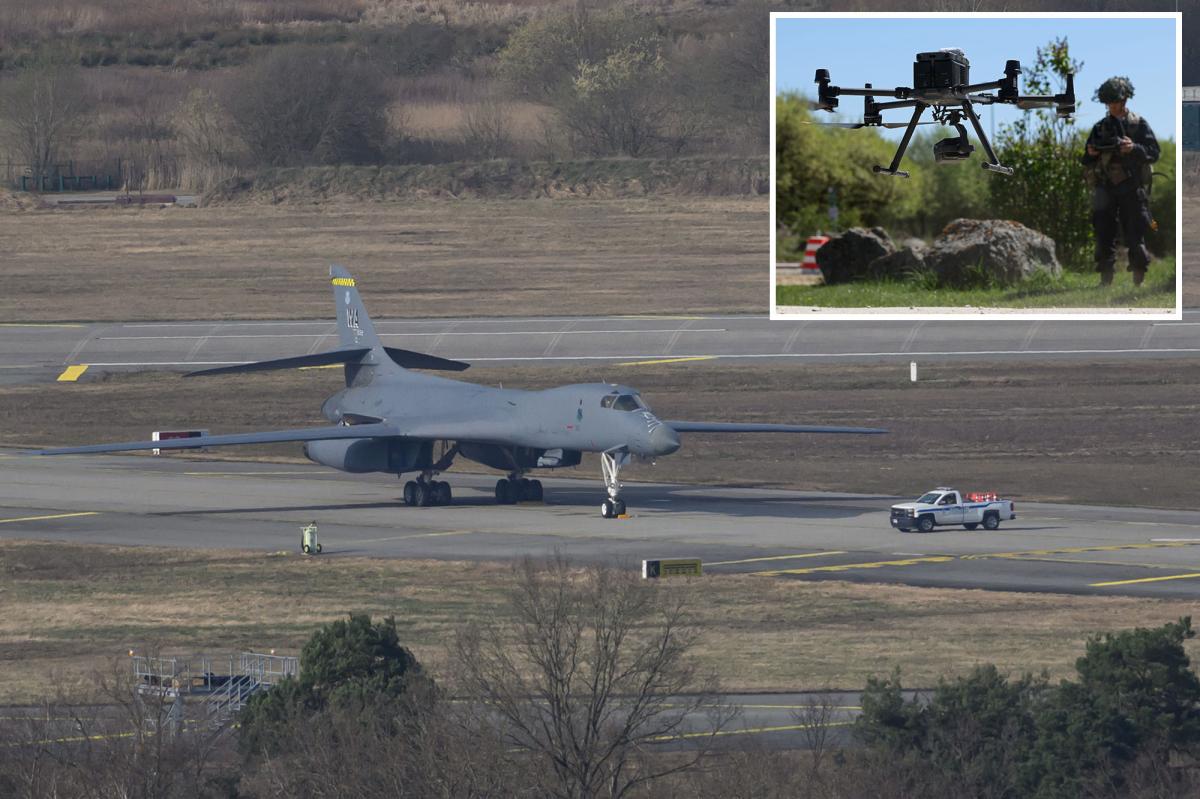
US Defense Secretary Pete Hegseth conveyed this decision last week, revealing that the number of strategic bombers available to the alliance would be halved. This was reported by the German news outlet Spiegel, highlighting a notable shift in the US’s defense posture.
Additionally, American envoy Alexander Velez-Green informed NATO members that the deployment of US fighter jets would be reduced by a third. This move signifies a considerable decrease in immediate aerial support for NATO during potential conflicts.
The US Navy also indicated a change in its commitments, announcing that it will cease providing nuclear submarines to NATO and will deploy fewer destroyers than previously. These adjustments mark a significant recalibration of naval contributions.
Furthermore, the US will retain exclusive control over its reconnaissance drones, while also reducing the availability of its attack UAVs to the alliance, as sources confirmed to Spiegel.
The decision to reduce US military presence in Europe, originally a strategic response to Cold War tensions with the Soviet Union, has gained momentum under President Trump. His administration has persistently criticized NATO members for not adequately funding their defense and allowing their military capabilities to decline.
Europe has ramped up its defense spending in recent years following the Russian invasion of Ukraine.
The US currently has about 68,000 active duty troops in Europe in bases across the continent — though most are stationed in Germany.