
In a decisive move on Saturday, the United States military executed another strike on a boat in the eastern Pacific Ocean, accused of drug smuggling activities. This latest operation led to the deaths of three individuals, marking the fourth such strike in a week and bringing the cumulative death toll to 205.
The U.S. Southern Command, through a statement on social media, reported that the targeted vessel was “engaged in narco-trafficking operations” and linked to a recognized terrorist organization. However, the announcement did not include any specific evidence to back these claims.
This strike is part of an ongoing, extensive campaign against suspected drug-smuggling boats navigating the Caribbean Sea and the eastern Pacific region. The U.S. military has been relentless in its efforts, asserting that these operations are crucial in combating the narcotics trade.
Accompanying the statement, a video was shared by the military via social media, depicting a small boat moving across the ocean, which is then seen being hit and consumed by a fireball. This visual evidence underscores the intensity and precision of the military’s actions.
Since the series of strikes commenced in early September, the death toll has steadily risen, with additional attacks reported earlier this week on Tuesday, Wednesday, and Friday. The numbers have fluctuated slightly as some individuals previously counted as survivors have yet to be located.
Under the Trump administration, the U.S. has taken a firm stance, declaring an armed conflict against Latin American drug cartels. The administration has accused these cartels of being the primary source of drugs infiltrating American communities, necessitating such robust military interventions.
U.S. Southern Command said in its post on X that the strike came at the direction of Gen. Francis L. Donovan, the top U.S. commander in Latin America. Donovan on Friday also met with Cuban military leaders near the U.S. Navy base in Guantanamo Bay.
U.S. Southern Command 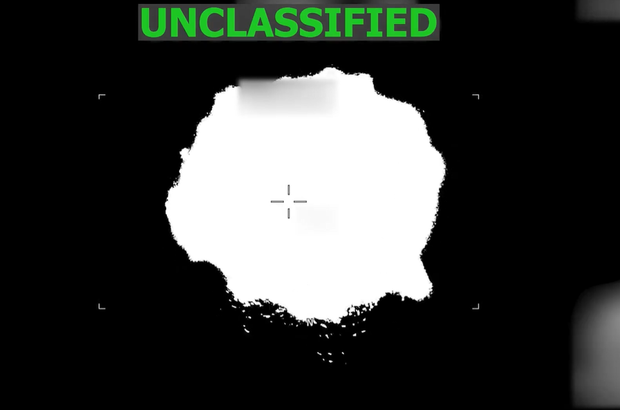
The legality of the boat strikes has come under scrutiny by experts. The White House confirmed a Washington Post report that in the first attack, which occurred on Sept. 2, the U.S. conducted a follow-on strike, or so-called double tap, that killed two survivors of the initial strike on the vessel.
Some lawmakers have questioned whether that follow-on strike constituted a war crime.
To date, only three people are known to have survived strikes and then been rescued. Two were rescued from a “narco sub” accused of carrying drugs in October and later returned to their home countries of Ecuador and Colombia.
In March, the U.S. Coast Guard said it recovered a survivor of a strike that killed two others and transferred the survivor to Costa Rican authorities.
Earlier this year, the families of two Trinidadian men who were killed in a U.S. missile strike on a boat in the Caribbean sued the Trump administration in federal court, arguing the “premeditated and intentional killings lack any plausible legal justification.”