
A Utah judge has determined that the preliminary hearing for the suspect in the murder of conservative activist Charlie Kirk will remain accessible to the media and the public. This decision came after the suspect’s defense team sought to limit access to the proceedings, a request the judge ultimately dismissed.
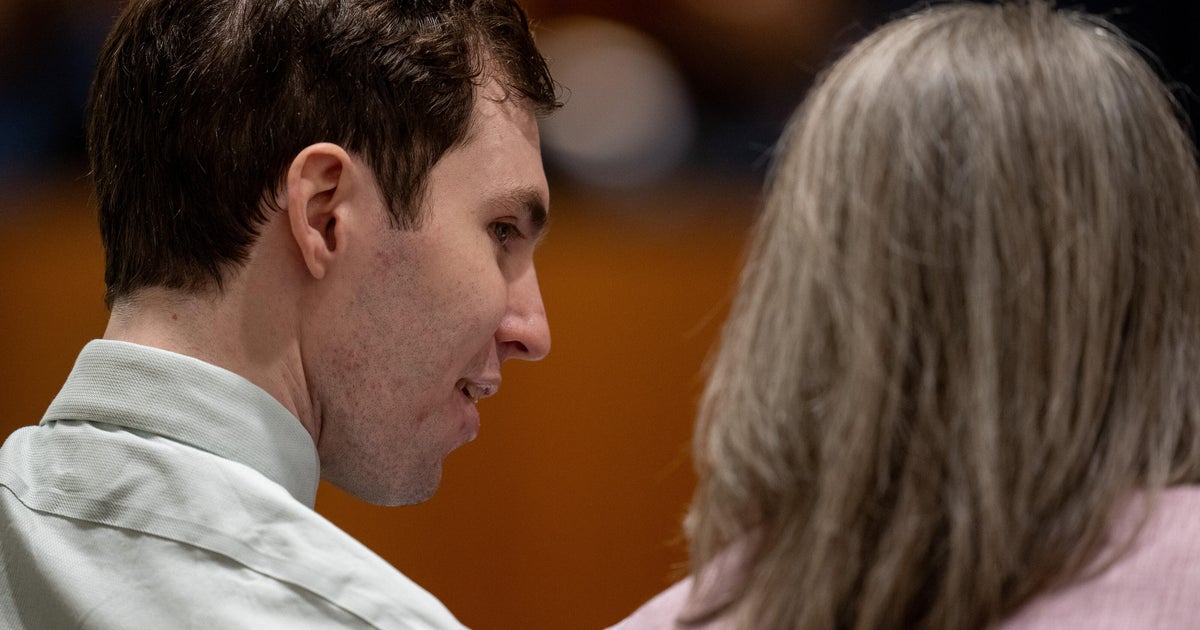
Attorneys for Tyler Robinson had petitioned Judge Tony Graf to partially close the hearing scheduled for July 6-10, during which prosecutors must demonstrate sufficient evidence to move forward with a trial. This hearing is set to be the most comprehensive presentation of evidence in a case that has been largely dominated by discussions about media coverage.
Robinson’s defense team has been keen to manage media portrayals, expressing concerns that coverage could mischaracterize their client amid the case’s high public profile. The 23-year-old hailing from southwestern Utah faces charges of aggravated murder for the alleged killing of Kirk on September 10 at Utah Valley University.
If Robinson is found guilty, prosecutors are prepared to pursue the death penalty. He has not yet entered a formal plea.
While prosecutors advocated for an open hearing, they concurred with the defense on restricting media access to some exhibits that might feature in a potential trial. These include forensic reports, surveillance footage, witness statements, autopsy results, and purported confessions by Robinson.
Investigators have reported finding DNA matching Robinson’s on several critical pieces of evidence: the rifle trigger used to shoot Kirk, a spent cartridge case, two live rounds, and a towel wrapped around the firearm. Additionally, prosecutors allege Robinson left a note for his partner stating, “I had the opportunity to take out Charlie Kirk and I’m going to take it.”
Robinson’s lawyers had pushed to delay the preliminary hearing, which was originally scheduled to take place in May. They argued in court filings earlier this year that they needed more time to review a huge amount of material, including a bullet analysis, to adequately prepare to defend him at the trial.