
In the wake of the unsuccessful prosecution of six ICE protesters, a ripple effect is now reaching other cases within Chicago’s federal courts, casting a wider spotlight on potential judicial missteps.
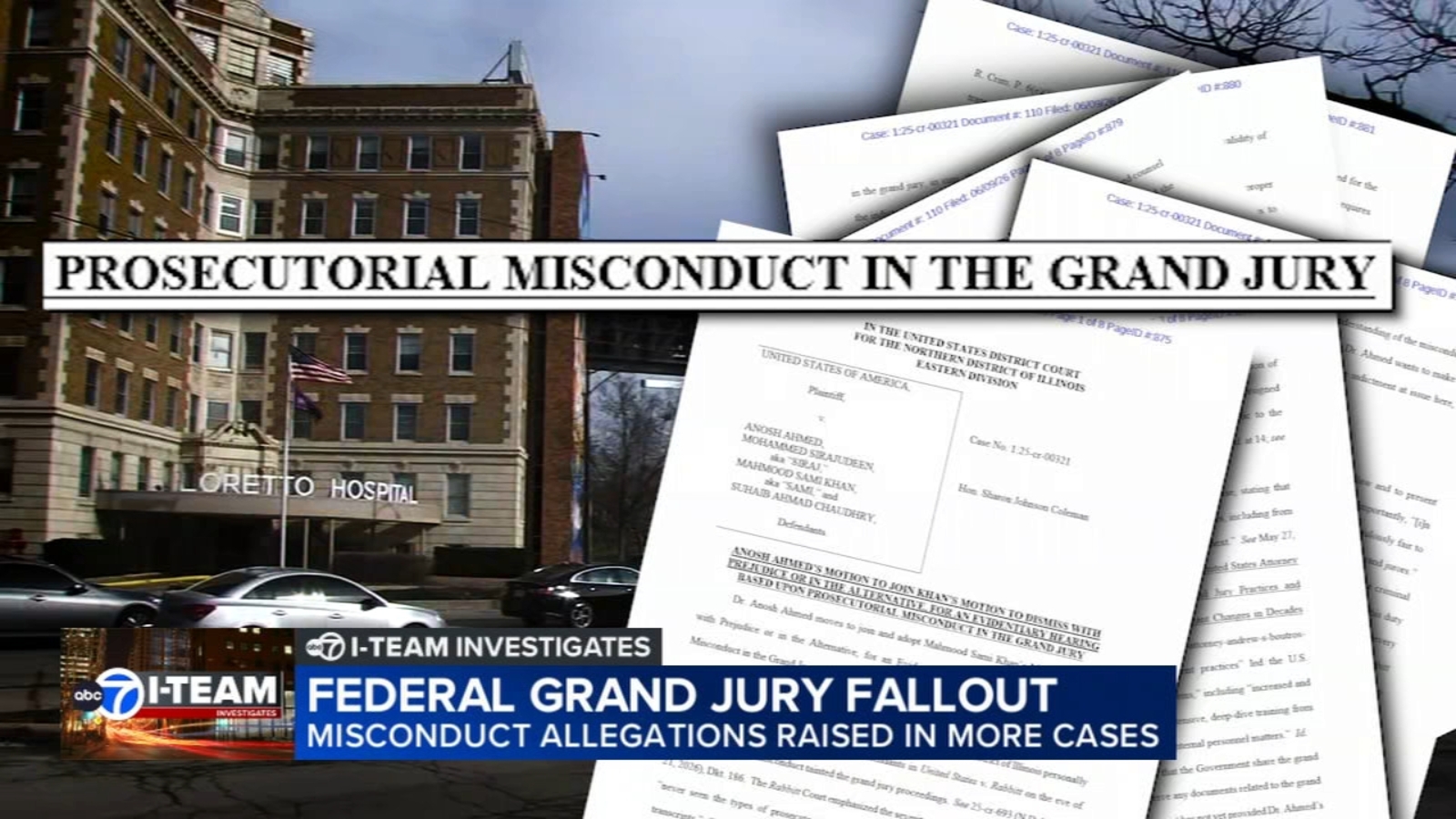
One such case involves former executives of Loretto Hospital, who are now facing intensified scrutiny. A federal judge has scheduled a hearing for next week to delve into the grand jury proceedings related to their prosecution. This development comes amidst defense claims of prosecutorial misconduct, prompting a call for the dismissal of the charges entirely.
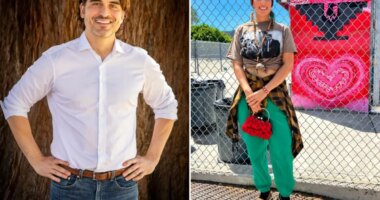
The defense attorneys for the four former hospital executives argue that their cases bear similarities to the controversial “Broadview Six” prosecution. This earlier case saw six protesters, including progressive political figures, charged with conspiracy after blocking a federal immigration officer’s path last year. However, it was dismissed due to significant prosecutorial errors.
U.S. District Judge April Perry, who presided over the Broadview Six case, highlighted the unprecedented nature of the prosecutorial conduct she observed, stating that it was unlike anything she had encountered in “hundreds if not thousands” of grand jury transcripts.
In a rare move, grand jury transcripts were released in the Broadview Six case, typically kept confidential, due to the severity of the misconduct allegations. As reported by the I-Team on Tuesday, this disclosure underscores the gravity of the issues at hand and could potentially influence how future prosecutions are handled in the federal court system.
The I-Team reported on Tuesday the rare release of grand jury transcripts usually kept secret in the Broadview Six case, given the misconduct allegations.
Perry previously said based off of those transcripts, there was a potential of sanctions for prosecutorial misconduct and ethical violations in the Broadview Six case.
Now, in the Loretto criminal case, defense attorneys say the same prosecutor, Assistant U.S. Attorney Sheri Mecklenburg, who is accused of misconduct in the Broadview case, may have done the same thing with the grand jury that indicted hospital executives last year.
Former federal prosecutor Ron Safer said the federal judges in both cases – U.S. District Judge April Perry and Sharon Coleman — are pushing for transparency.
“If it were not for Judge Perry in the Broadview six case, if not for Judge Coleman in the Loretto case, all of this misconduct would have been swept under the rug,” Safer told the I-Team. “And we would never know about what a danger to our democracy this office is proving to be.”
At Wednesday’s court hearing, prosecutors for the U.S. Attorney’s Office revealed they had offered the defense attorneys a “possible resolution” to end the Loretto case ninety minutes before the hearing.
But despite any potential resolution, Judge Coleman insisted on testimony about potential prosecutorial misconduct via an evidentiary hearing next week.
“This court needs the assistance of an evidentiary hearing. That’s important here. I don’t know if the government wants that, but it would help this court for us to have testimony on the record about this unusual situation,” Judge Coleman said.
“These issues are so serious and so important to the court,” Judge Coleman said on Wednesday. “I want to give it my best effort because this is an important point.”
Judge Coleman scheduled the hearing for June 17.
Safer said in the Broadview Six case, prosecutors attempted to dismiss serious charges in an effort to avoid having to share grand jury transcripts with the court.
“The attempt to sweep all of this under the rug comes directly from the front office,” Safer said. “You don’t get approval for dismissals. You don’t get approval for plea deals unless the U.S. attorney, the First Assistant, the Criminal Chief signs off.”
A third judge in yet another federal case expressing concern this week about credibility issues with the U.S. Attorney’s Office.
U.S. Attorney Andrew Boutros announced last month he would be implementing sweeping reforms to grand jury practices and additional training for prosecutors, but so far, few details on those reforms have been shared publicly.
The US Attorney’s Office declined to comment on this story. The I-Team also reached out to AUSA Sheri Mecklenburg for comment but did not hear back.
Safer said the fallout from these allegations of prosecutorial misconduct will be long lasting.
“This office has had the highest reputation, one of the highest in the nation for integrity, for effectiveness,” Safer told the I-Team. “And it has been destroyed in less than a year. And I don’t know how you come back from it.”
Copyright © 2026 WLS-TV. All Rights Reserved.