

On Thursday, a coalition supporting the rights of patients with disabilities launched federal lawsuits aiming to overturn contentious doctor-assisted suicide laws in New York and Illinois, claiming these laws treat terminally ill individuals as “disposable.”
The New York State Health Department recently unveiled regulations for implementing the law, which will come into effect on August 5. This legislation permits terminally ill residents of New York, who are anticipated to have less than six months to live, to make a voluntary and informed choice to obtain medication for the purpose of ending their lives.
The lawsuits assert that the doctor-assisted suicide laws in these states unjustly discriminate against individuals with disabilities by providing them with lethal prescriptions rather than ensuring they have equal access to comprehensive care and suicide prevention services available to other patients regarded as non-disabled or less disabled.
The plaintiffs argue that these laws infringe upon the Americans With Disabilities Act and violate the 14th Amendment by denying equal protection and due process to people with disabilities.
Sharon Shapiro, a board member of the Brooklyn Center for Independence of the Disabled and a participant in the lawsuit as part of the End Assisted Suicide Coalition, remarked, “When states sanction assisted suicide yet simultaneously cut essential home care and community-based services, they convey a perilous message: that death is an acceptable resolution for disability and insufficient support.”
“This is not about ‘choice,’ but rather about discrimination,” she added.
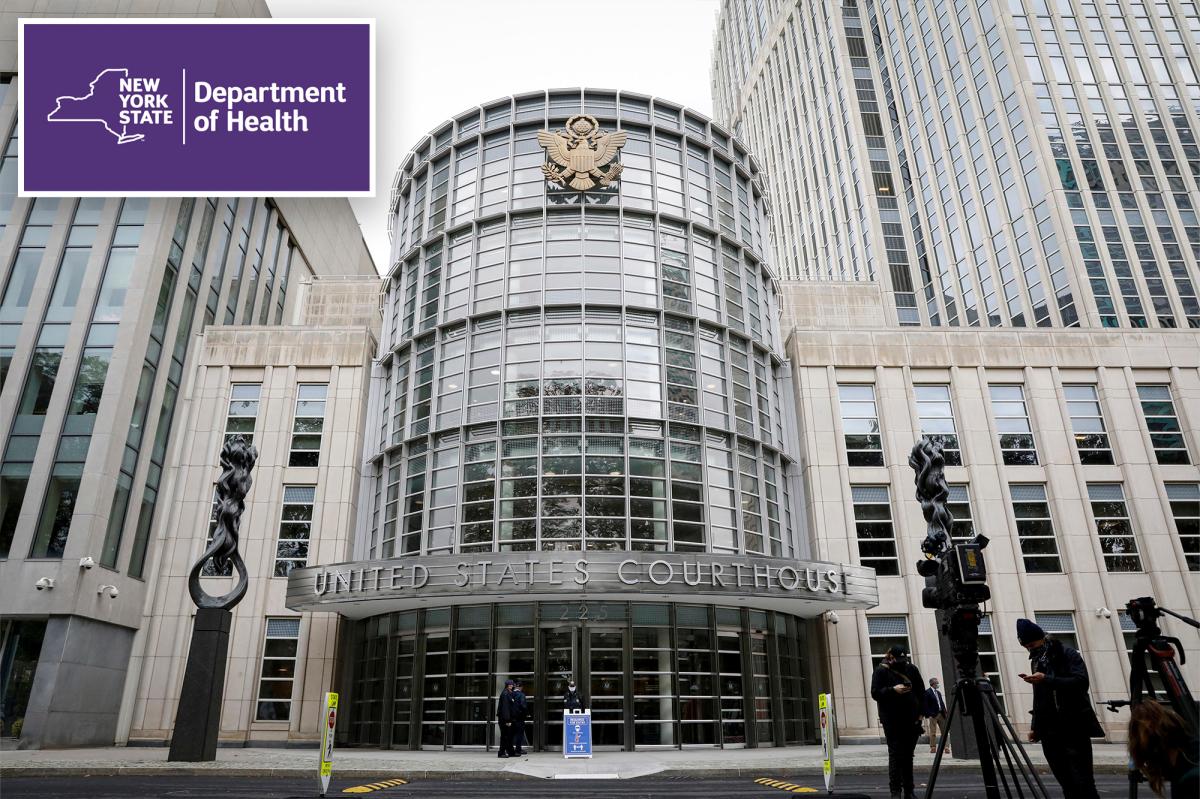
The case filed in the US Eastern District Court in Brooklyn names Gov. Kathy Hochul, state Health Department and its Commissioner James McDonald, the New York State Board of Medicine and its chair Amit Shelat and Mental Health Commissioner Anni Marie Sullivan as defendants.
One of the plaintiffs, Jose Hernández, said he was thankful the law wasn’t around when his mother was diagnosed with Stage IV ovarian cancer when she was 28 years old and he was only eight. Doctors estimated she would live for only six months.
“At the time, assisted suicide was not available, and thankfully so,” Hernández, a person with disabilities and member of the plaintiff organization United Spinal Association, said.
“Doctors did everything they could, her insurance paid for life-saving treatment, and my mother survived for 13 years,” he said.
“If she had chosen to end her life, I would have missed out on 13 years of goodnight kisses, home-cooked meals, and the opportunity to be raised by a mother who made me the strong man I am today.”
Matt Vallière, president and executive director of the Institute for Patients’ Right, said assisted suicide laws “create a separate and unequal system in which people with life-threatening disabilities are offered death instead of the support programs everyone else gets.”
“These legal actions are about affirming that every person has inestimable value and dignity, regardless of age, disability, or prognosis, and ensuring that no one is treated as disposable under the law.”
The medical euthanasia law was also condemned by New York Archdiocese Archbishop Ronald Hicks as the expression of a growing “throwaway” culture that discards life.
Hochul, a Catholic, insisted she and lawmakers “made the right decision” when approving doctor-assisted suicide the law on Feb. 6.
The law effectively makes New York a beefed-up version of “Doctor Death” – the late doctor Jack Kevorkian, whose trailblazing efforts to help patients end their own lives made him the wider death with dignity movement’s face during the 1990s.
But whereas Kevorkian skirted the law, New York is now one of 13 states plus Washington DC — nearly all liberal blue jurisdictions — that officially approved doctor-assisted suicide.
Supporters have branded the law with a euphemism: “Medical Aid in Dying” or MAID.
“Our state will always stand firm in safeguarding New Yorkers’ freedoms and right to bodily autonomy, which includes the right for the terminally ill to peacefully and comfortably end their lives with dignity and compassion,” Hochul said, as she recalled the pain of watching her mother suffer from ALS.
Hochul’s office said Thursday it could not comment on pending litigation, but added, “the historic legislation allows terminally ill New Yorkers with less than six months to live to make a voluntary, informed decision to request medication for medical aid in dying. It reflects years of thoughtful planning and consideration.”
“The Department of Health is working on regulations that will implement the law thoughtfully and responsibly,” a Hochul spokesperson said.
State Attorney General Letitia James, whose office defends the state in litigation, declined comment.
The End Assisted Suicide coalition previously filed lawsuits against doctor-assisted suicide laws in California, Colorado and Delaware.