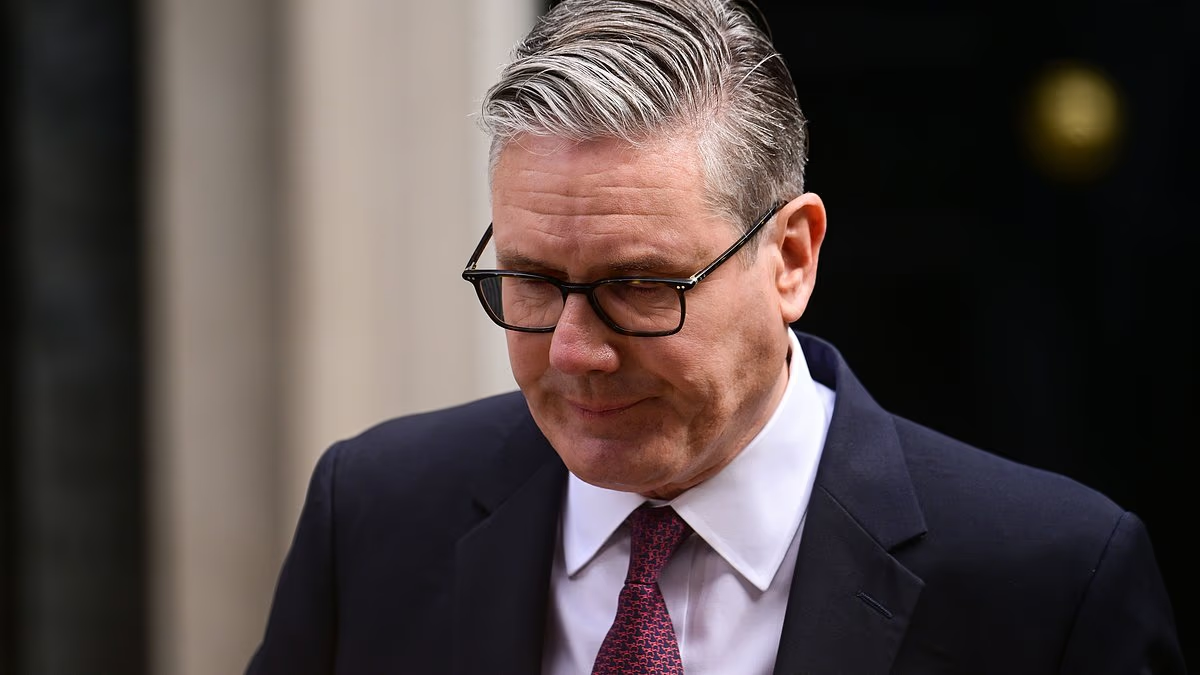
British Prime Minister Keir Starmer said Monday he will step down, following an escalating rebellion within the Labour Party triggered by heavy local election defeats, ministerial resignations and intensifying pressure from senior figures in his cabinet.
Starmer said he had concluded he was no longer able to hold the party together and would resign both as prime minister and Labour leader, though he is expected to stay in Downing Street until a replacement is selected.
“Every decision I’ve taken has been about putting the country I love first. That is why I will resign as leader of the Labour Party. I have spoken to his majesty the king this morning to inform him of my decision,” he said in a statement delivered outside 10 Downing Street.
Addressing the unrest inside Labour, Starmer added, “The question my party is asking now is whether I am best placed to lead us into the next general election. I have heard the answer of my parliamentary party to that question, and I accept that answer with good grace.”
He said he would continue as caretaker prime minister while Labour members move to select a new leader in the weeks ahead.
The decision comes after weeks of political upheaval for Britain’s governing party. Labour lost about 1,500 council seats and control of more than 25 councils in last month’s local elections, according to U.K. media reports. The party’s setbacks were driven in part by strong gains for Nigel Farage’s Reform UK in Labour’s traditional heartlands, as well as Green Party advances in urban constituencies.
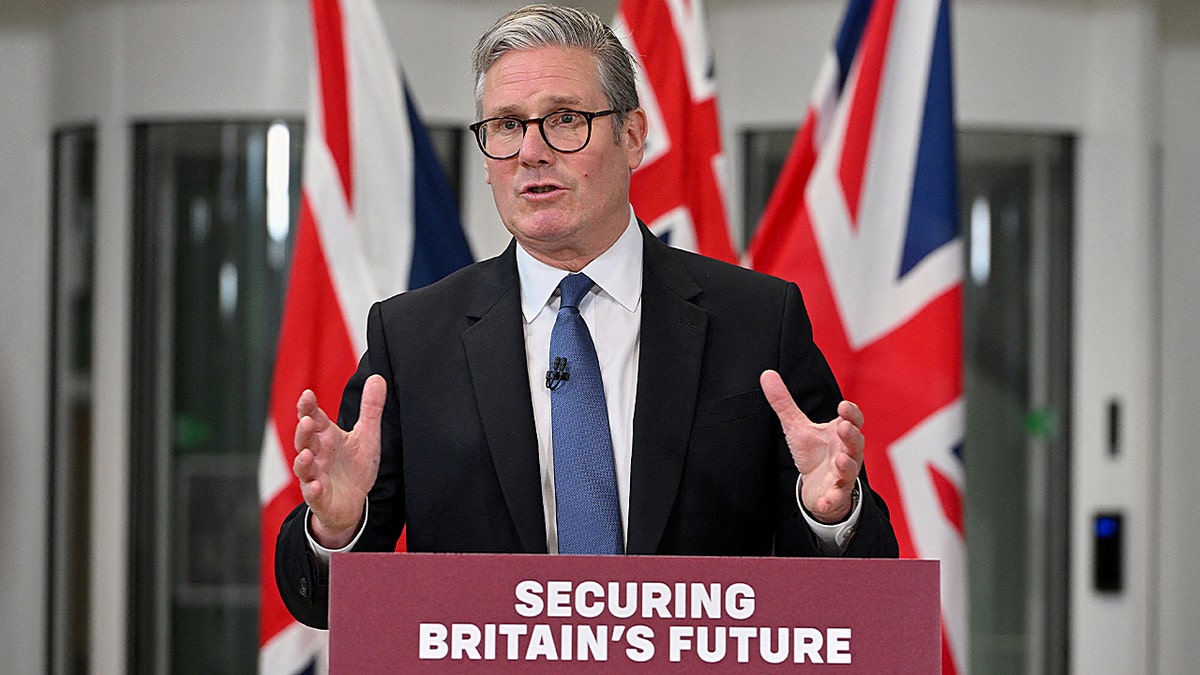
Britain’s PM Starmer speaks during a press conference, in London. (Thomas Krych/Pool via REUTERS)
Starmer’s position was further weakened by a damaging clash with President Donald Trump over the Iran conflict earlier this year. The British leader initially resisted U.S. requests to use British bases during military operations against Iran, leading Trump to rebuke him publicly on March 3, saying: “This is not Winston Churchill that we’re dealing with.”
But after initially drawing a hard line, Starmer later approved limited defensive cooperation with the U.S., angering anti-war lawmakers inside his own party while still failing to satisfy critics who accused him of indecision and weak leadership.
Public frustration over the episode surfaced in YouGov focus groups and polling commentary, where voters described Starmer as “weak,” “indecisive” and overly reactive to Washington.
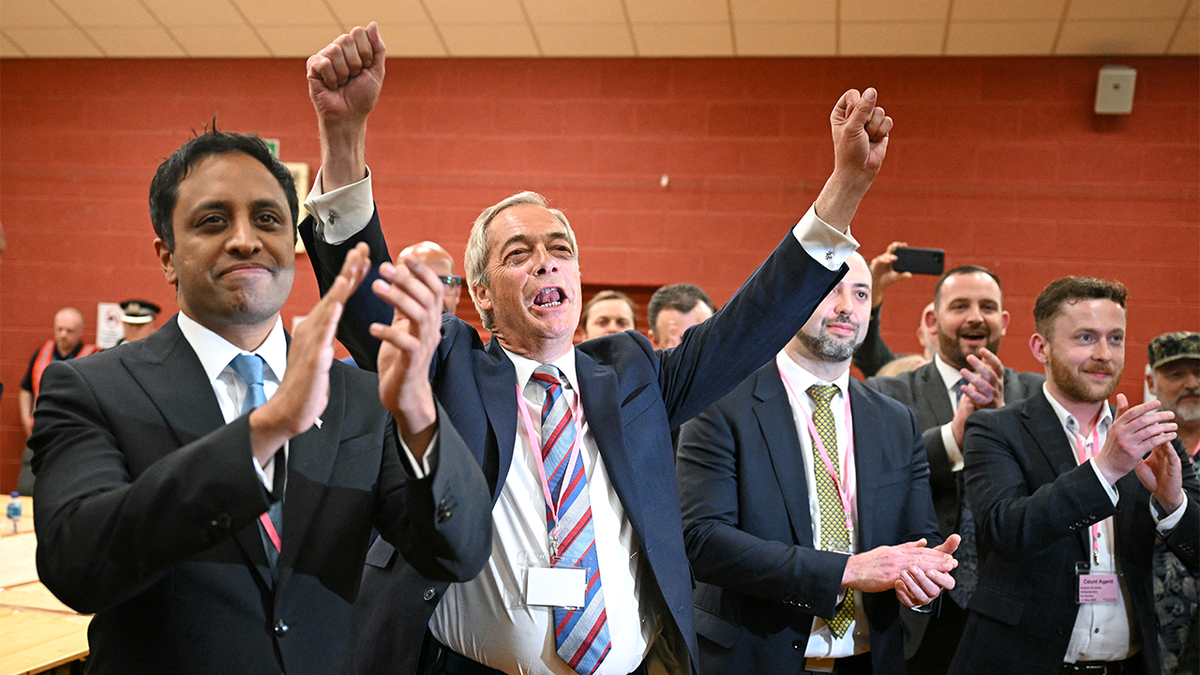
Nigel Farage, leader of the Reform UK party, celebrates the victory of Sarah Pochin in the Runcorn and Helsby by-election at the DCBL Stadium in Widnes, England, on May 2, 2025. (Oli Scarff/AFP)
READ MORE: Biden Needs Stage Directions at Obama Library Debut, Raising Fresh Questions
The crisis escalated after two Labour ministers resigned publicly and called for a leadership transition.
Jess Phillips resigned from her government role after Starmer reportedly refused to step aside during a cabinet meeting. Phillips said Labour needed leadership with more “gusto” and warned the government was failing to deliver the change voters expected, according to The Guardian.
Miatta Fahnbulleh also resigned and called for what she described as an “orderly transition,” according to U.K. media reports Tuesday.
More than 80 LabourMPs publicly called for Starmer to resign. Steven Swinford, political editor at The Times, wrote on X, “What is striking is the fact that they hail from all wings of the party,” adding that roughly a third were centrists, while others came from Labour’s soft-left and hard-left factions.
John Healey defended Starmer publicly before the resignation announcement, saying, “More instability is not in Britain’s interest. Our full focus must be on security.”
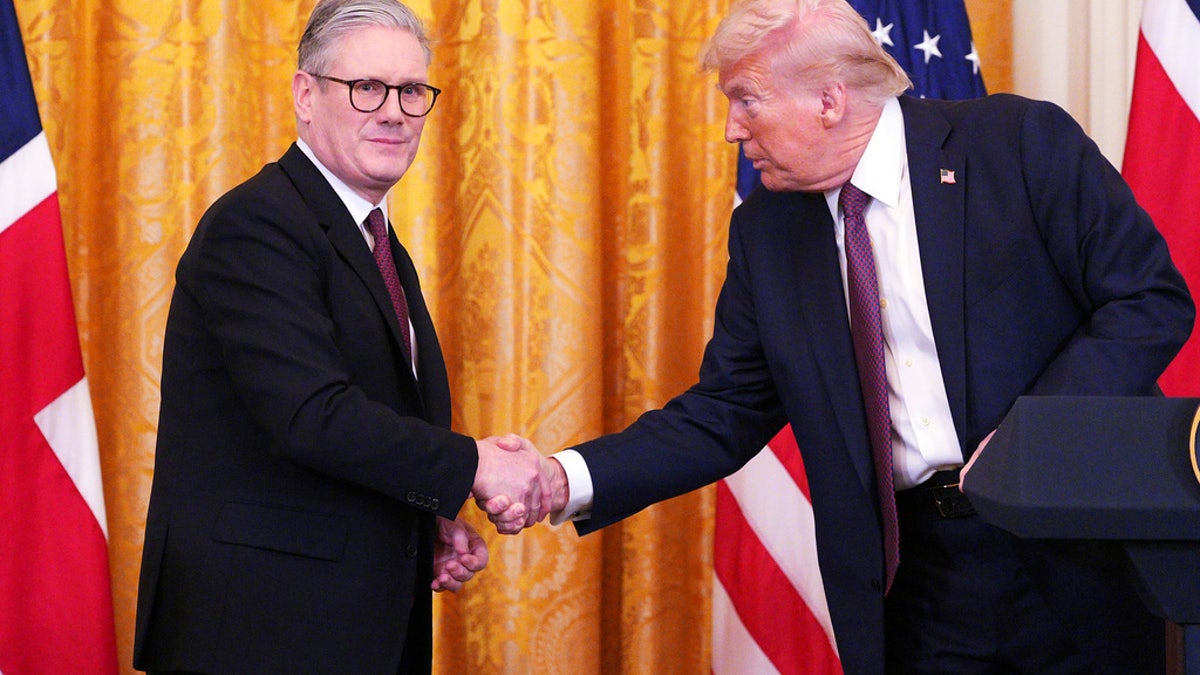
Britain’s Prime Minister Keir Starmer and U.S. President Donald Trump shake hands at a joint press conference in the East Room of the White House in Washington on Feb. 27, 2025. (Carl Court/Pool Photo/AP)
Starmer also faced criticism over his appointment of Peter Mandelson as ambassador to Washington, reviving media scrutiny surrounding Mandelson’s past association with convicted sex offender Jeffrey Epstein.
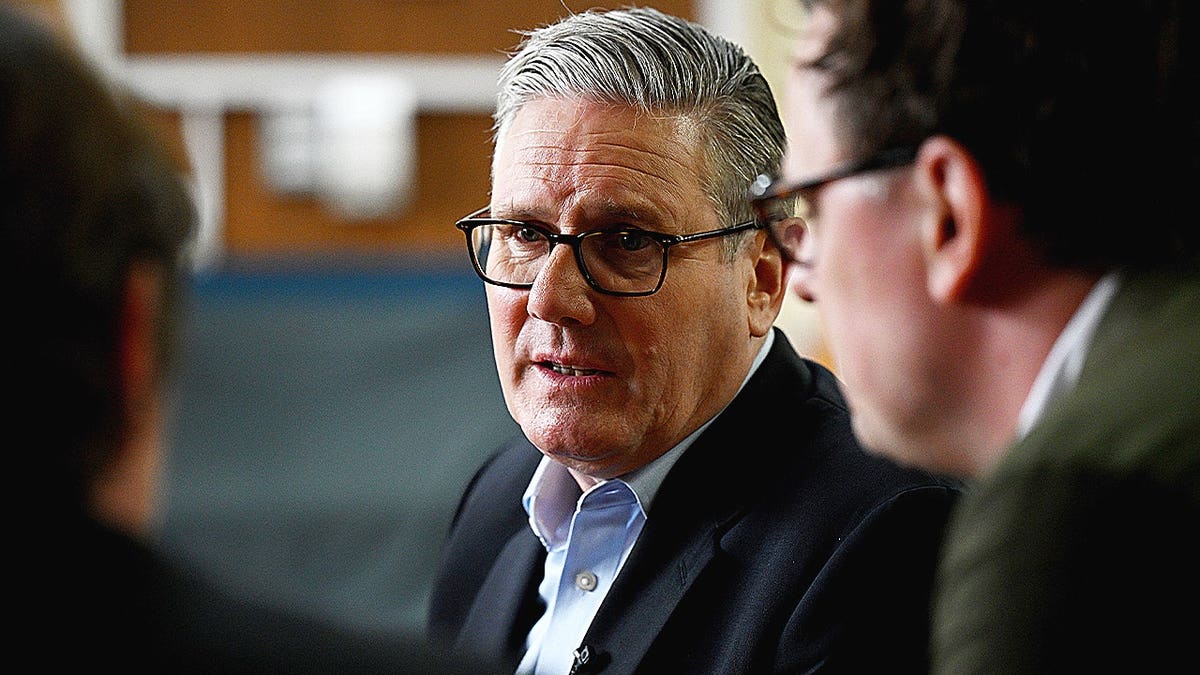
Sir Keir Starmer announced his resignation on Monday. (Leon Neal/Getty Images)
Attention now turns to a potentially divisive Labour leadership contest that will determine both Labour’s next leader and Britain’s next prime minister.
Wes Streeting is viewed as a leading contender from the party’s centrist wing, while Andy Burnham remains popular among Labour’s grassroots having recently won a seat in Parliament. Deputy Prime Minister Angela Rayner is also expected to play a major role in shaping the succession battle.