Four Venezuelan nationals have been charged in an alleged “jackpotting” operation that turned Connecticut rest-stop ATMs into cash-dispensing targets and generated more than $529,000 in under two weeks, federal prosecutors said.
According to the U.S. Attorney’s Office for the District of Connecticut, the group allegedly targeted ATMs along Interstate 95 and at several other locations in the state between Aug. 8 and Aug. 18, 2025, using specialized equipment and malware to make the machines release cash.
Prosecutors said Euclides Moreno Itanare, 28, of Raleigh, North Carolina; Willian Ricardo Flores, 49, of the Bronx, New York; Alberto Jose Freites Arvilla, 41, of Queens, New York; and Luis Jose Freites Arvilla, 38, of Lynn, Massachusetts, were arrested June 25 and charged with interstate transportation of stolen property and conspiracy.
All four men are citizens of Venezuela, authorities said.

Prosecutors allege the men used malware and specialized hardware to break into ATMs, trigger unauthorized cash withdrawals and transport more than $529,000 in stolen funds across state lines. (U.S. Attorney’s Office for the District of Connecticut)
Federal officials said the ATMs hit in the scheme included machines in Milford and Ansonia, along with I-95 rest areas in Fairfield, Branford, Madison and Darien.
One of the largest alleged thefts involved $136,000 taken from an ATM at the northbound I-95 rest stop in Fairfield, prosecutors said. Authorities also cited $84,000 allegedly stolen from a southbound I-95 rest stop in Madison, $66,400 from a northbound I-95 rest stop in Branford and several incidents in Darien that together exceeded $177,000.
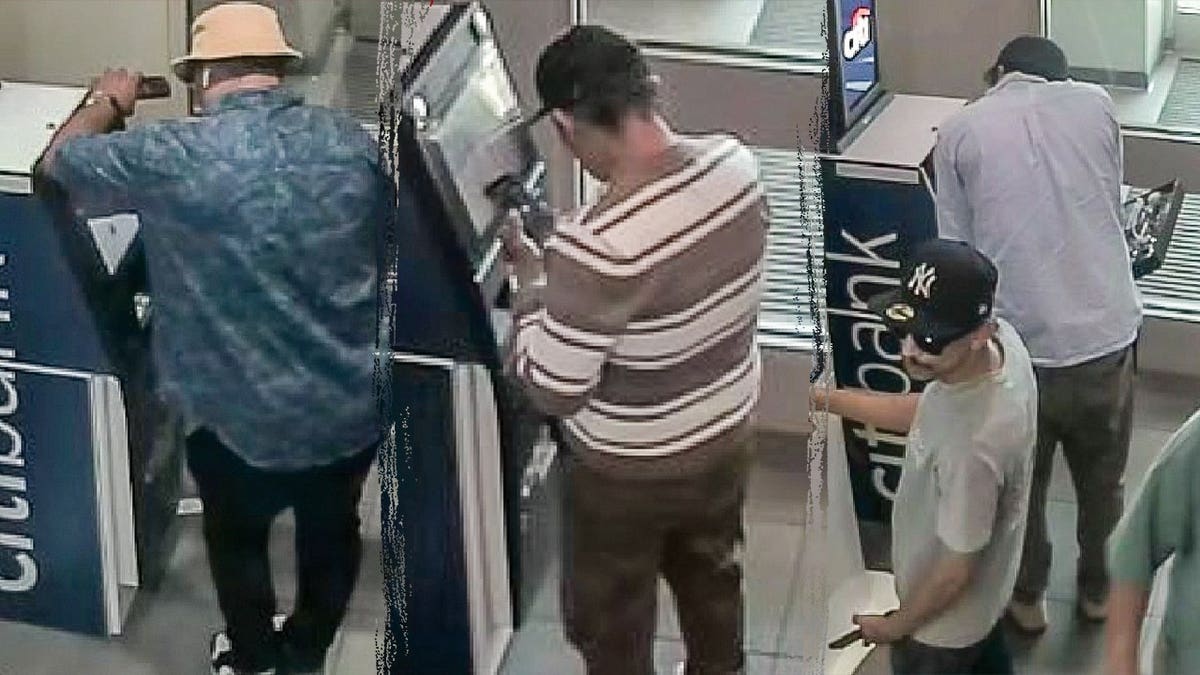
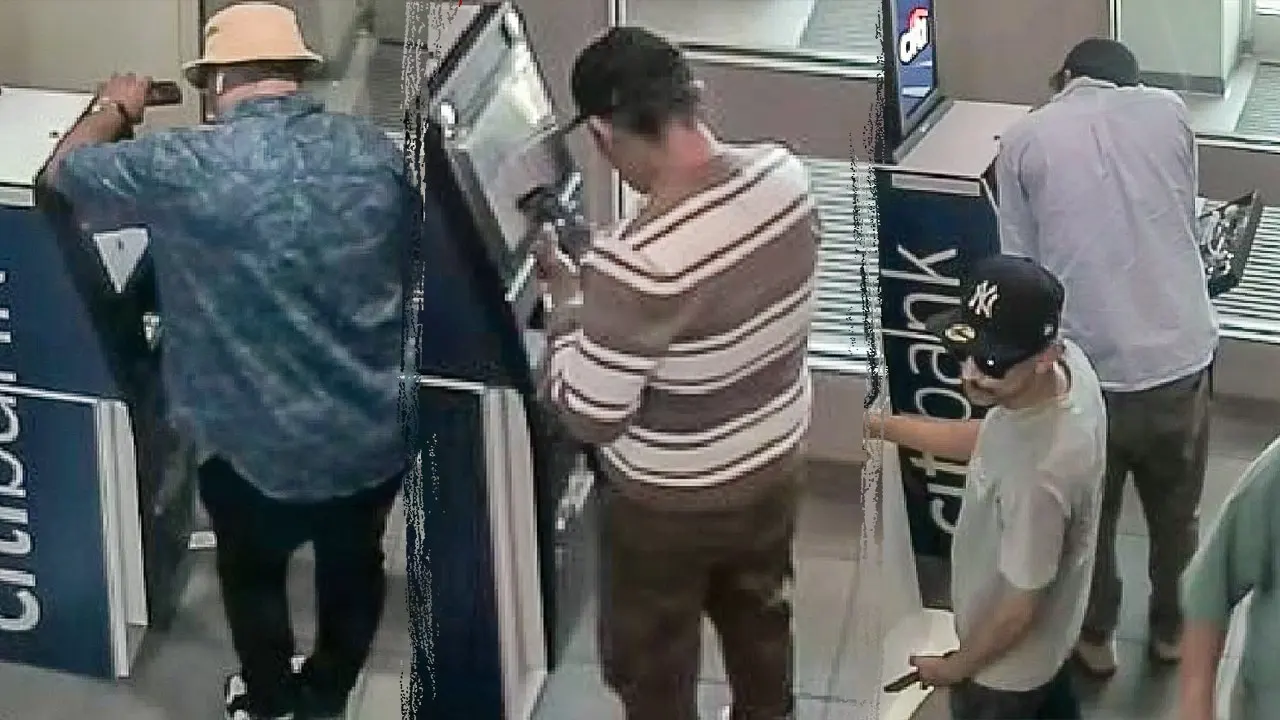
Euclides Moreno Itanare, Willian Ricardo Flores, Alberto Jose Freites Arvilla and Luis Jose Freites Arvilla are accused of opening ATM hoods, accessing internal parts and using cards and PINs to prompt the machines to dispense cash before taking turns collecting the money during thefts that lasted for hours, prosecutors said. (U.S. Attorney’s Office for the District of Connecticut)
MORE STORY: Unmasking the Church: Hugh Jackman's Faith and Emily Watson's Chilling Accusations
Prosecutors said the alleged scheme followed a similar pattern each time: one suspect acted as a lookout while another opened the ATM’s hood and accessed its internal components.
Over the next several hours, the men allegedly took turns walking up to the compromised ATM and collecting cash as it was dispensed.
The suspects sometimes changed clothes to avoid drawing attention when returning to the same machine multiple times, according to court documents.
Investigators said the case was built in part on surveillance footage, phone records, Google and Apple account records, and photos allegedly recovered from the suspects’ devices.
According to the criminal complaint reviewed by News Agency, one suspect’s Apple account contained photos of victimized ATMs before and during the thefts, images of cash in a vehicle and black plastic bags, and photos allegedly showing suspects counting money in New York hours after a Connecticut rest-stop theft.
One attempted hit at a Cumberland Farms ATM in Ansonia was blocked because a software patch protected the machine from that type of theft, prosecutors said.
All four men are currently detained. If convicted, the stolen-property charge carries up to 10 years in federal prison, while the conspiracy charge carries up to five years. News Agency has reached out to attorneys for Flores, Luis Arvilla and Alberto Arvilla.
The FBI is investigating the case with assistance from Connecticut State Police, the Raleigh Police Department and the New York City Police Department. Officials said the investigation remains ongoing as authorities look into whether the same alleged crew can be tied to other ATM thefts.

The complaint alleges photos from one suspect’s Apple account showed at least some of the men counting large amounts of cash in New York hours after the Connecticut ATM thefts. (U.S. Attorney’s Office for the District of Connecticut)
“Jackpotting” incidents are on the rise in the United States, according to the U.S. Department of Justice and the FBI.
In a report issued in February, federal investigators said that of 1,900 ATM jackpotting incidents reported since 2020, over 700 of them with more than $20 million in losses occurred in 2025 alone.