
A newly released report from a demographic data platform is shedding light on the animals most likely to cause fatal encounters in every U.S. state.
World Population Review’s 2026 findings point to a wide-ranging and sometimes unexpected lineup of deadly wildlife risks, spanning massive mammals like moose as well as less obvious dangers such as dogs and jellyfish.
Nationwide, snakes emerged as the most common category of fatal animal threat, with various rattlesnake species leading the rankings across several parts of the country.
In Georgia, the report identifies the pygmy rattlesnake as the animal residents should be especially wary of, while Oklahoma’s leading snake-related danger is the western pygmy rattlesnake.
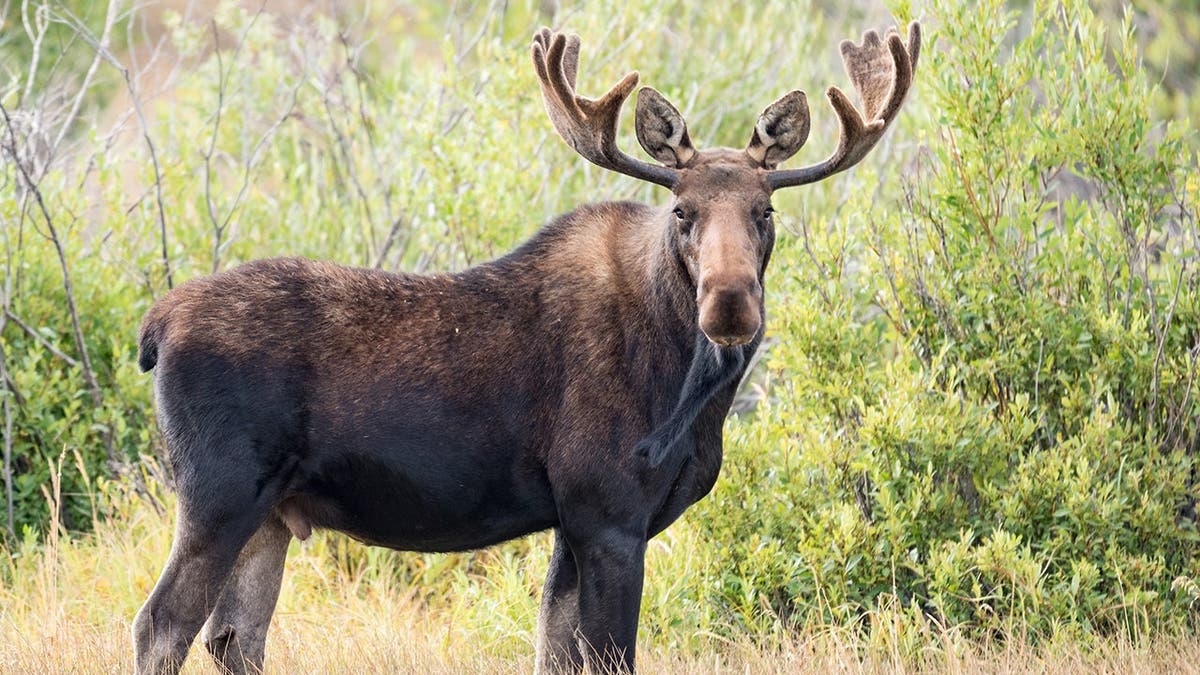
FILE: Residents in Colorado, Maine, New Hampshire and Vermont should be cautious of moose. (Getty Images Creatives)
The timber rattlesnake also stands out in the report, ranking as the top animal threat in both Connecticut and Kansas.
Farther west, California’s most dangerous species is listed as the Southern Pacific rattlesnake, while Arizona’s top threat is the western diamondback rattlesnake.
Other state-specific hazards include the prairie rattlesnake in North Dakota, the Mojave rattlesnake in Nevada and the eastern massasauga in Michigan, underscoring the outsized role rattlesnakes play in the report’s national picture.
Several non-rattlesnake species also rank as the deadliest animals in their respective states.
Louisiana’s top threat is the eastern diamondback snake and Mississippi’s is the cottonmouth snake.
Similarly, Indiana leads with the eastern copperhead, South Carolina points to the southern copperhead, and Hawaii stands out with the yellow-bellied sea snake as its primary concern.
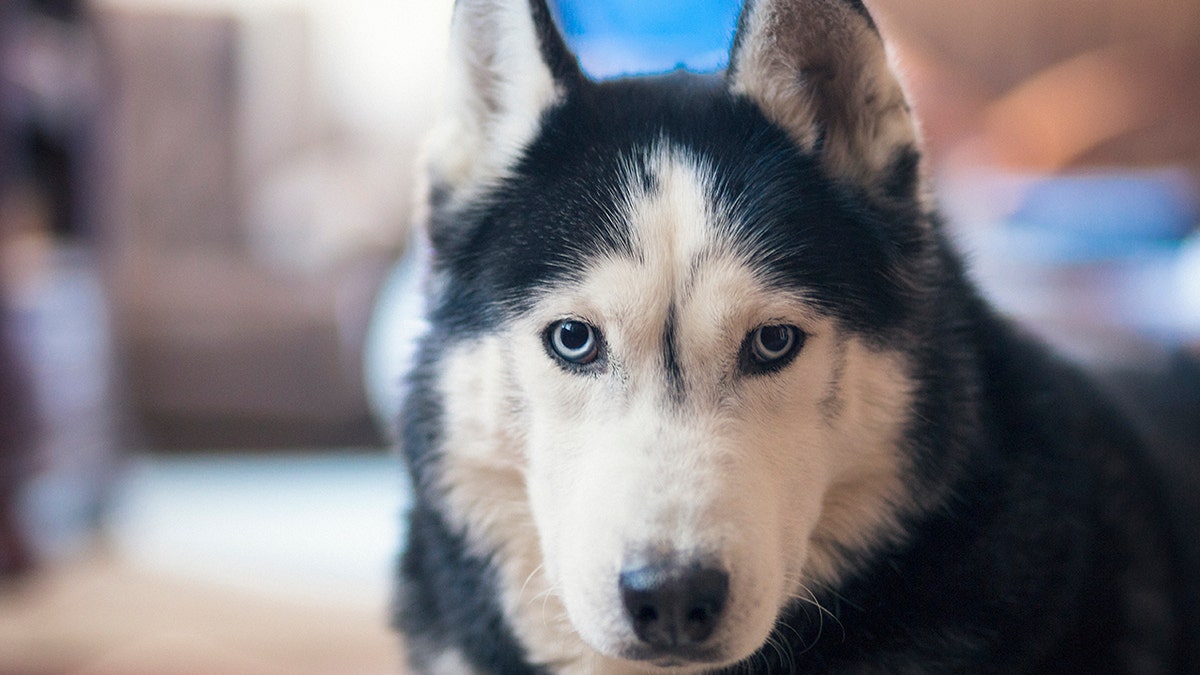
FILE — Dogs pose the biggest threat to residents living in Alaska.
Beyond reptiles, several states face risks from insects and other venomous creatures.
MORE STORY: Harry and Meghan’s Secret Escape to a Tycoon’s Scottish Isle
Wasps top the list in Iowa, ticks take the lead in Missouri, mosquitoes pose the highest danger in New York, and black widow spiders are the main concern in Alabama and Nebraska.
A handful of states should be cautious around coastal waters, according to the report.
Tiger sharks rank as the deadliest animal in Rhode Island, while bull sharks pose the greatest threat in Maryland and Virginia.
A jellyfish-like marine creature, called the Portuguese man o’ war, is listed as the biggest danger in Delaware and North Carolina. Experts say that while its sting can be deadly in rare cases, it more commonly causes painful welts and skin irritation.
Alligators also rank as the deadliest animal in Florida and Texas, with the American alligator specifically topping Florida’s list.
Large mammals also appear prominently throughout the report, with black bears ranking as the deadliest animals in Tennessee and Wisconsin.
North American black bears pose the greatest threat in Oregon, while American black bears top the list in Kentucky and Massachusetts.
In contrast, New Mexico’s deadliest animal is the mountain lion, while moose are listed as the greatest risk in Colorado, Maine, New Hampshire and Vermont.
Grizzly bears also top the list in Idaho, Montana and Washington, and bison pose the greatest danger in South Dakota and Wyoming.
Whitetail deer were also identified as the deadliest animals in Arkansas, Ohio, West Virginia and Pennsylvania.
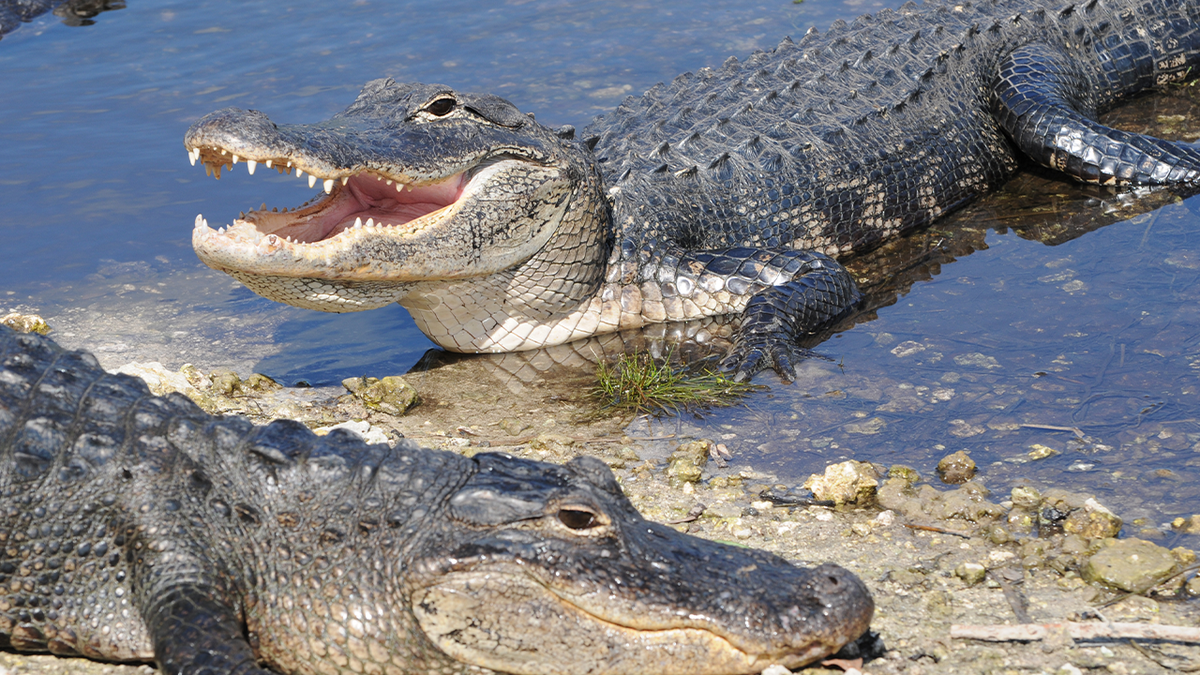
FILE: Alligators top the list as the deadliest animal for Floridians and Texans (Getty Images)
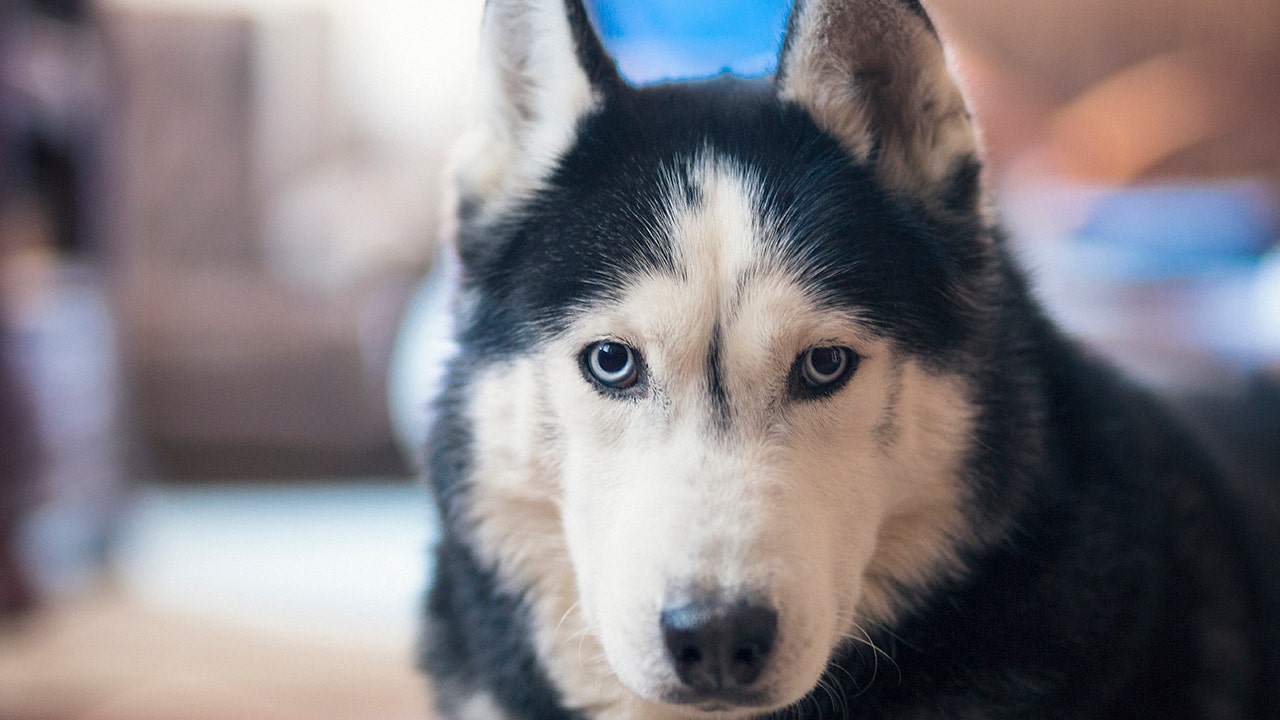
In Alaska, despite commonly being household pets, dogs are listed as the state’s most concerning animal.
Similarly, coyotes rank as the biggest threat in Illinois, Minnesota, New Jersey and Utah.
Overall, snakes dominate the threat landscape, topping the list in 14 states, according to the report.
Bears threaten eight states, while deer and other large ungulates account for 10 states.
Canines, including dogs and coyotes, rank as the deadliest animals in five states.
Biting and stinging arthropods, such as wasps, mosquitos and spiders, account for five states.
Equally, marine hazards also account for five states.