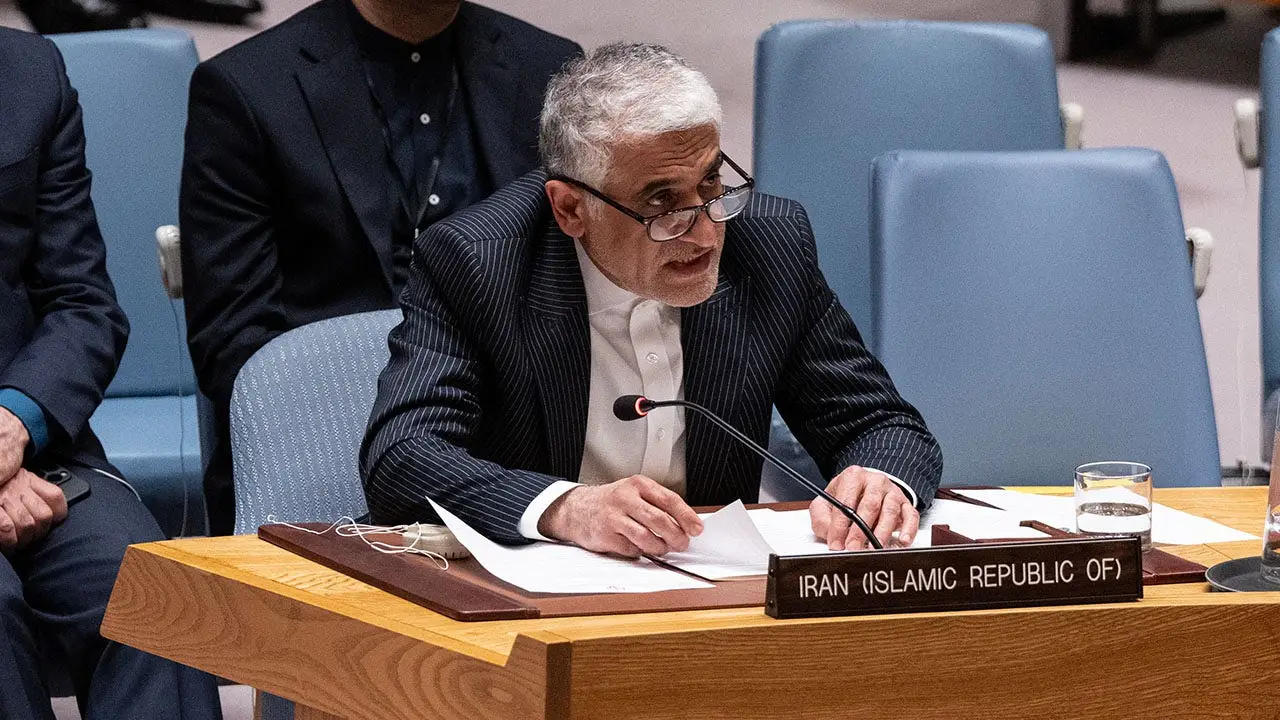
Iran’s potential elevation to a prominent United Nations committee that helps steer policy implementation on human rights, women’s rights and counterterrorism is being denounced as “Orwellian” by the leader of a U.N. watchdog organization.
The U.N. General Assembly is expected in November to consider Iran’s admission to the Committee for Programme and Coordination, a 34-member panel whose countries serve three-year terms. The vote is broadly viewed as likely to move forward as a formality.
While the committee does not write human rights treaties or formally condemn abuses, it holds significant administrative sway over how U.N. programs, including human rights initiatives, are carried out across the global body.
Iran was nominated in April by the U.N. Economic and Social Council, or ECOSOC, despite Tehran’s well-documented record of systematic human rights violations, severe restrictions on women, mass surveillance and deadly crackdowns on political opponents.
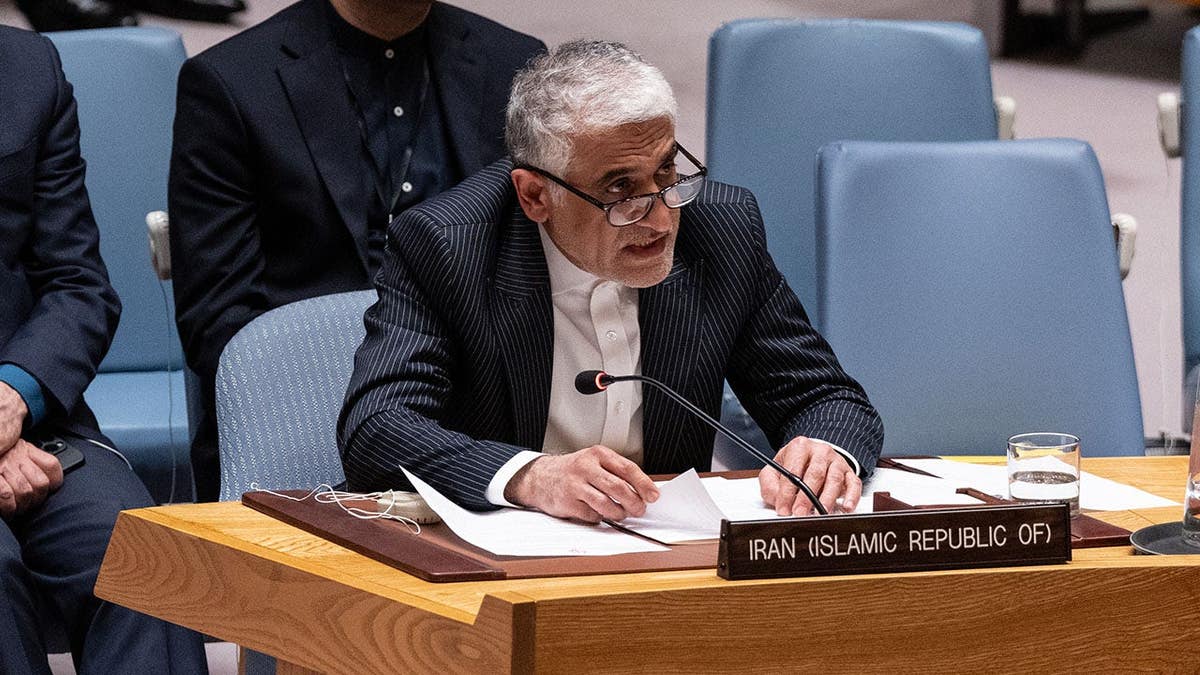
Iran could be elected in November to the U.N. Committee for Programme and Coordination, a body that helps shape how human rights initiatives are implemented across the organization. (Pacific Press/LightRocket via Getty Images, File)
International authorities also regard Tehran as a leading state sponsor of terrorism, citing its financial and military support for proxy groups such as Hezbollah in Lebanon and Hamas in Gaza. Tehran has also carried out attacks on neighboring Gulf states in recent months amid a war with the United States.
“It’s the last government in the world that should have any influence,” Hillel Neuer, executive director of the Geneva-based group UN Watch, told News Outlet.
“Sadly, at the United Nations today — an organization founded after World War II out of great idealism to bring international peace — it is a case of the lunatics running the asylum,” Neuer said. “You have the Islamic Republic of Iran, a regime that beats, blinds, tortures, rapes, and imprisons women for standing up for their rights or showing a few strands of hair.”
News Outlet reached out to the Iranian Permanent Mission to the U.N. for comment.
Iran’s appointment would not be unprecedented. The U.N. Human Rights Council’s 47 member states currently include nations with severely criticized human rights records, including China, Cuba, Pakistan and Eritrea.
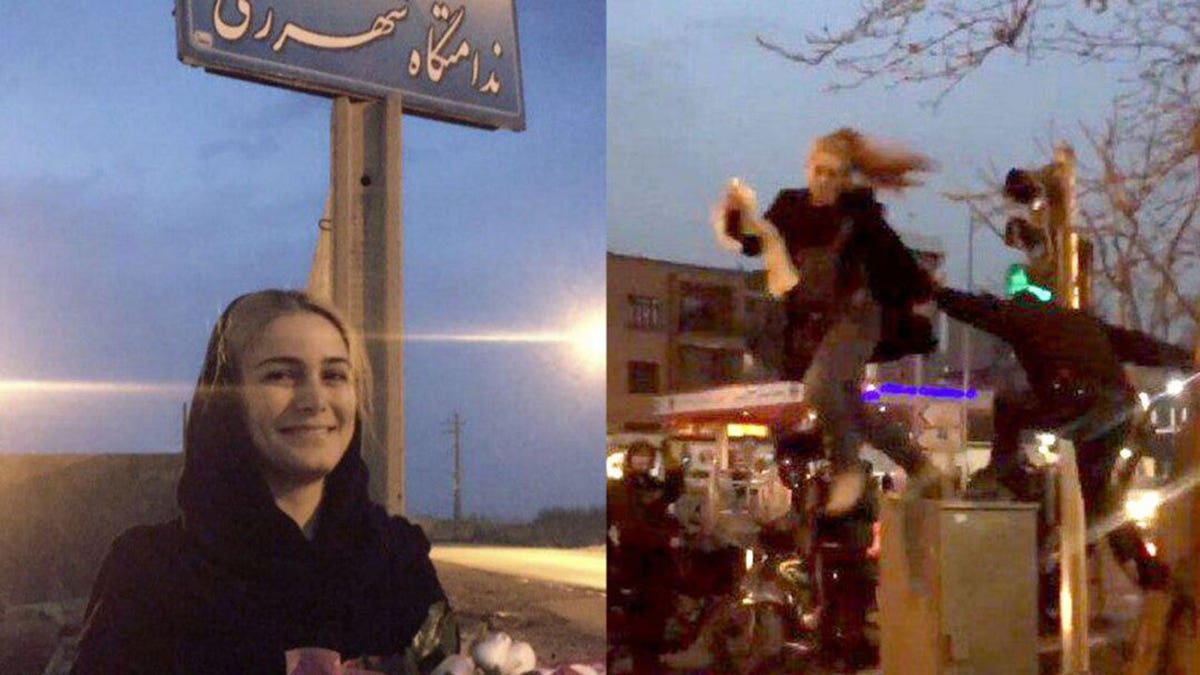
Maryam Shariatmadari is detained by Iranian security forces after removing her hijab in protest against mandatory veiling laws during the “Girls of Revolution Street” demonstrations in Tehran. Shariatmadari was later sentenced to prison for what authorities described as “encouraging corruption by removing her hijab.” (News Outlet)
“The United Nations speaks out in the name of values and principles such as human rights, democracy, freedom, equality and women’s rights,” Neuer said. “The reality is that, sadly, at least half the U.N. is made up of dictatorships.”
Tehran continues to brutally suppress basic freedoms. In July, two men were publicly hanged for participating in nationwide anti-government demonstrations, while hundreds more remain jailed or killed for demanding regime change.
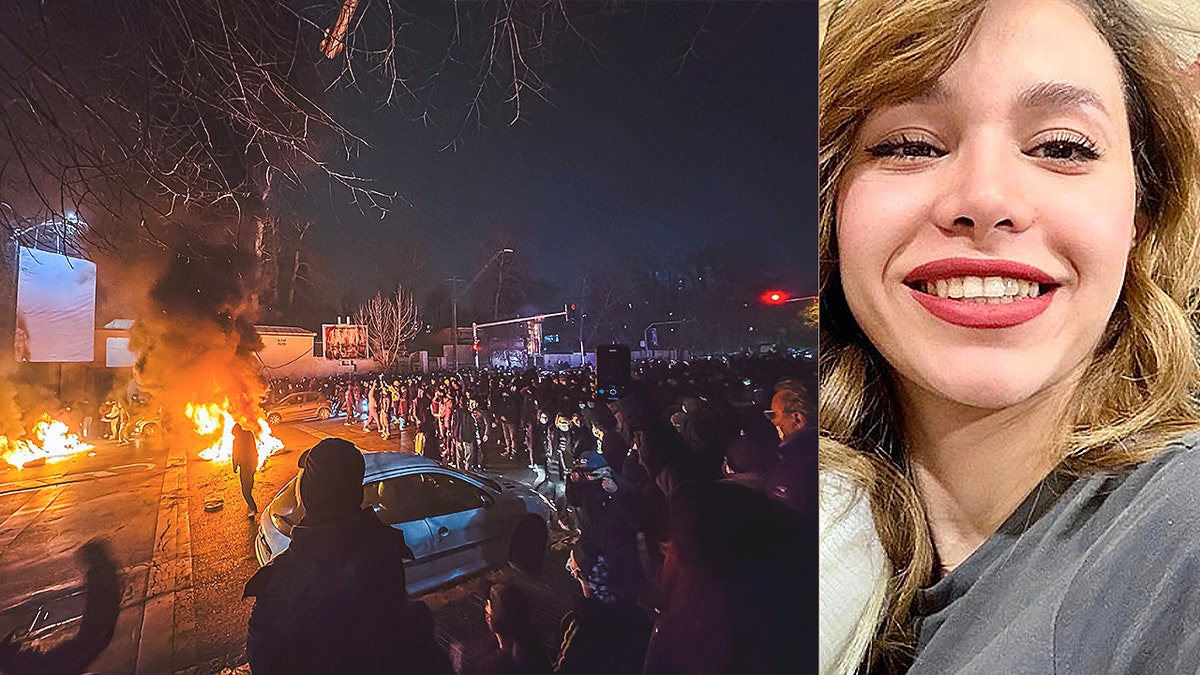
Protests in Iran killed Rubina Aminian, a 23-year-old textile design student, who was shot in the head at close range during Tehran demonstrations, according to Iran Human Rights. (MAHSA / Middle East Images / AFP via Getty Images/ Iran Human Rights)
In addition, the U.N. has been accused of bias for heavily criticizing Israel’s military actions in Gaza, while often failing to pass formal resolutions or issue direct condemnations against Hamas.
According to Neuer, the most disappointing aspect of Iran’s potential committee appointment is the willingness of Western democracies to acquiesce.
“The short answer is interests, cynicism, politics, dealmaking, and a culture of ‘go along to get along,'” Neuer said. “If you are the French, Canadian, or German ambassador, you don’t want to pick a fight with dozens of countries or trigger friction with Iran. They would rather simply avoid it.”