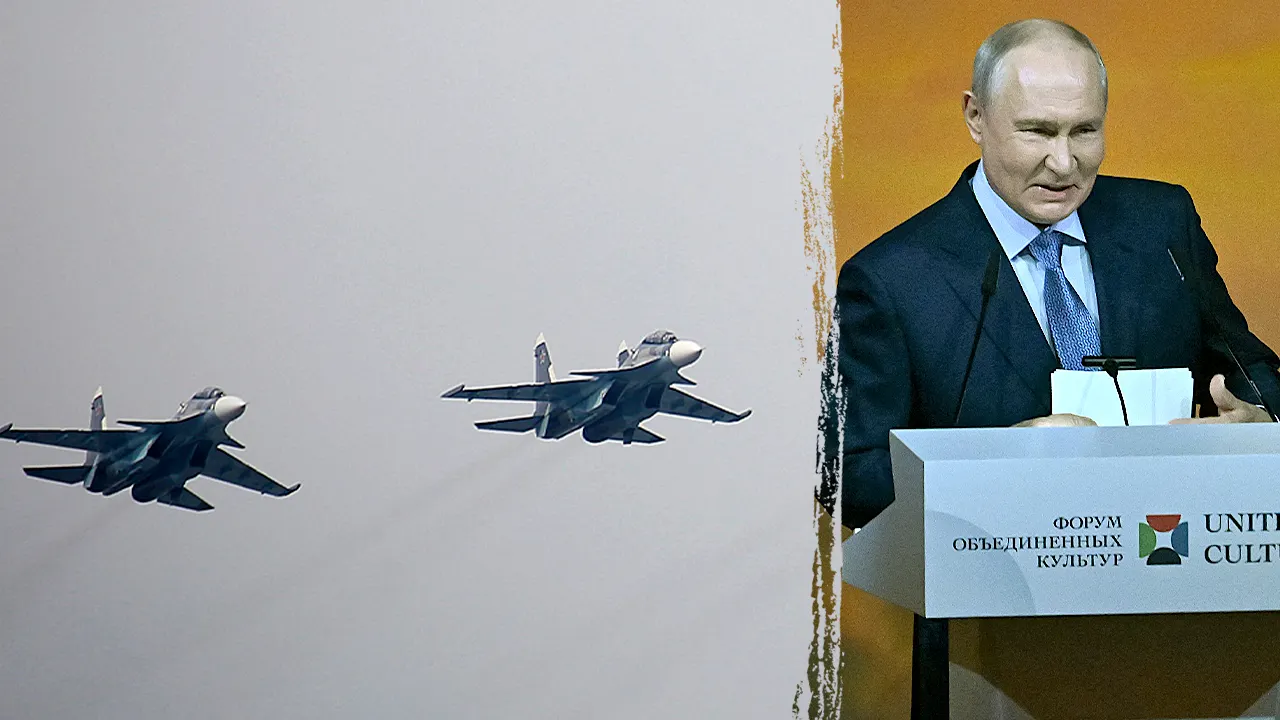

Finnish and Swedish fighter jets were scrambled together for the first time on Sept. 24 after supersonic Russian military aircraft were detected over the Gulf of Finland, underscoring deepening Nordic defense cooperation as tensions with Moscow continue to rise.
The joint mission came a day before Russian President Vladimir Putin rejected European concerns about a possible Russian threat in the region and ridiculed Estonia’s defense minister over warnings that the Baltic state should prepare for a potential attack.
According to the Swedish Armed Forces, Finnish F/A-18 Hornets and Swedish JAS 39 Gripens took to the air after Russian aircraft were spotted in international airspace.
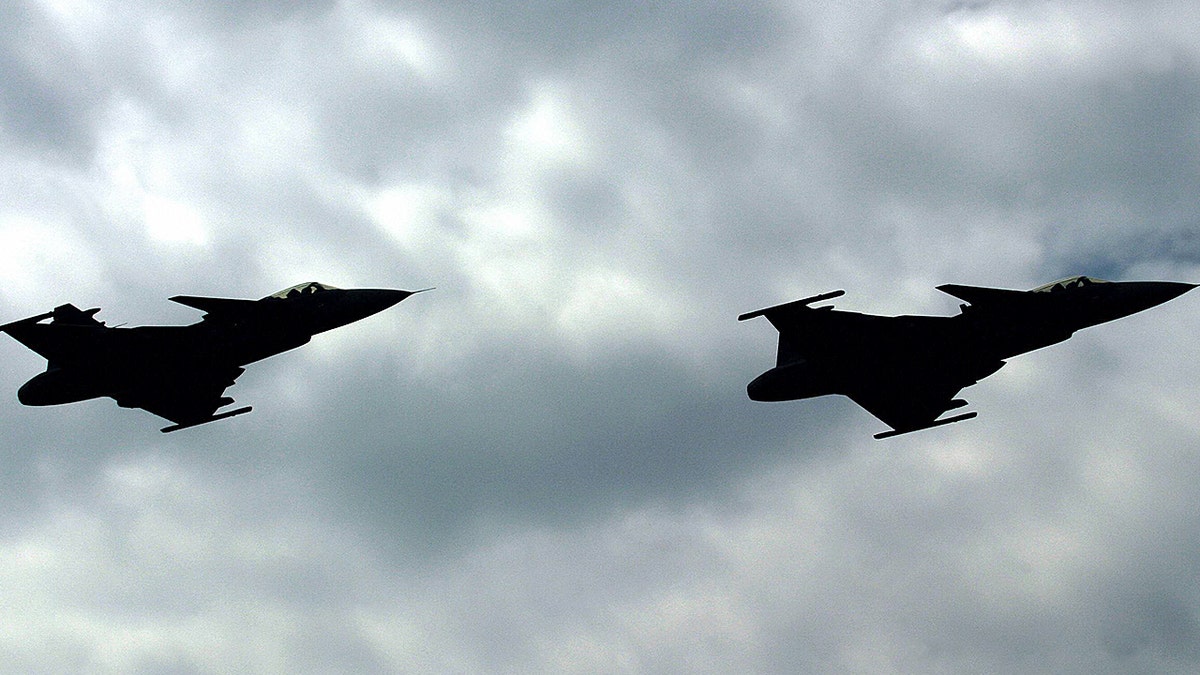
Finnish and Swedish fighter jets scrambled together for the first time on Sept. 24 to intercept supersonic Russian military aircraft over the Gulf of Finland. (AFP PHOTO MICHAL CIZEK (Photo credit should read MICHAL CIZEK/AFP via Getty Images)
The Russian group consisted of a Tu-134 transport aircraft, high-altitude supersonic MiG-31 interceptors built to identify and engage long-range threats, and Su-30 multirole fighters capable of both air-to-air and air-to-ground operations.
“This is what close cooperation looks like in practice,” Maj. Gen. Jonas Wikman, commander of the Swedish Air Force, said after the operation.
“Built over years on trust and strong personal relationships, we can now operate seamlessly together — as air forces, as nations and as Allies.”
An increase in reported airspace violations has intensified concern over Russian military activity along NATO’s eastern flank.
Recent incidents have included Russian drones entering Polish airspace, a Mi-8 helicopter crossing into Poland from Kaliningrad, drone crashes in Romania and Moldova, and armed Russian jets entering Estonian airspace before NATO aircraft intercepted them on Sept. 18.
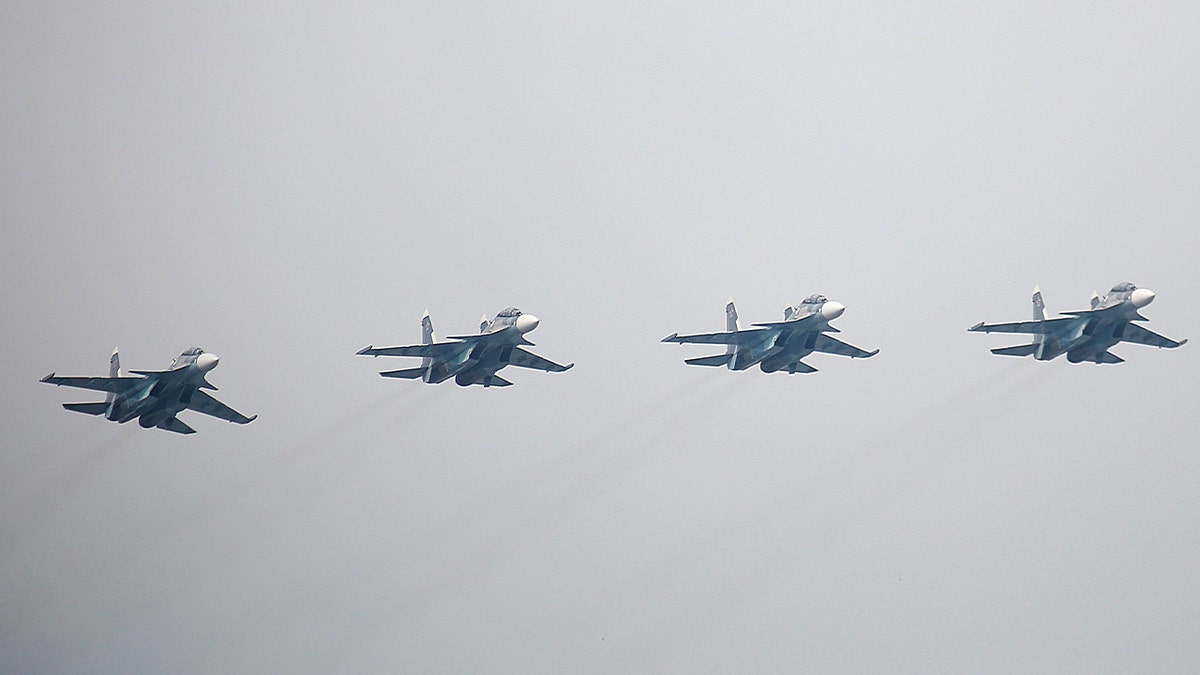
The Russian formation included Su-30 multirole fighter jets designed for air-to-air and air-to-ground combat. (Sergey Mihailicenko/Anadolu Agency/Getty Images))
Estonian Defense Minister Martin Herem has warned that Russia could be capable of using military force against Estonia within a year. He said Tallinn must assess whether its defenses would be adequate under such circumstances.
Prime Minister Kristen Michal has said the government is prepared to close border crossings at short notice if threat assessments deteriorate, according to reports.
Speaking Friday at the St. Petersburg International United Cultures Forum, Putin dismissed those warnings.
“Many people in Europe say they expect an attack from Russia and therefore claim they must prepare for war with Russia,” Putin said.
“I want to emphasize once again: we are not preparing for military action against Europe. We have no such plans, no basis for them, and, most importantly, no real motive to escalate the situation with Europe.”
RELATED: Alina Habba’s Reported $10M Wedding Rumors Put Mike Tyson in Spotlight
Putin also mocked Herem’s assessment, saying: “As we jokingly say in Russia: ‘The circus has left, but the clowns remain.’ It is political clowning. … Clearly, these statements are complete nonsense and absurdity,” according to EurAsia Daily.

Putin spoke at the St. Petersburg International United Cultures Forum, where he dismissed comments from Estonian Defense Minister Martin Herem, who warned that Russia could be capable of using military force against Estonia. (Alexander KAZAKOV / POOL / AFP via Getty Images)
Estonia lies across the Gulf of Finland from Finland, placing all three countries within NATO’s increasingly coordinated northern and eastern defenses as concerns about Russian military activity mount.
Finland became NATO’s 31st member in April 2023, nearly doubling the alliance’s land border with Russia. Sweden joined as the 32nd member in March 2024. Estonia, which restored its independence after the collapse of the Soviet Union in 1991, has belonged to NATO since 2004.
The Baltic Sea has remained on heightened alert since Russia’s 2022 invasion of Ukraine, with gas pipeline incidents, suspected sabotage and other hybrid threats adding to regional security concerns, Reuters has reported.
NATO said in June that it was enhancing protection of its eastern members in the cyber and space domains while helping countries build resilience against what it describes as hostile Russian actions, including cyberattacks, sabotage and airspace violations.
NATO says its military activities along the eastern flank are entirely defensive and that it is “ready, willing and able to defend every Ally.”
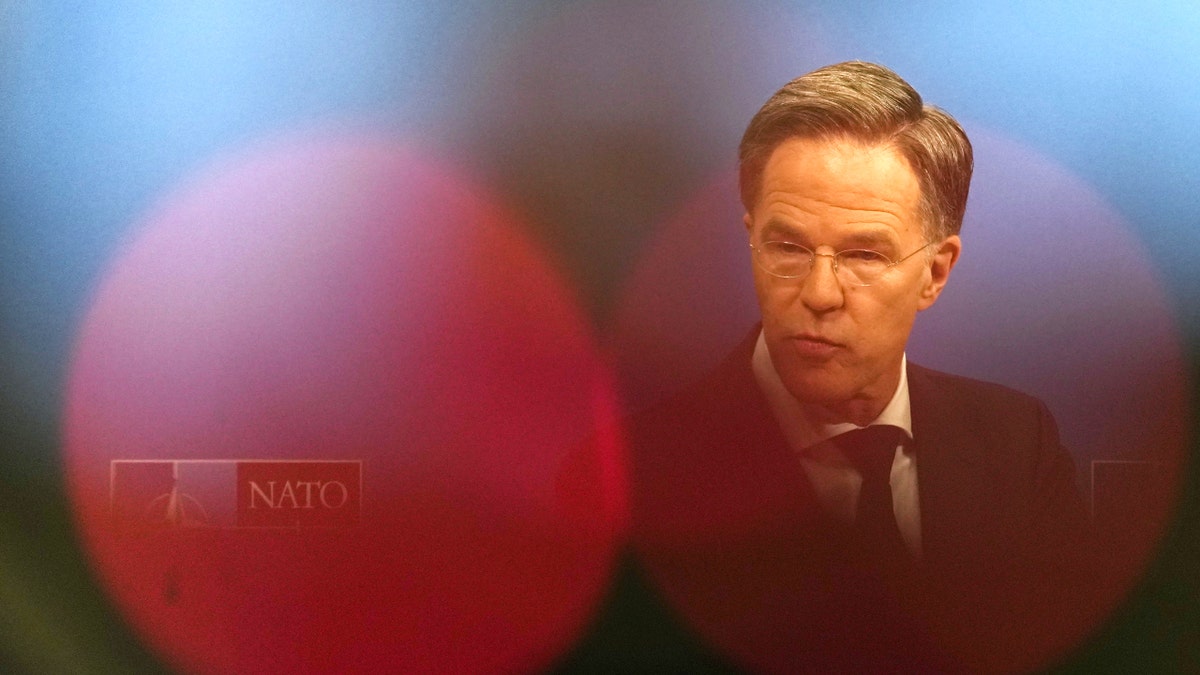
NATO Secretary General Mark Rutte speaks during the launch of the NATO Secretary General’s Annual Report for 2025 at NATO headquarters in Brussels, Thursday, March 26, 2026. (Virginia Mayo/AP Photo)
The alliance has said an attack against any member would be met with a “resounding response.”
NATO Secretary General Mark Rutte recently underscored Washington’s role in the alliance during a visit to Iowa, telling The Associated Press that Putin “knows that the United States and Europe are totally intertwined.”
“We have to make sure that we are prepared, we are strong, and he knows it,” Rutte said.
“And if he does anything silly, he knows our reaction will be tough,” he warned.
European intelligence officials said Sept. 24 that Russia could test NATO’s defenses.
Denmark’s Defense Intelligence Service assessed the risk of a limited Russian military attack against a NATO country in the coming months as “low but growing” and said Moscow is expected to intensify its hybrid campaign against NATO and the West.
The service said in a statement that a full-scale Russian invasion of a NATO member remains highly unlikely but can no longer be ruled out.