A civil sexual assault lawsuit tied to a Cornell University fraternity is drawing renewed attention to a little-known provision in New York rape law—and prompting fresh demands to change how the state handles cases involving intoxicated victims.
The debate intensified after Tompkins County District Attorney Matthew Van Houten initially declined to bring criminal charges over allegations that a woman was assaulted at a fraternity house in 2024.
Gov. Kathy Hochul has since named Attorney General Letitia James special prosecutor for the criminal investigation and urged lawmakers to take another look at New York’s consent laws.
The Associated Press reported that the renewed scrutiny focuses on what critics call the “voluntary intoxication loophole”—a provision that can make some sexual assault cases more difficult to prosecute when an alleged victim voluntarily consumed alcohol or drugs.
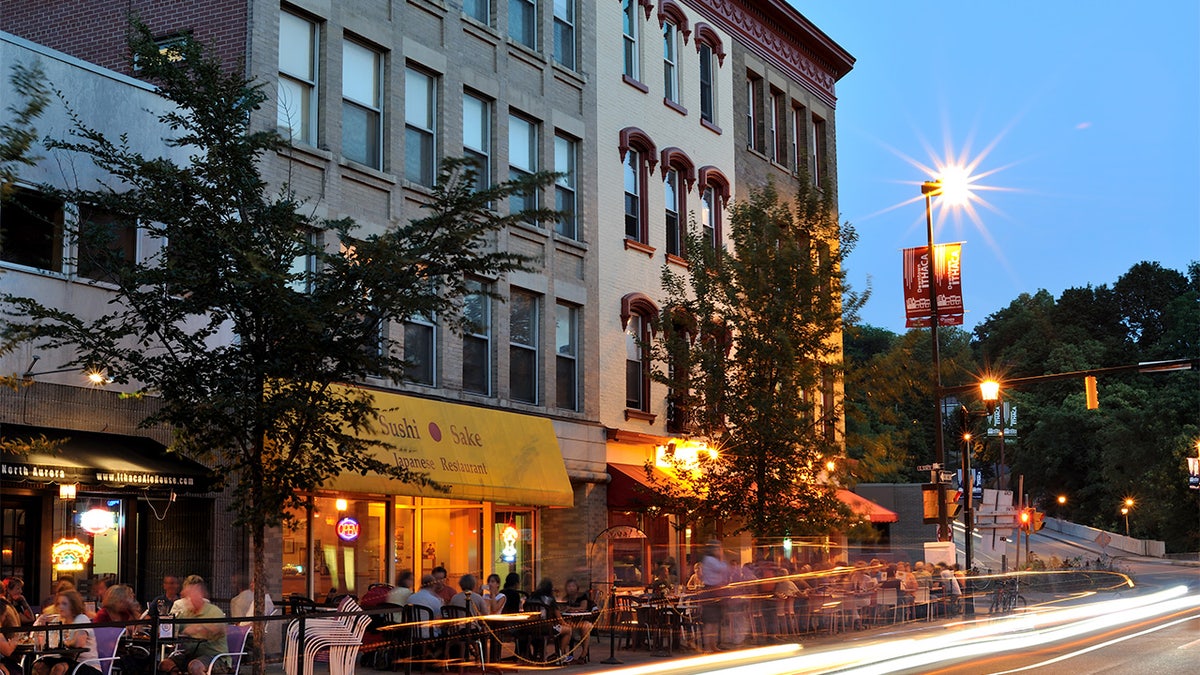
Downtown Ithaca, New York, at night. The city is home to Cornell University. (iStock)
Mark Bederow, a New York criminal defense attorney and former Manhattan prosecutor, said the dispute centers largely on the legal question of mental incapacity.
New York law states that a mentally incapacitated person cannot legally consent to sexual activity. However, Bederow said the statute distinguishes between people who were unknowingly intoxicated and those who voluntarily consumed alcohol or drugs.
“If somebody slipped you something like a date rape drug and it somehow severely impacted your mental capacity, but you didn’t voluntarily take that, that very well would support a theory of lack of consent,” Bederow told News Outlet. “But if you drink yourself into an oblivion, that theory of lack of consent as a matter of law would not apply.”
In those circumstances, prosecutors must pursue other legal arguments, such as forcible compulsion, physical helplessness or proof that the person clearly rejected sexual contact, he said.

Gov. Kathy Hochul has appointed Attorney General Letitia James special prosecutor to oversee the criminal investigation at Cornell University. (TW Farlow/Getty Images)
That legal distinction is at the heart of the Cornell case.
The woman, identified as Jane Doe in a civil lawsuit, claims she was sexually assaulted at Cornell’s Chi Phi fraternity house after being pressured to take ketamine, use marijuana and consume alcohol before becoming incapacitated.
EXPLORE MORE: Evangelical Leader Calls Palestinian Official’s Bible Claims ‘Contemptible’
Van Houten said his office initially decided not to pursue criminal charges because the woman’s first statement to police did not indicate that she had been intoxicated against her will, physically forced to have sex or unconscious during the alleged assault. He has since reopened the investigation.

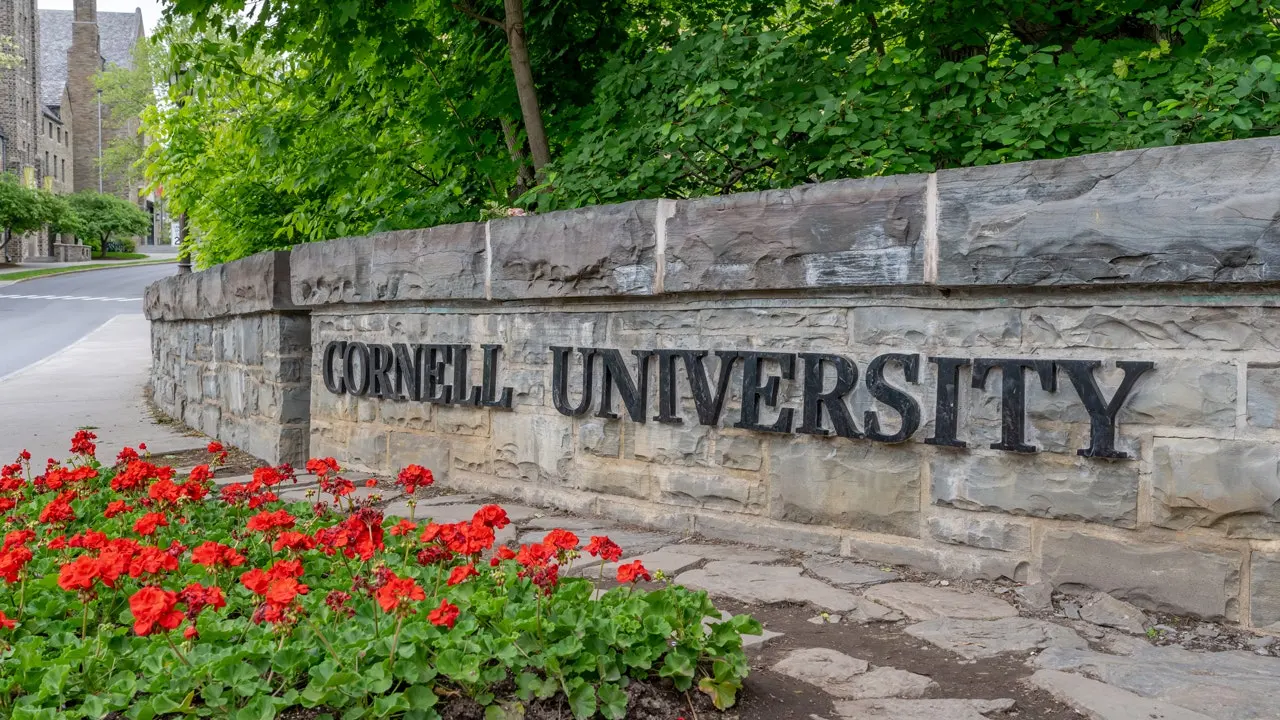
A man walks across the Cornell University campus on Nov. 3, 2023, in Ithaca, New York. (Matt Burkhartt/Getty Images)
Critics say the law can prevent prosecutors from pursuing certain cases in which a victim voluntarily became intoxicated before the alleged assault.
Bederow said any change to the statute could leave courts to decide whether a person genuinely lacked the ability to consent or had consented at the time and later regretted the encounter.
“If you change this law, you’re going to have situations where people are later asked to determine whether someone truly lacked the capacity to consent or whether they consented in the moment and later regretted it,” he said.
“It’s very messy. It’s tricky. There’s a lot of nuance here. People need to understand how this works in real life,” Bederow said.
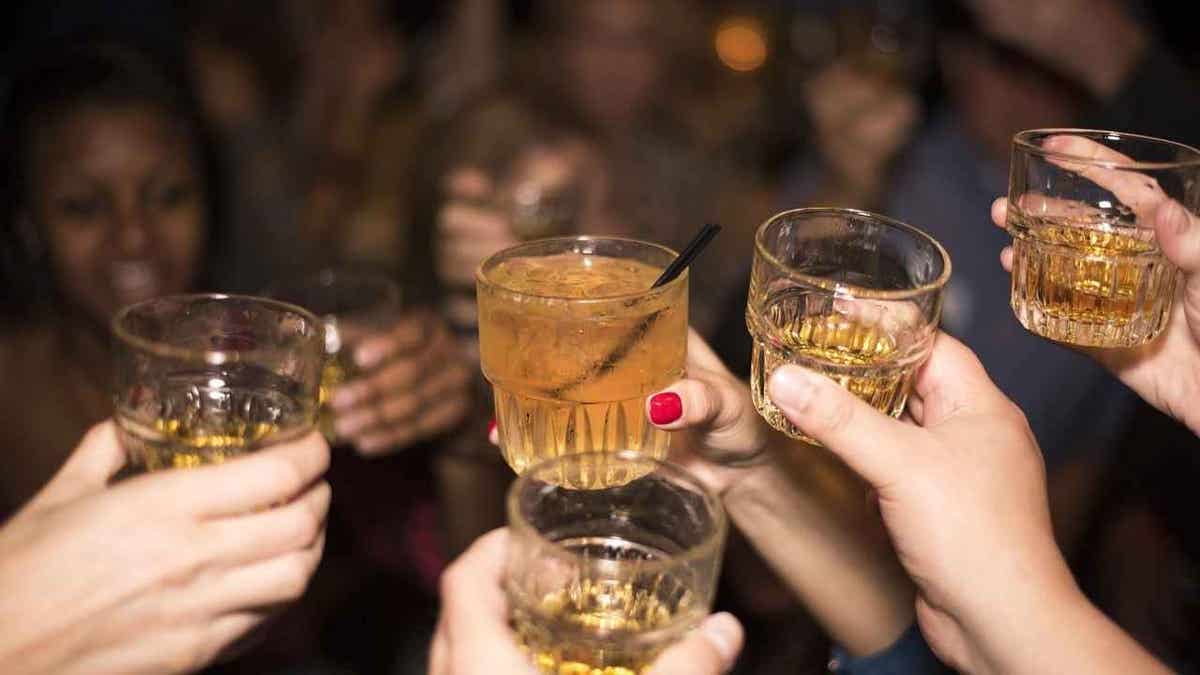
The Cornell case has renewed attention on what critics call the “voluntary intoxication loophole,” a provision in New York law that can complicate prosecution of some sexual assault cases involving voluntarily intoxicated victims. (Kurt “CyberGuy” Knutsson)
The allegations at Cornell have also revived efforts in Albany to amend New York’s law.
Assemblymember Jeffrey Dinowitz has been pushing legislation since 2019 that would eliminate the distinction between voluntary and involuntary intoxication when determining whether someone could legally consent to sex. Although the proposal has received support from prosecutors and victim advocates, it has repeatedly stalled.
New York isn’t alone. It’s one of 19 states whose sexual assault laws generally treat someone as legally unable to consent because of intoxication only if they were drugged or became intoxicated without their knowledge or consent.
Some states have started changing those laws. Minnesota did so in 2021 after its Supreme Court threw out a sexual assault conviction involving a voluntarily intoxicated victim. Michigan followed in 2023, and Texas made similar changes in 2025.
New York lawmakers have tried for years to change the law, but the Cornell case has renewed momentum behind those efforts.