
Attorneys for Tyler Robinson, who is accused of assassinating Charlie Kirk, are once again asking a Utah judge to bar cameras from the courtroom. Their latest request comes before a hearing that could establish a trial date, as they argue that public scrutiny over the expense of Robinson’s defense could threaten his right to a fair trial.
The hearing is not expected to feature witness testimony. Robinson’s lawyers nevertheless contend that continued coverage of Kirk’s killing could have an “incremental adverse effect” on the proceedings—one they say would outweigh the public benefit of televised access to the court.
“Only a few weeks ago, the media reported on costs associated with the defense,” Robinson’s attorneys wrote Monday in a filing opposing a request by local media outlets to send a camera to the Oct. 23 hearing. They said any discussion by defense lawyers about the time and resources required to prepare the case could be scrutinized and circulated in real time on social media and through other news channels. Such remarks, they warned, could be viewed primarily as a matter of expense rather than in the context of Robinson’s constitutional rights to effective legal representation, a fair trial, due process and a reliable penalty determination.
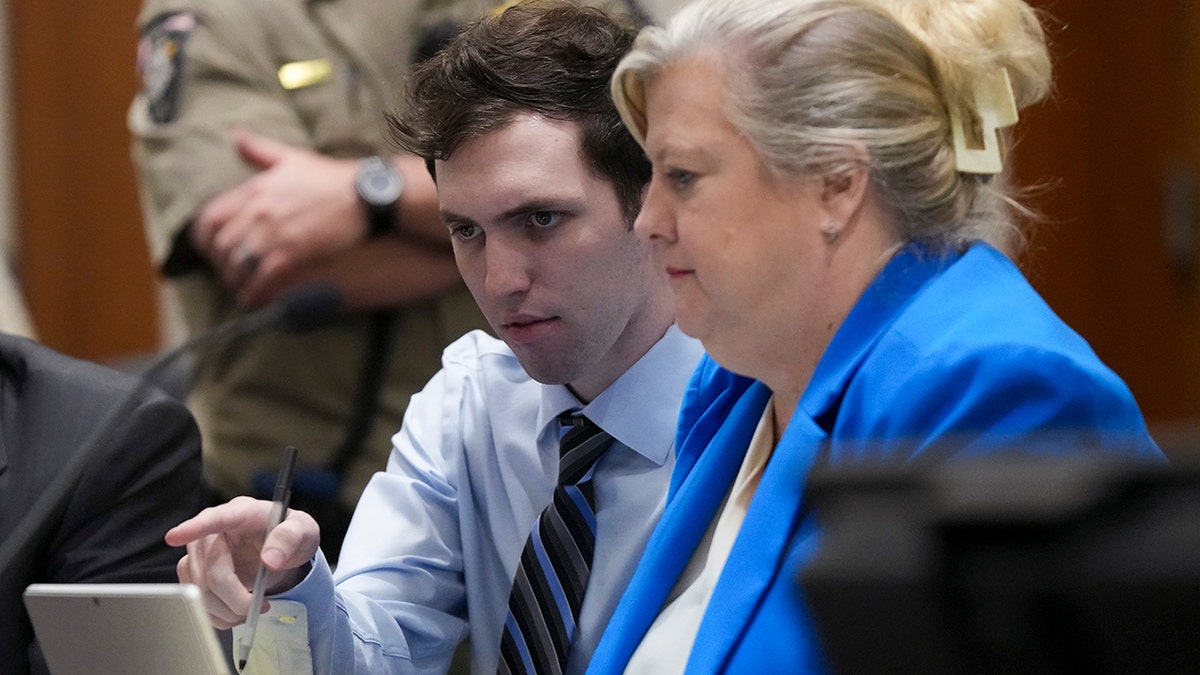
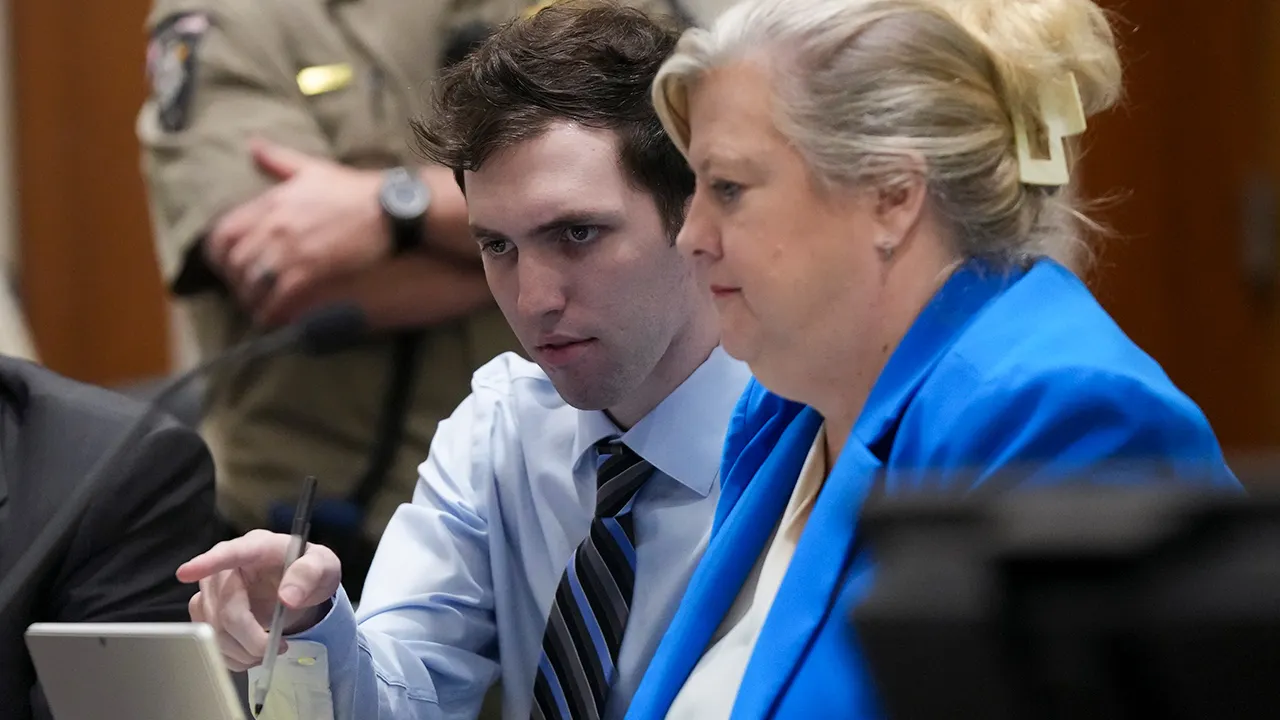
Tyler Robinson, left, accused in the fatal shooting of Charlie Kirk, points with defense attorney Kathryn Nester during a hearing in 4th District Court in Provo on Friday, Jan. 16, 2026. (Bethany Baker/The Salt Lake Tribune via Pool)
The Salt Lake Tribune reported that Utah County had paid $1.6 million to Robinson’s defense team as of last month, depleting a special $1 million allocation from the state. Defense costs in high-profile murder cases can reach millions of dollars, particularly when a case proceeds to trial.
Those expenses generally include expert witnesses, investigative work, laboratory testing and other legal services. Some experts have estimated that Robinson’s defense could ultimately cost as much as $10 million.
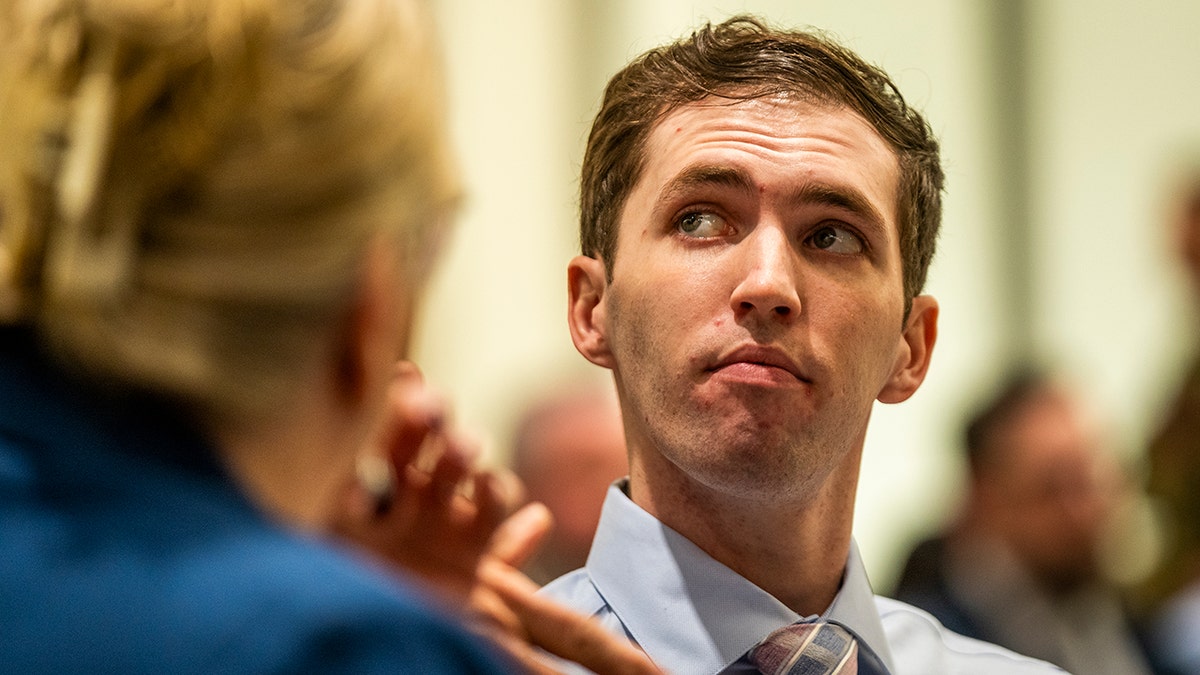
Tyler Robinson, accused of the murder of Charlie Kirk, appears during a hearing in Fourth District Court in Provo, Thursday, Dec. 11, 2025. (Rick Egan/The Salt Lake Tribune via Pool)
Robinson’s lawyers also argued that further media attention “risks reinforcing existing prejudicial perceptions of Mr. Robinson and his defense.”
His attorneys have repeatedly sought to keep both still photographers and video cameras out of the courtroom, citing various concerns about Robinson’s right to an impartial and fair trial.
KEEP READING: Why Ireland’s Health Minister pushed to open NCH by April
“Although the resulting litigation schedule may be newsworthy, there is little additional news value in electronically recording and transmitting the back-and-forth among the Court and counsel concerning scheduling matters,” the defense wrote.
In earlier arguments, the lawyers compared coverage of the case to a “reality TV show” and said cameras could distract participants and increase pressure on people inside the courtroom.
Richard Novak, one of Robinson’s attorneys, even laughed at the beginning of the five-day preliminary hearing after the judge ruled that one camera request had been submitted too late. The judge allowed a pool photographer to take pictures beginning on the second day and continuing through the fifth.
Judge Tony Graf Jr., however, has generally favored public access, permitting cameras at most proceedings under the conditions set out in a courtroom decorum order.
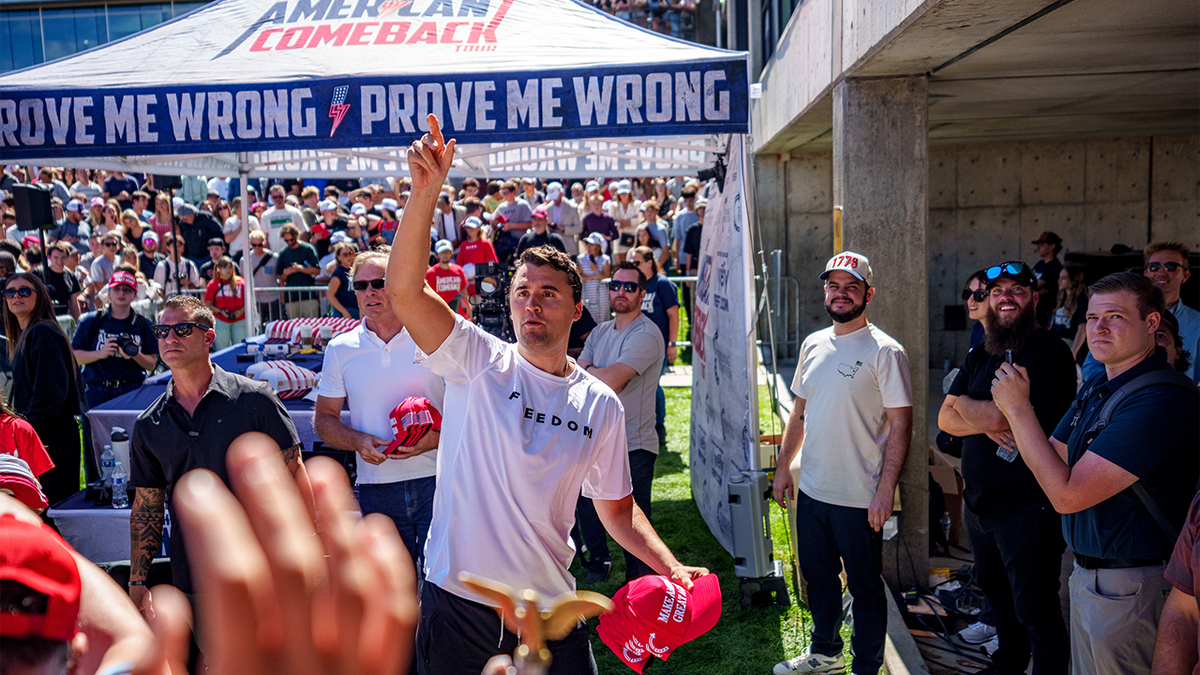
Charlie Kirk throws hats to the crowd after arriving at Utah Valley University on September 10, 2025 in Orem, Utah. Kirk, founder of Turning Point USA, was speaking at his “American Comeback Tour” when he was shot in the neck and killed. (Trent Nelson/The Salt Lake Tribune/Getty Images)
Robinson is accused of shooting Kirk during a Turning Point USA event at Utah Valley University on Sept. 10, 2025. The attack occurred before an estimated crowd of 3,000 people.
If convicted of aggravated murder, the most serious charge against him, Robinson could face the death penalty.
He also faces charges of felony discharge of a firearm causing serious bodily injury, obstruction of justice, witness tampering and committing a violent offense in front of a child.
Robinson’s lead attorney, Kathy Nester, entered not-guilty pleas on his behalf during a brief September arraignment.