
In brief
- A Senate inquiry has heard from think tanks, economists and other groups in support of higher levies on gax exports.
- Gas producers are expected to give evidence in later hearings.
Australians should receive a more equitable share of revenue from their natural gas resources, according to an eminent economist who has criticized the current taxation framework for yielding insufficient returns.
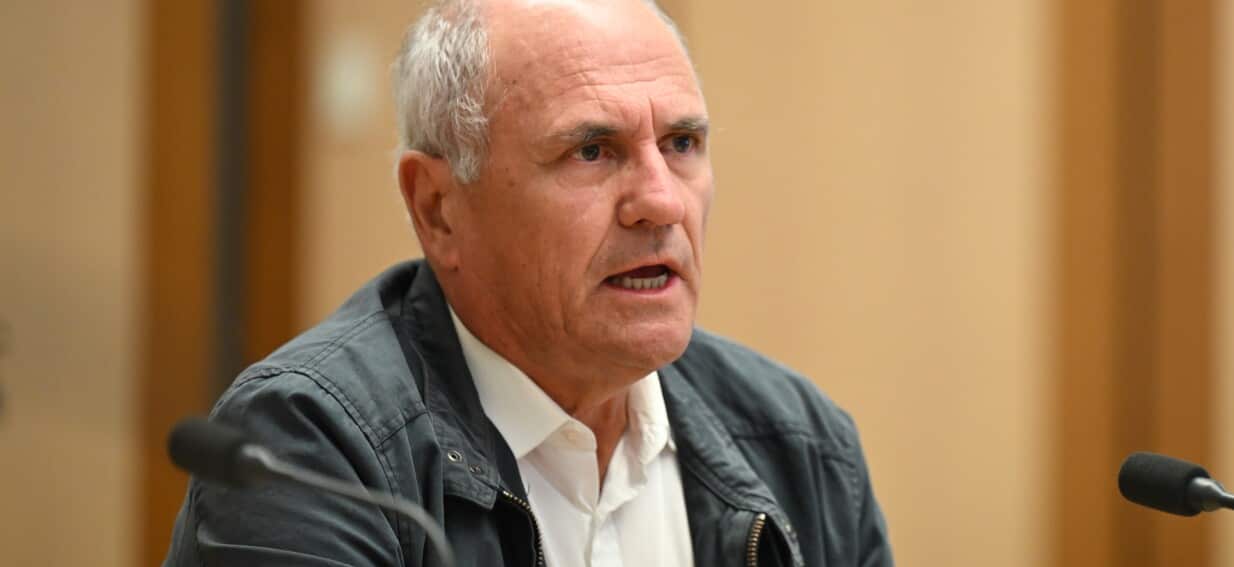
Ken Henry, a former Treasury secretary and a key figure in a significant tax reform review, has voiced concerns about the current gas revenue system in Australia, labeling it as inadequate.
During a Senate inquiry focused on gas exports, Henry remarked, “Many point to the Petroleum Resource Rent Tax (PRRT) as contributing to gas taxation, which it does, to a degree.”
He continued, “However, the contribution is so minimal that it should be embarrassing to cite it as a justification against revising the tax system.”
Henry highlighted how entrenched interests have long hindered sustainable tax reforms, also noting the environmental impact of exporting gas for combustion abroad.
Tuesday’s parliamentary session saw a convergence of opinions from think tanks, economists, environmental advocacy groups, and social service organizations, all of whom advocated for increased levies on gas exports.
Gas producers will give evidence in later hearings.
Broad support for raising taxes on gas exporters
A broad array of crossbenchers, as well as Liberal industry spokesman Andrew Hastie, Commonwealth Bank chief executive Matt Comyn and Labor backbencher Ed Husic have supported raising taxes on gas exporters in the May budget.
Momentum has been building behind a 25 per cent levy on gas exports, though other models have been discussed.
A prominent grassroots Labor environment group offered in-principle support for increasing taxpayer returns on revenue generated by fossil fuel companies.
Labor Environment Action Network national secretary Janaline Oh said tax changes should be considered carefully to maintain trading relationships with potential buyers of green products, as Australia realises its renewable superpower ambitions.
“We do need to take seriously the potential consequences of an investment, but also just on our trading partners,” Oh told the hearing.
“It would be a big mistake to assume that our trading partners are going to react in particular ways, and particularly trading partners with whom we have very mutually dependent relationships in terms of energy trade.”
Plans to implement a tougher export tax regime have not been announced by the federal government, though Treasury modelling on new levy options has been requested.
Resources Minister Madeleine King has previously signalled no change to export tax policies and highlighted the importance of the gas industry.
‘They are playing us for fools’
Peak body Australian Energy Producers, which points out the oil and gas industry paid almost $22 billion in taxes and royalties in 2024/25, argues raising taxes would discourage investment in Australia, pushing companies to explore projects elsewhere.
Opposition resources spokeswoman Susan McDonald said major investments in gas exploration projects were supporting regional towns and local jobs.
She asked The Australia Institute’s co-chief, Richard Denniss, what would happen if gas producers took their business to other countries.
“They are playing us for fools,” he replied.
“When they say, ‘if you don’t give me free gas, I’ll take my bat and ball, but not your gas, and go somewhere else’.”
The left-leaning think tank presented fresh analysis on public revenue generated by one of Australia’s top gas buyers, Japan, by taxing imports of the resource.
It found the Japanese government was earning more public revenue on its gas imports than the Australian government raised taxing exports of the valuable resource.
For the latest from SBS News, download our app and subscribe to our newsletter.