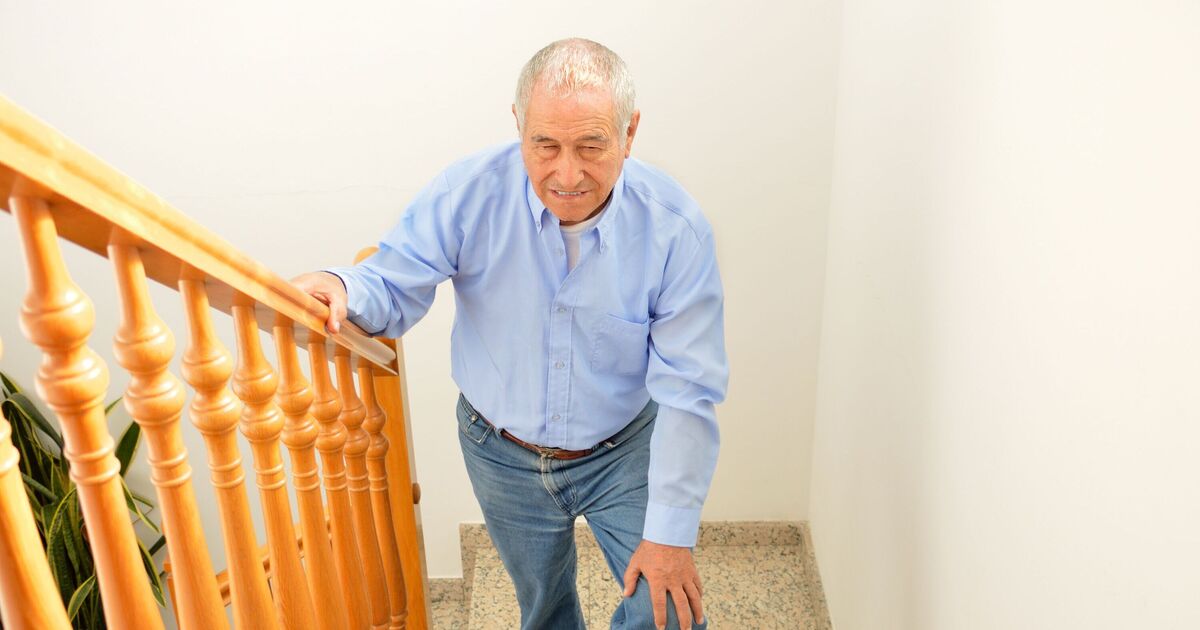

A home safety specialist has identified five warning signs that elderly parents might be concealing significant mobility challenges. If these issues are left unaddressed, they could place our aging loved ones at a heightened risk of experiencing dangerous or even fatal falls.
Data from the NHS ‘Health Survey For England’ reveals that 22 percent of adults aged 65 and older have unmet needs for assistance with daily activities, indicating that many seniors are not receiving the necessary support. It further highlights that mobility problems significantly increase with age; while 21 percent of individuals aged 65-69 require help with daily tasks, this figure rises to 52 percent among those aged 80 and above.
Neil Mckenzie from Halton Stairlifts, a company dedicated to creating safer living spaces for the elderly, emphasizes that identifying five specific behavioral changes early on could help prevent life-threatening incidents.
Mckenzie explained: “Many elderly parents worry about losing their independence, so they often conceal mobility difficulties from their children.
“This reluctance to admit they’re struggling can lead to dangerous situations that might result in serious injury.”
According to Mckenzie, the first important sign to watch out for is a loved-one making excuses to avoid using stairs.
He stated, “If your parent suddenly opts to remain downstairs or only goes upstairs when absolutely necessary, it might be a sign they’re struggling with stairs.”
The second sign involves a noticeable decline in personal hygiene or altered bathing habits. “Bath time can be particularly daunting for many seniors, yet they may not express their difficulties,” Mckenzie explained. “You may notice they bathe or shower less frequently, or they’re wearing the same clothes more often.”
The NHS Health Survey for England reports that 13 percent of adults aged 65 and older require help with bathing or showering, although many do not receive the support they need.
A third warning sign is unexplained bruises or minor injuries: “If you notice unusual bruises or scrapes that your parent dismisses or can’t explain properly, they might be experiencing falls or bumps they don’t want to tell you about.”
While rearranging furniture or living spaces can be the fourth indicator. Mckenzie added: “Watch for subtle changes in how their home is arranged. Many older adults will create ‘support routes’ through their home, positioning furniture so they can grab onto something while walking.”
Lastly, the fifth sign is declining invitations to leave the house. He went on: “If your usually social parent starts avoiding outings or visits, it could be because they’re worried about navigating different environments.”
The NHS data reveals that 20 percent of adults aged 65 and over need help shopping for food, and 19 percent require assistance with routine housework – tasks that involve moving around both inside and outside the home.
Mckenzie noted that these problems often worsen gradually, making them easy to miss if you see your parent regularly. “The changes happen so slowly that many families don’t notice until there’s a crisis,” he said.
“If you notice any of these warning signs, approach the subject sensitively,” advised Mckenzie. “Focus on solutions that maintain their independence while improving safety, like grab rails in bathrooms or stairlifts for multi-level homes.”
Adults from the most deprived areas were twice as likely to need help with daily activities compared to those in the least deprived areas, according to the NHS survey, highlighting the importance of affordable mobility solutions.
“The goal isn’t to take away independence but to ensure your parent can continue living safely in their own home for as long as possible,” Mckenzie concluded.