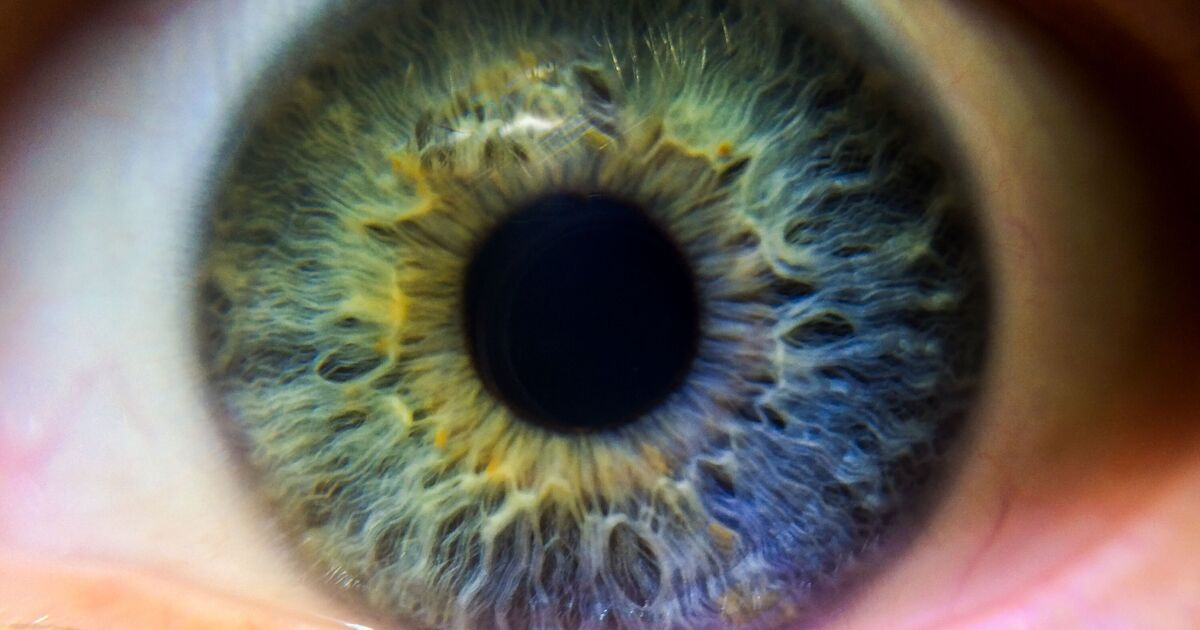


Experts forecast a steep increase in eye disease cases. (Image: Getty/iStockphoto)
Long hours in front of screens, unbalanced diets and unhealthy lifestyle habits are being linked to a growing burden of eye disease. The College of Optometrists expects the number of people living with serious vision conditions to climb sharply over the next decade, forecasting a 24% increase in age-related macular degeneration, a 16% rise in glaucoma and a 17% jump in sight-threatening cataracts. The warning follows research showing that 43% of adults now report experiencing eye problems, compared with 35% last year. Rising rates of Type 2 diabetes are also contributing, as persistently high blood sugar can damage the tiny blood vessels at the back of the eye.
GP Dr Nisa Aslam said people with diabetes should attend regular eye examinations so early warning signs can be identified. However, an estimated 1.3 million people may have diabetes without knowing it, leaving both their general health and eyesight at risk. Potential symptoms include blurred vision, difficulty distinguishing colours, trouble seeing in dim light and floaters, described as spots or lines drifting across the field of vision.
The UK’s ageing population is another important factor. Eyesight commonly changes with age, making short-sightedness, blurred vision linked to changes in the eye’s shape—known as refractive errors—and cataracts increasingly prevalent. New research commissioned by MacuShield, a company that makes eye-health supplements, found that 63% of respondents had noticed their vision deteriorating as they grew older, while 71% believed this decline was unavoidable.
Public health nutritionist Dr Emma Derbyshire said many people underestimate how much they can do to support their eyesight over time. A balanced diet, regular physical activity and avoiding smoking, she noted, can all play a meaningful role in maintaining eye health.
Feast for your eyes

Experts say a balanced diet can help support healthy eyesight (Image: Getty)
Three in five people surveyed believed healthy eating could help protect their sight. Yet two in five were unsure which foods best support eye health, despite more than half identifying carrots as a good choice. Dr Aslam said the popular idea that carrots dramatically improve vision dates back in part to a Second World War publicity campaign. Carrots are rich in vitamin A, which is essential for normal vision, and a deficiency can impair night vision. However, those genuine benefits were amplified by Winston Churchill’s wartime government to help explain the success of British pilots while concealing the role of Bletchley Park’s codebreakers in cracking the Nazi Enigma code.
Something fishy?
Dr Derbyshire highlighted docosahexaenoic acid, or DHA, as another important nutrient. This long-chain omega-3 fatty acid is concentrated in the retina’s cell membranes and supports normal eye function. Despite that, only one in three people surveyed knew about omega-3’s importance. Figures from the National Diet and Nutrition Survey also indicate that most people fail to eat the recommended two portions of oily fish, such as mackerel and sardines, needed to obtain sufficient omega-3.
Clinical nutritionist Suzie Sawyer said DHA contributes to eye health as well as several other processes in the body. She added that consuming 250mg of DHA a day can help maintain normal vision, but warned that low public awareness means many people may not be reaching that amount.
Chocs away

Dr Nisa Aslam urges people with diabetes to arrange regular eye examinations (Image: Courtesy Dr Nisa Aslam)
The MacuShield-backed survey also found that one in 10 adults thought chocolate could benefit eye health. There is a limited basis for that belief when it comes to dark chocolate. Optometrist Francesca Marchetti explained that cocoa and dark chocolate contain antioxidant polyphenols, which may help lower blood pressure and improve circulation to the eyes and brain. Research has also suggested that dark chocolate could temporarily improve visual contrast sensitivity—the ability to distinguish an object from its background.
One recent trial found that dark chocolate may briefly improve blood flow in the retina. However, Marchetti stressed that the effect was short-lived and that chocolate’s high sugar and fat content make it unsuitable as a long-term eye-health strategy. Enjoying a small amount occasionally, she said, is unlikely to cause harm.
Go for the macs

Specialist supplements are among the options suggested to support eye health (Image: MacuShield)
Lutein, zeaxanthin and meso-zeaxanthin are plant pigments often referred to as macular carotenoids because of their role in the macula, the area responsible for sharp central vision. Marchetti said these nutrients are found in particularly high concentrations there. Nevertheless, only one in five people surveyed knew that macular carotenoids are linked to eye health.
A systematic review and meta-analysis concluded that daily intake of at least 10mg may be needed to increase macular pigment optical density, a recognised indicator of eye health. The average European diet provides only about 3mg, while relatively few foods contain meso-zeaxanthin. The body therefore has to produce it by converting lutein. MacuShield Original+ contains 10mg of lutein, 10mg of meso-zeaxanthin and 2mg of zeaxanthin, as well as vitamin B2, which contributes to the maintenance of normal vision.
Macular pigment optical density has also been associated with filtering blue light and reducing inflammation and oxidative stress in the eye, Marchetti said. That could make these nutrients especially relevant for people who spend long periods looking at screens, she added.
Leafy green vegetables provide lutein and zeaxanthin, while yellow and orange fruit and vegetables are also sources of zeaxanthin. Suzie Sawyer advised eating these foods with a small amount of fat—such as an oil-based salad dressing or butter on cooked greens—to improve absorption. Dr Derbyshire recommended lightly boiling, steaming or microwaving vegetables, warning that excessive cooking may reduce the amount of lutein the body can absorb.
Eye insurance
National Diet and Nutrition Survey data shows that fewer than one in five adults eats the recommended five portions of fruit and vegetables each day. Many people also fall short of the recommended oily fish intake, meaning they may not be getting enough eye-supporting nutrients, including macular carotenoids and omega-3 fatty acids, Sawyer said.
With 84% of people concerned about the effects of worsening eyesight, Sawyer recommended considering a supplement specifically formulated to support vision, such as MacuShield Original+ Omega-3. Such products may help address nutritional gaps, although a healthy diet remains an important foundation for eye care.
The right moves
Regular exercise benefits overall health and may support eyesight as well. Experts suggest that activities which improve cardiovascular fitness and blood flow could help reduce the risk of some eye problems. Research involving older adults has also found a connection between lower levels of physical activity and impaired vision.
“It certainly won’t hurt and it could well help,” says optometrist Francesca. The 20-20-20 rule is also important, particularly if you spend a lot of time looking at a screen. “Every 20 minutes, take a break to look away for 20 seconds, ideally at something 20 metres away. It’s such a small thing, but it can make a huge difference to the feel of your eyes.”
Dont stress
It’s telling that nine of out 10 people believe stress takes a toll on their sight – and they’re right. A German study reported “continuous stress and elevated cortisol levels negatively impact the eye and brain” and suggested that meditation and other relaxation techniques could help to head off problems.
Dr Aslam adds: “Stress can trigger eye dryness, and it can also increase tension in the muscles around your eyes and reduce tear production. Simple five-minute breathing exercises, a short walk, yoga or listening to music can help to reduce stress.”
For more information on MacuShield and the science of eye nutrition, visit uk.macushield.com