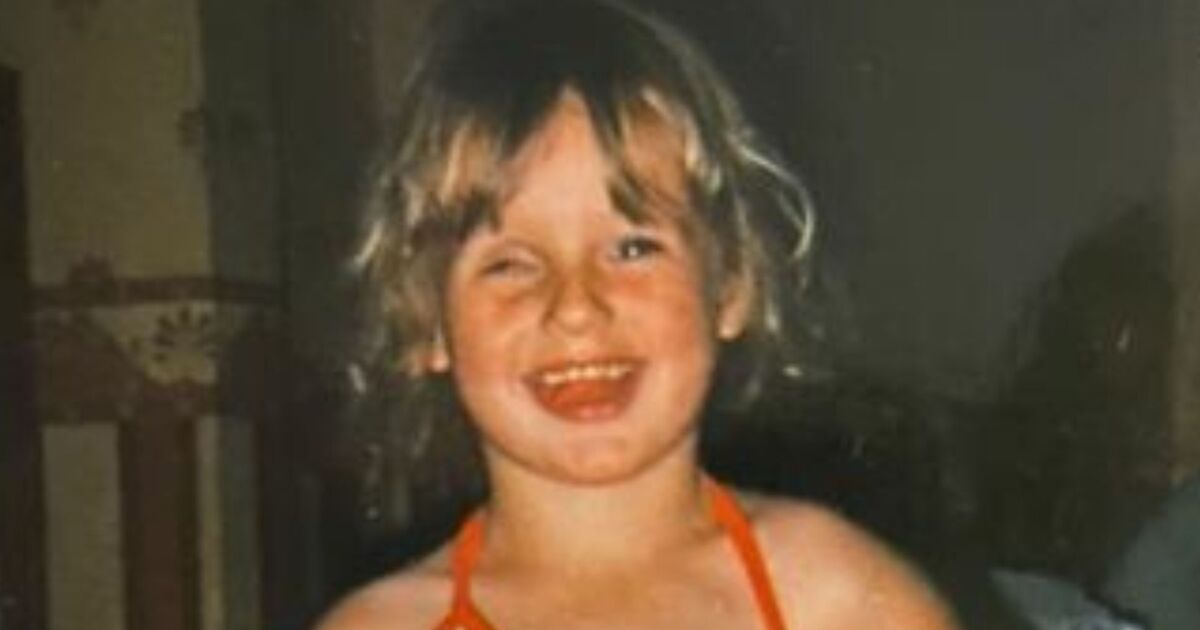

I was diagnosed with unilateral retinoblastoma (eye cancer in one eye) at the age of two-and-a-half years old after my mum noticed a white glow in my right eye. I was referred to The Royal London Hospital (RLH), where we saw my consultant at the time. He wanted us to stay there to have my eye removed straight away to get rid of the cancer, but my parents decided to take me home to see my family before returning to have the surgery.
Due to my parents being very young when I was diagnosed, it was a huge shock, as you can imagine, for them and everyone else in the family. They didn’t expect to go through such a thing with their two-and-a-half-year-old daughter — no parent or family would. Nothing could prepare you to face such a traumatic experience – and it didn’t end with the surgery.
They had to research what retinoblastoma was themselves and, from what I’ve understood, didn’t really have much support at the time. It was a huge thing back in 2002 — very different from today, now that there are social media accounts for others to talk about their experiences and the support of amazing organisations like the Childhood Eye Cancer Trust.
When I was younger, my parents even had to pin me down during ocularist appointments. I used to hide when it was time for my prosthetic eye to be taken out, polished, and my socket checked, which was traumatising and uncomfortable, as you can imagine.
This can be very difficult for a child – or anyone: that feeling of having “a part of your body missing” for 10–15 minutes or more at a time. It just wasn’t nice.
Otherwise, I was just getting on with life and growing up — learning to understand that my parents did this for me and that it saved my life when my eye was removed and replaced by a prosthetic eye.
And now, I wouldn’t change it. For me, one eye basically works as two, and I don’t notice any difference because I’ve had it from such a young age.
Having had retinoblastoma in the past and a prosthetic eye at the age of three years old, it was all I had ever known. I count myself as one of the “lucky” ones who didn’t need further treatment.
Sadly, I lost my right eye — but this shaped me into who I am today: a proud 25-year-old woman, hoping to help others and raise more awareness about the condition through my social media and by making it a normality for those around me.
Mental health support is important because retinoblastoma affects every individual and family differently. Some may not feel happy with how others view their prosthetic eye, which can cause self-esteem issues and impact mental health. It can lead to bullying for some children, such as name-calling.
I was lucky, I had a great prosthetic eye match from my ocularist, and I couldn’t remember life before, which made a huge difference for me.
Even though this type of cancer has a 98% survival rate, the experience can still be brutal. For those in remission, the fear of it returning can continue to weigh heavily on the mind, as well as the fear of second cancers as you grow into adulthood.
That’s why it is extremely important to normalise conversations about cancer — and its mental health impact. Because even though I have not let having a prosthetic eye hold me back, I know that many are deeply affected by cancer, and so having the right mental health support is crucial.
This is why I’m backing the Daily Express’s Cancer Care campaign to ensure patients receive mental health support both during and after their treatment.