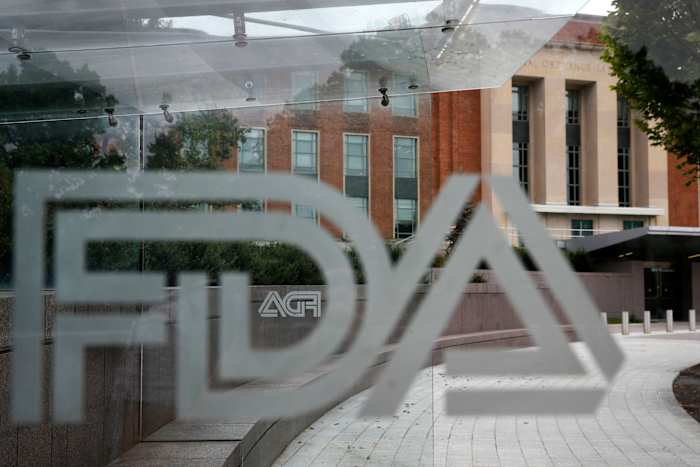

WASHINGTON – In a significant move, the Food and Drug Administration (FDA) on Tuesday granted its first-ever approval for fruit-flavored electronic cigarettes aimed at adult smokers. This decision marks a notable shift in policy following persistent lobbying from the vaping industry to President Donald Trump.
The approval is likely to face criticism from health advocates and parent groups who have consistently argued that flavored e-cigarettes are a main factor in the rising rates of underage vaping in the United States. However, the FDA’s decision comes as teen vaping statistics have plummeted to their lowest in a decade, and as manufacturers have pressured the Trump administration to ease restrictions on these products.
Proponents of vaping have long argued that these products offer a less harmful alternative for adult smokers, potentially reducing the devastating impact of smoking-related diseases, which reportedly cause 480,000 deaths in the U.S. each year due to conditions like cancer, lung disease, and heart disease. Despite being available since 2007, e-cigarettes’ potential advantages have often been overshadowed by their popularity among young people, particularly middle and high school students.
The newly approved e-cigarettes will include flavors such as mango, blueberry, and two types of menthol. Glas Inc., a vaping company based in Los Angeles, intends to market these flavors under the names Gold, Sapphire, Classic Menthol, and Fresh Menthol, as stated in the FDA’s press release.
Prior to this, the FDA had only allowed the sale of tobacco or menthol-flavored e-cigarettes. Most approved products have been from major industry players like Juul and Altria.
The FDA emphasized that Tuesday’s announcement does not equate to an endorsement. The agency reiterated that Glas’s flavored vapes are strictly for adult smokers who are trying to quit or reduce their cigarette consumption.
The FDA suggested the company’s digital age-verification system makes it unlikely the products will be picked up by underage users. Users must first verify their age with a government ID on their cellphone. The e-cigarettes can then only be used when connected via Bluetooth to the phone of the verified user.
The FDA’s OK of the new fruity products will be “a key test case,” said Kathy Crosby of the Truth Initiative, an anti-tobacco nonprofit.
“Ultimately, it’s critical that we remain vigilant in protecting young people, including closely monitoring the use of authorized products,” Crosby said in an emailed statement.
As a presidential candidate, Trump vowed to “save” vaping and won backing from e-cigarette companies, shop owners and vaping enthusiasts.
Under President Joe Biden, the FDA denied more than a million marketing applications for candy- or fruit-flavored products, part of a wider crackdown that is credited with helping drive down teen vaping after a surge in 2019. During his first administration, Trump put in place the first flavor restrictions on e-cigarettes and raised the age for purchasing all tobacco products from 18 to 21.
But action on vaping and other tobacco policies has largely taken a backseat under FDA Commissioner Marty Makary, who has focused on a slate of other priorities, including restricting COVID-19 vaccines, phasing out artificial food dyes and speeding up approval of some innovative drugs.
Groups such as the Vapor Technology Association have met with administration officials in recent weeks calling for more action on flavors.
In March, the FDA released its first-ever guidance to industry on flavors, stating that menthol, coffee, mint and spice flavors could have a role in appealing to adult smokers. The same document also reiterated the risks of sweeter flavors that tend to appeal to teens, such as fruit, candy and dessert flavors.
The vast majority of U.S. teens who vape continue to use unauthorized fruit- and candy-flavored products, according to the latest government data. Those products are technically illegal but remain widely available in cheap, disposable brands typically imported from China.
___
The Associated Press Health and Science Department receives support from the Howard Hughes Medical Institute’s Department of Science Education and the Robert Wood Johnson Foundation. The AP is solely responsible for all content.