
Share this @internewscast.com
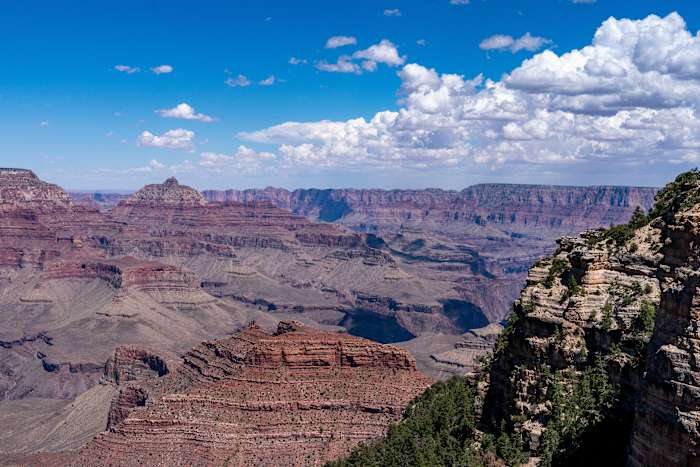
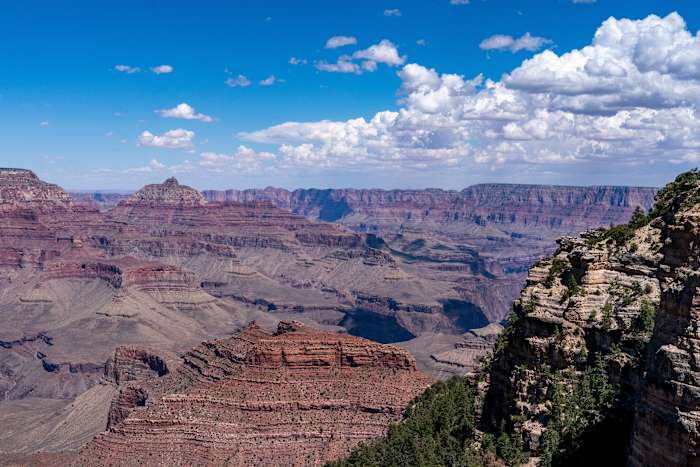
Dreaming of a winter getaway at the Grand Canyon’s South Rim? Unfortunately, those plans are on hold.
Due to several breaks in the park’s sole water pipeline, overnight accommodations, including the historic hotel and lodges, will not be available starting Saturday. With the water supply to the South Rim disrupted, park officials are prioritizing conservation of the limited resources.
This is only the second instance in the park’s history where overnight stays have been suspended due to water shortages, despite the aging pipeline’s frequent malfunctions. In August 2024, a similar situation led to an unprecedented shutdown of overnight accommodations, coinciding with one of the peak visitor periods.
Currently, visitors are unable to book stays at El Tovar Hotel, Bright Angel Lodge, and Maswik Lodge, and campgrounds lack water services. For the park staff and the roughly 2,500 year-round residents of Grand Canyon Village, this means adapting to short showers, infrequent toilet flushing, and turning off taps while shaving or brushing teeth.
As for when things might return to normal, park officials are hoping it won’t be too long.
“Assuming the planned repairs proceed smoothly, we expect to restore water service and gradually reopen overnight lodging as soon as next week,” stated park spokesperson Joëlle Baird in an email.
Despite fresh snowfall Wednesday, welding repairs were underway, and the repair schedule called for flushing and recharging the system over the coming days.
In the meantime, day visitors are still welcome, and there is lodging available outside the park.
While winter is a slower season, more than 41,000 people used overnight lodging in the park last December. In all, the Grand Canyon saw nearly 5 million visitors in 2024, with about 90% of them going to the South Rim.
The 12.5 mile-long (20 kilometer-long) Transcanyon Waterline is the primary water source for park residents, staff and tourists. Originally built in the 1960s, it has been a maintenance priority for years, and a portion of park entrance fees is set aside to help with costs.
A $208 million rehabilitation of the pipeline and upgrades to the associated water delivery system started in 2023, with the National Park Service calling it a crucial investment to ensure the park can meet the needs of residents and visitors. The project is expected to be completed in 2027.
Copyright 2025 The Associated Press. All rights reserved. This material may not be published, broadcast, rewritten or redistributed without permission.