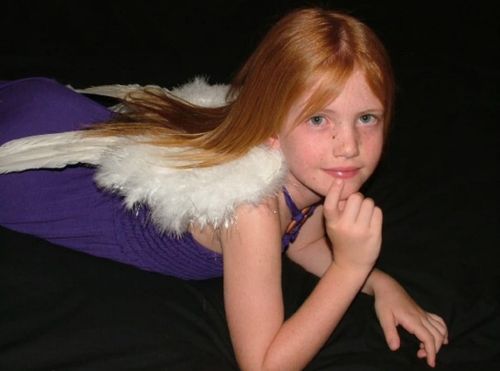

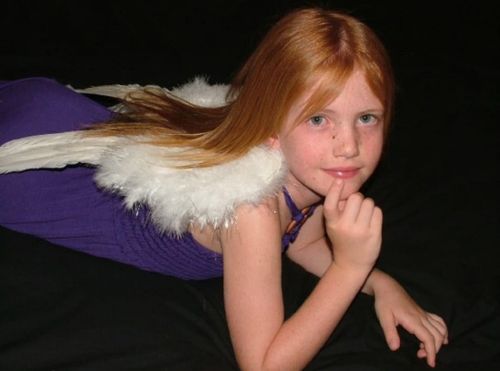
Exclusive: Ren Pedersen’s daughter, Amy, loved ballet and would run like the wind, with her strawberry-blonde hair flying behind her.
The first sign that something was wrong came when she started tripping over her feet, Pedersen said.
With Pedersen’s network providing essential support, the Children’s Cancer Institute launched Australia’s inaugural tumour bank for DIPG in 2011. This initiative was spearheaded by Associate Professor David Ziegler, a paediatric oncologist at the Kids Cancer Centre located in Sydney Children’s Hospital, and a cancer researcher at the Institute.
Research into DIPG has come a long way in the past 15 years, with significant breakthroughs made by Australian researchers.
Pre-clinical testing in mouse models showed impressive results, with the promising drug combination leading to survival in two-thirds of the mice.
Analysis of 252 patients, 153 diagnosed with DIPG, found that 7.5 percent of the children had significant alterations in cancer predisposition genes, such as the BRCA gene, which is notably linked to breast and ovarian cancer.
This groundbreaking research was the first to indicate that the tumours might develop due to inherent germline variants. These findings could have significant therapeutic implications, offering insights into the genesis of the tumours and potential treatment strategies.
However, the challenge remains to bridge the gap between groundbreaking research and accessible treatments.
“What we’ve got to do is get these treatments to the bedsides of the children,” Pedersen said.
“It’s quite a daunting thing,” Pedersen said.
“I’m in a town that’s just been smashed by floods. It’s had the toughest year. But I thought, surely there’s got to be 1000 people across Australia with $1000 who can tap on a credit card.
So far, Pedersen has raised $110,000 in Townsville alone. He is now casting his net wider and taking his mission to the bigger cities, visiting Sydney next week.
“I have families contacting me with children who are at death’s door. So that’s my motivation. We’ve got to get this done, and we’ve got to save the lives of these kids,” he said.