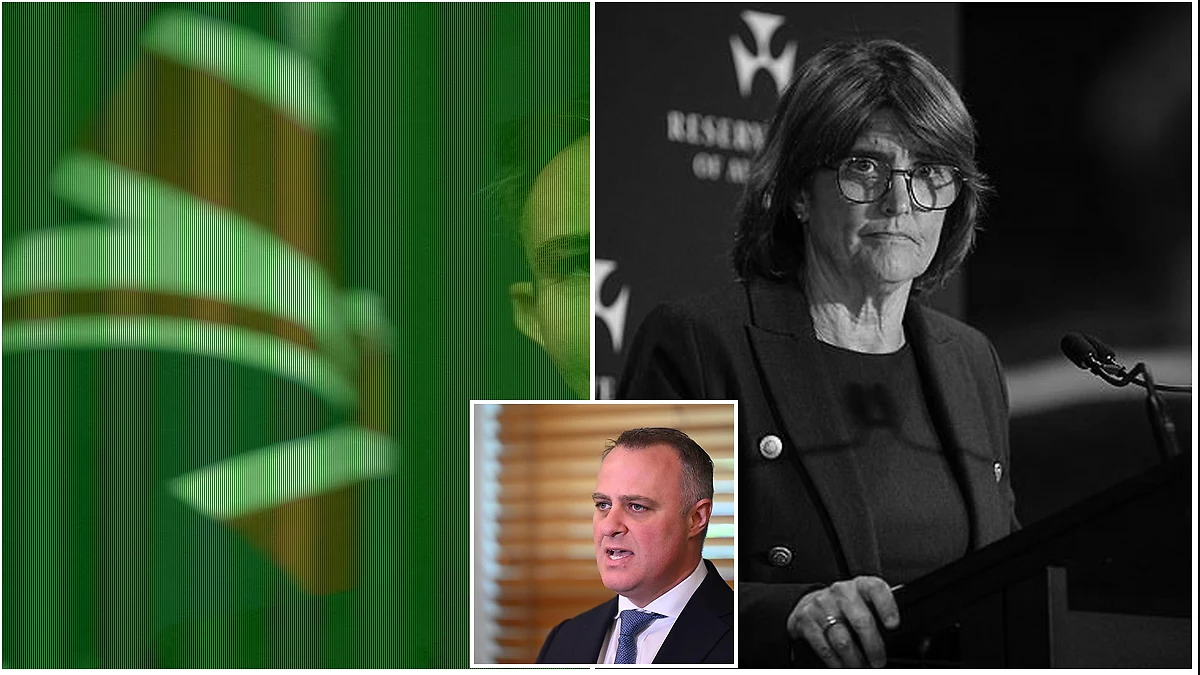

Australia’s annual inflation rate has climbed to a six-month high of 4.3 per cent, despite four interest rate increases this year, intensifying pressure on the Reserve Bank to lift rates again at next week’s Melbourne Cup Day meeting.
Annual inflation accelerated from 4 per cent in August to 4.3 per cent in September. It was the highest reading since March, when inflation reached 4.6 per cent.
“This is an ugly number for the RBA and significantly strengthens the case for another rate hike next week,” said Marc Jocum, senior investment strategist at ETF provider Global X.
Mr Jocum said market pricing for a November rate rise increased from about 60 per cent before the inflation figures were released to roughly 80 per cent afterwards.
A rate increase next week would push the cash rate from 4.60 per cent to 4.85 per cent.
For a borrower with a $600,000 mortgage, the additional increase would lift monthly repayments by about $92, on top of the roughly $364 added by the four earlier rate rises this year.
Once the full impact of all five increases is felt, monthly repayments would be around $456 higher, equal to an extra $5,472 a year.
Treasurer Jim Chalmers blamed the war in the Middle East and rising oil prices for adding to Australia’s inflation pressures.

Treasurer Jim Chalmers said the war in the Middle East and higher oil prices were worsening Australia’s inflation problem.

Market expectations for a November rate rise jumped from about 60 per cent to roughly 80 per cent after the inflation data was released.
“We already had an inflation challenge in our economy and the war in the Middle East is making it worse,” he said.
“We’ve seen higher oil prices driving higher inflation around the world, and today’s figures confirm that we are not immune from that. And that’s why, once again, from an economic point of view, the end of the war in the Middle East can’t come soon enough.”
Our News Outlet Political and Economics Editor Peter van Onselen said the government should reduce spending to help ease price pressures.
“Jim Chalmers can point to international factors driving inflation, but that only makes restraint at home more urgent. He can’t control global prices, but he can control how much his government spends, and we are spending beyond our means,” he said.
“If the Treasurer won’t take some heat out of the economy via spending cuts, the RBA needs to do it with higher interest rates. That means anyone with a mortgage, and businesses carrying debt, paying the price for his refusal to make hard budget decisions.”
“A targeted austerity drive would let the government choose where to tighten its belt. Higher rates are a blunt instrument that hurt households, discourage investment and put jobs at risk. Chalmers needs to explain why spending restraint is too hard but another hit to family budgets is somehow okay.”
KEEP READING: Kayak Fisherman Swims to Shore After Suspected Shark Strike
The renewed inflation surge has also challenged the Albanese government’s earlier belief that Australia had moved beyond the worst of the cost-of-living crisis.
In January 2025, Mr Chalmers said Australia had “turned a corner” after headline inflation fell to a near four-year low of 2.4 per cent in the December quarter.

Shadow Treasurer Tim Wilson said government spending had been the main driver of elevated core, or underlying, inflation.
“The worst of the inflation challenge is now well and truly behind us, and that’s one of the reasons why we are confident but not complacent about the economy in the year ahead,” he said at the time.
He also argued the economy was on course for a ‘soft landing’.
‘The soft landing that we have been planning for and preparing for is now looking more and more likely.’
The latest figures show prices rising across every major spending category, adding to the strain on household budgets.
Petrol prices jumped 9.4 per cent in September after rising 14.8 per cent in August. Prices were almost 24 per cent higher than a year earlier.
Transport recorded the biggest annual rise of any major spending category, up 8.7 per cent in the year to September. Housing had the second-largest increase, at 5.2 per cent.
Education costs rose 4.7 per cent, recreation and culture increased 4.5 per cent, and alcohol and tobacco climbed 4.3 per cent.
Insurance and financial services were 3.9 per cent more expensive than a year earlier, while health costs rose 3.7 per cent.
Food and non-alcoholic beverages increased 3.2 per cent, and communication costs climbed 2.3 per cent.
Smaller annual increases were recorded for furnishings, household equipment and services, up 0.8 per cent, and clothing and footwear, up 0.4 per cent.
Shadow Treasurer Tim Wilson said government spending had been been the key driver of the elevated core inflation or underlying inflation.
‘That’s why interest rates keep going up,’ he told News24.
‘Until you contain government spending, Australians will pay more on their mortgages and go to the supermarket and pay more and get less.’


