Share this @internewscast.com
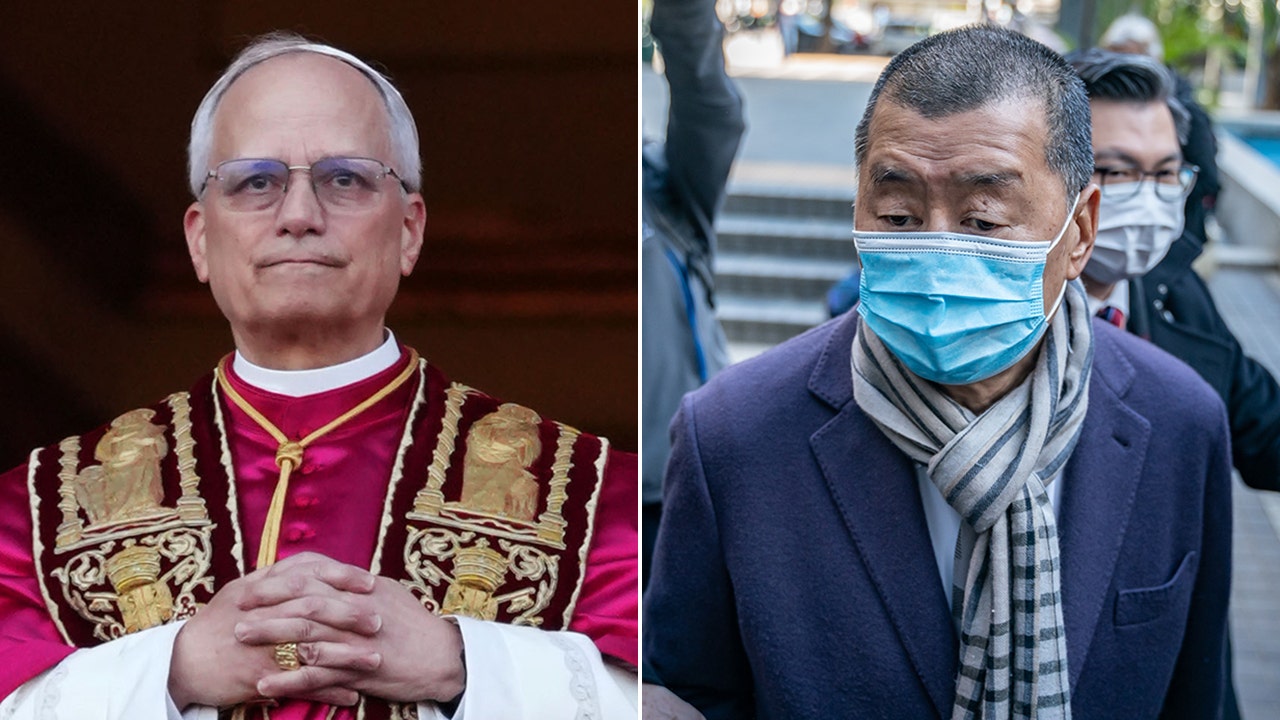
Pope Leo XIV recently stated that he is unable to comment on the 20-year prison sentence given to a democracy advocate in Hong Kong.
Speaking to EWTN News, a global Catholic news outlet, from Italy, the American-born Pope Leo remarked, “I can’t comment.”
He further expressed, “Let’s pray for less hatred and more peace and work towards sincere dialogue. God bless you all.”
Last month, Jimmy Lai, a Hong Kong publisher and democracy supporter who has embraced Catholicism, received a 20-year sentence from Beijing for breaching the national security law enacted in 2020. U.S. Secretary of State Marco Rubio condemned the sentence as “unjust and tragic.”
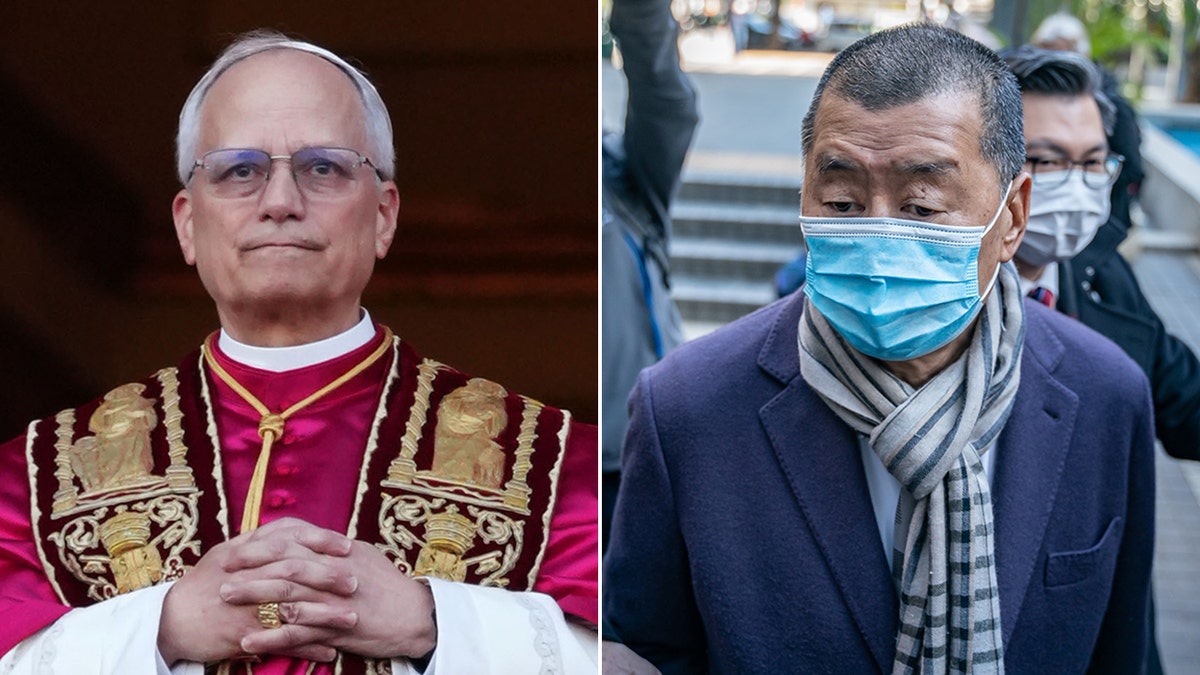
Pope Leo XIV’s remarks come amid global discussions about the sentence.
Rubio emphasized, “The conviction demonstrates Beijing’s extreme measures to silence those who promote basic freedoms in Hong Kong.” He urged, “The United States calls on the authorities to grant Mr. Lai humanitarian parole.”
The 78-year-old founded the now-closed Hong Kong-based Apple Daily in 1995, while the island was still under British rule.
Lai’s sentence closed one of the country’s most consequential national security cases since Beijing imposed the sweeping new law in 2020 after months-long anti-Chinese Communist Party protests in 2019, which were sparked by fears Beijing was eroding Hong Kong’s promised autonomy.
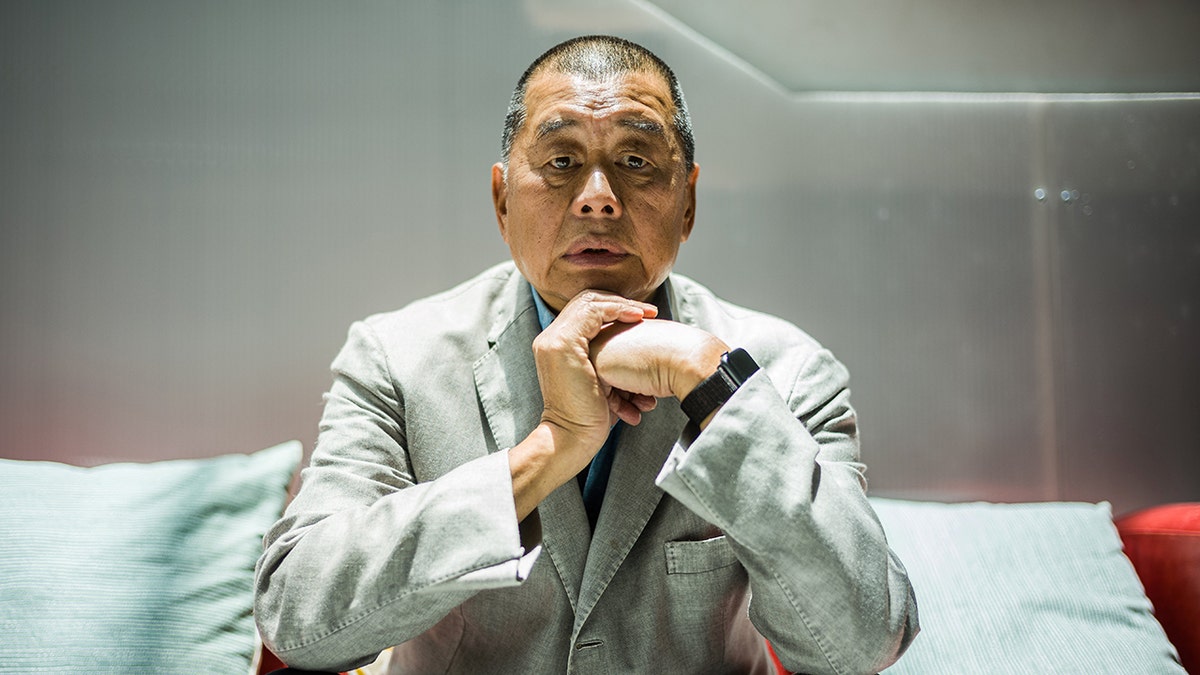
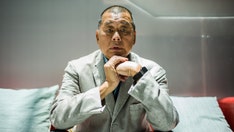
Lai has been in custody since 2020. (Anthony Wallace/AFP via Getty Images)
They were followed by a sweeping security crackdown that criminalized dissent and reshaped the city’s legal system.
Lai was arrested several times during the 2019 protests, and he was detained at his home in 2020. His newspaper was also raided at the time and closed.
He was found guilty in December of attempting to undermine national security.
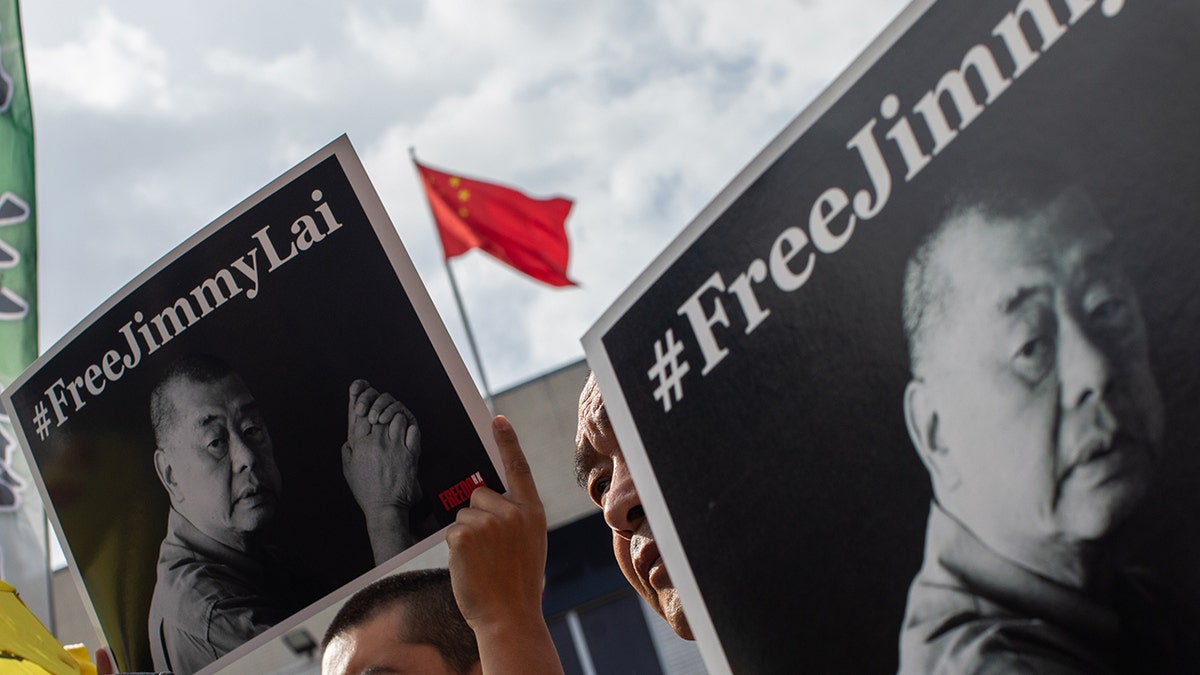
Jimmy Lai supporters in Los Angeles last month. (Apu Gomes/Getty Images)
President Donald Trump said in December he had personally urged Chinese President Xi Jinping to release Lai.
“I spoke to President Xi about it, and I asked to consider his release,” Trump said. “He’s not well. He’s an older man, and he’s not well, so I did put that request out. We’ll see what happens.”
Related Article