Wall Street executives and senior U.S. intelligence officials have privately told Congress that a series of technology outages that disrupted much of the country over the past week may have been triggered by an urgent effort to fix security weaknesses identified by artificial intelligence.
Microsoft Outlook and Teams suffered worldwide outages, the Federal Aviation Administration ordered a nationwide ground stop, JPMorgan Chase customers reported difficulty accessing their accounts and the NSA’s classified network went offline—all within days of one another.
The Trump administration has maintained that the incidents were unrelated and that there is no evidence hackers caused the disruptions.
“We do not see the indicia of a coordinated cyber attack,” Director of National Intelligence Jay Clayton said. Secretary of State Marco Rubio likewise said there was “no evidence, and no reason to believe at all” that the outages were connected.
However, bank executives and National Security Agency officials told lawmakers in private briefings that the disruptions followed a frantic push to close vulnerabilities identified by AI systems.
Three people familiar with those discussions told The Washington Sun that the fixes were deployed so rapidly they temporarily overloaded the systems they were intended to protect.
“These models are identifying massive vulnerabilities, and that increases the urgency to patch right away,” said one congressional official briefed on the matter.
“They’re trying to push through a lot of patches all at once—more than the system was designed for.”

The outages have fueled fears about the country’s cyber defenses, while the Trump administration faces criticism for providing limited information to the public (pictured: Melania with a Figure AI robot at the White House in March)

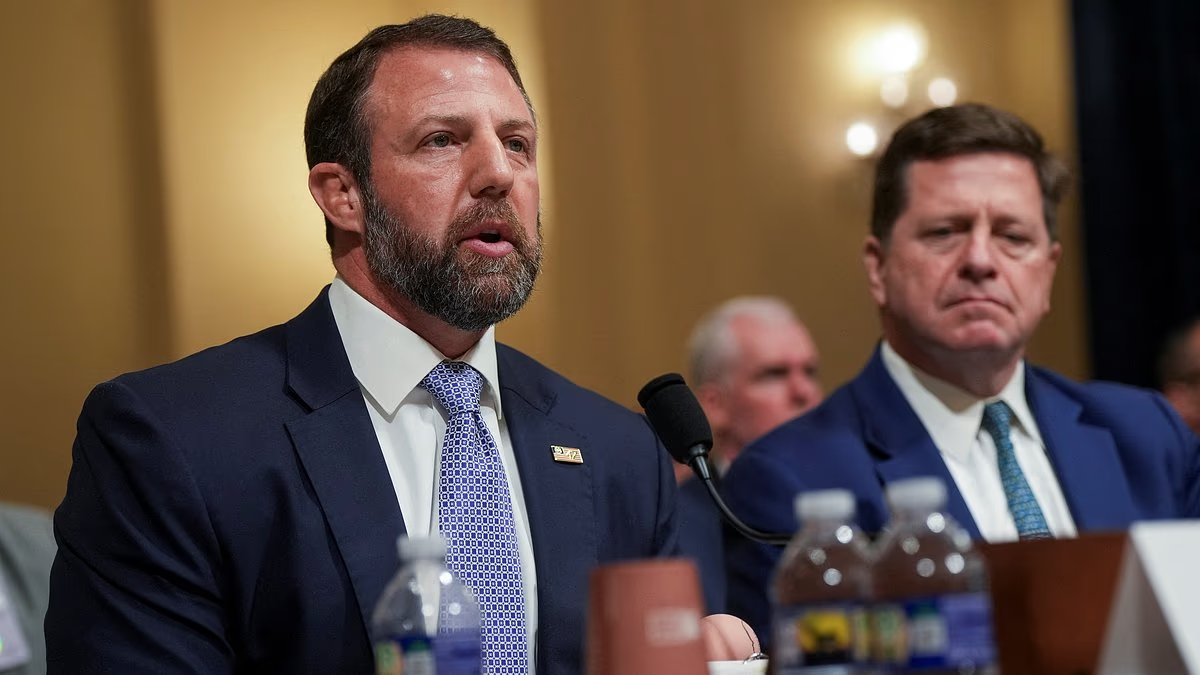
Homeland Security Secretary Markwayne Mullin and Director of National Intelligence Jay Clayton testified about the cyber disruptions on Capitol Hill Wednesday

Drivers pushed their vehicles while leaving a Costco store in Teterboro, New Jersey, on Wednesday

A shopper pushed a cart filled with household supplies in St. Petersburg, Florida, on Wednesday
Clayton told lawmakers Wednesday that the outages appeared to be independent failures tied to maintenance and system changes, rather than the work of a coordinated attacker.
Mullin delivered a similar assessment before the House Homeland Security Committee.
“I understand the timing of these incidents can raise questions, and it should,” he said. “The American people should ask us these questions. But based on what we know today, after a great deal of digital diligence, these are separate service outages associated with maintenance and technical changes.”
The most sensitive disruption affected NSANet, the classified network used by the NSA for internal communications. The system went offline Tuesday.
The NSA, a Department of Defense agency responsible for collecting foreign communications and protecting U.S. government networks, shut its campus to all but essential personnel that evening.
Clayton attributed the NSA outage to a software patch addressing vulnerabilities discovered last month. A senior administration official told reporters Wednesday that efforts to restore the network were moving “slower than expected.”
Google’s Threat Intelligence Group warned Monday that hackers were using autonomous AI to examine software updates, determine which vulnerability had been fixed and develop an exploit—without human intervention.
“Imagine a hacker that doesn’t eat, sleep, or get tired, and never stops searching for a way in,” Google said.

Flights were grounded Friday before a separate outage disrupted United Airlines on Monday
The FBI issued an emergency alert Friday about Artex, a free AI-powered hacking tool that criminals had already used against banks, government agencies, energy companies and hospitals, according to the bureau.
The escalating situation kept JD Vance in Washington on Wednesday. He withdrew from the New York Times DealBook Summit in Manhattan just minutes before taking the stage to attend urgent meetings.
Vance said on Fox News Monday that friends had asked whether they should construct bunkers or stockpile food and water.
“We do not see some crisis coming down. But you have to be prepared for everything,” he said.


