
Rachel Reeves has backed Labour’s renewed debate over reversing Brexit, as ministers prepare to agree a youth mobility arrangement that could allow 80,000 young Europeans to live and work in the UK each year.
The former Chancellor said Britain’s “future lies in the European Union” after Andy Burnham reignited the party’s long-running argument over the country’s relationship with Brussels.
The Prime Minister’s suggestion that Labour’s next manifesto could include a pledge to rejoin the bloc has exposed serious divisions within the party, reaching as far as the Cabinet.
Current Chancellor John Healey appeared cautious about the prospect in a series of interviews last week, despite Mr Burnham urging ministers to maintain a united position on the issue.
In her first major intervention since leaving No 11 in July, Ms Reeves declared that Brexit had left the UK “poorer, weaker and less secure”.

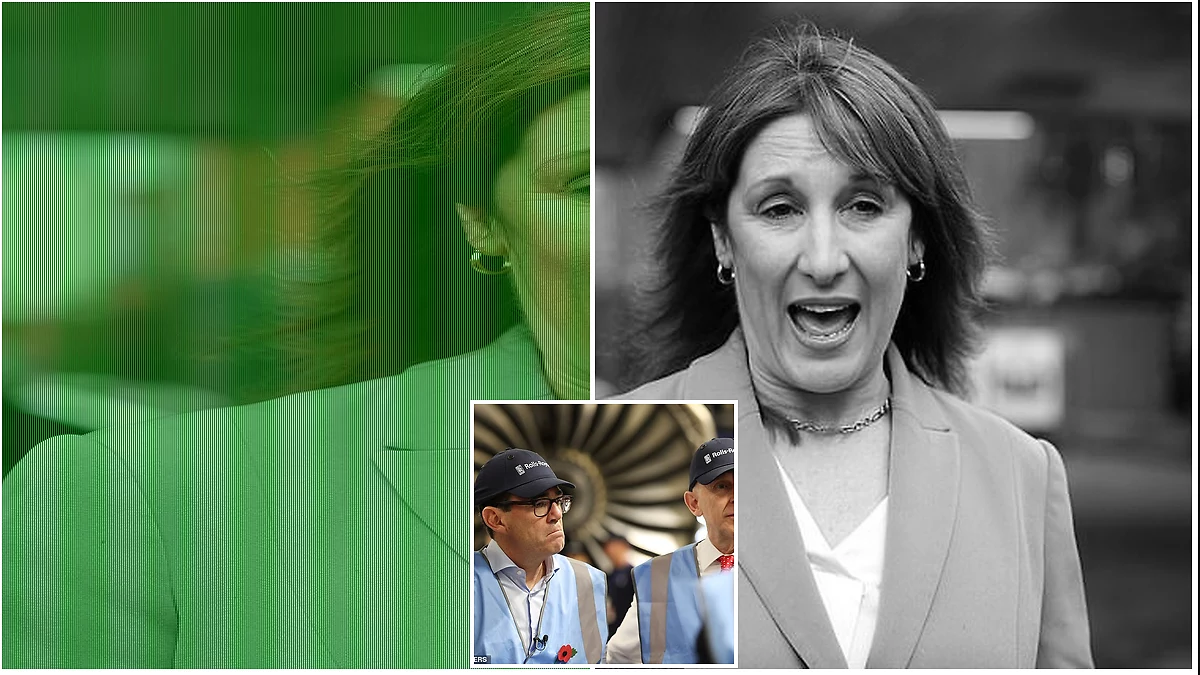
Rachel Reeves said Britain’s “future lies in the European Union” after Andy Burnham reopened the long-running Brexit debate
Writing in The Sunday Times, she praised Mr Burnham for showing “leadership” by bringing the question back into the spotlight.
She wrote: “I am proud of the progress we have already made in strengthening the relationship between the UK and the European Union.
“Brexit has made us poorer, weaker and less secure.
“There is an important debate to be had about our future relationship with Europe, and I welcome Andy Burnham’s leadership in confronting that question. No one in the Treasury ever doubted where my instincts lay.”
Ms Reeves added: “I do believe Britain’s future lies in the European Union.
“But those who support rejoining must make the case, show the practical benefits and ensure the next steps are handled correctly. That is particularly important ahead of the UK-EU summit later this month.
“At the very least, we should seek confirmation of the ambitious youth mobility scheme negotiated earlier this year. I also hope there will be progress towards joining the SAFE defence partnership.”
Mr Burnham is expected to meet European Commission president Ursula von der Leyen in Brussels on November 20 to complete negotiations over the new arrangements.
However, concerns have been raised that he could accept significant concessions in exchange for improved trading terms.
Ministers are said to have agreed last week that 80,000 young Europeans could be permitted to come to Britain to live and work under a new youth mobility agreement. Opponents have dismissed the proposal as a form of youth “free movement”.
The Prime Minister’s call for an “honest discussion” about potentially restoring freedom of movement has triggered a fresh wave of debate inside Labour.
Uncertainty grew after he was questioned about how any change to Labour’s manifesto red lines would be presented to voters. Those commitments currently rule out rejoining the customs union and single market.
Mr Burnham initially said there would be no change during the current Parliament, while suggesting he could contest the next general election on a platform that included taking Britain back into the EU.
But during a separate interview, he answered “no” when asked whether the UK should restore EU freedom of movement without holding a referendum.
Downing Street was then forced to clarify that he was “not leaning either way” on the route ahead or on whether the public should be given a vote.

Suggestions from Mr Burnham, pictured with Chancellor John Healey, that Labour’s next manifesto could support rejoining the EU have exposed deep divisions within the party
In a letter to Cabinet colleagues, Mr Burnham urged ministers not to publicly campaign for any particular outcome before the EU-UK summit later this month.
“After the summit, the Government’s policy will be to examine options for the UK’s long-term relationship with the EU, for consideration in the next Parliament,” he wrote.
“Once that work is complete, we will explain to the country the advantages and disadvantages of the different choices.
“It is vital that the Government remains united and disciplined in its public messaging throughout this period.
“Ministers should not individually promote specific options or offer views on the likely conclusion of the process.”
Mr Healey, who represents a South Yorkshire constituency with strong support for Leave, used several post-Budget interviews last week to play down the likelihood of Britain rejoining the EU.
The 66-year-old said he could not envisage the UK returning to the bloc during his lifetime and questioned whether freedom of movement should be restored.


