
Russian intelligence operatives, including alleged Federal Security Service officers, are recruiting vulnerable girls as young as 11 to lure Ukrainian soldiers to their deaths, investigators say, supplying poison to be slipped into unsuspecting servicemen’s drinks.
Investigators say Russian agents are also taking control of social media accounts belonging to vulnerable women and children, using Telegram to arrange the deadly encounters.
Recruits claim they are approached by strangers through messaging apps and offered quick cash in exchange for access to their Telegram accounts.
The handlers then use the compromised profiles to approach soldiers on leave or between deployments, posing as women, developing romantic connections and arranging dates.
Ukrainian national police chief Ivan Vyhivskyi said Russian operatives allegedly finance every stage of the plots.
The alleged use of poison is of particular concern to investigators from Ukraine’s Security Service (SBU) and the national police, who say recruits are instructed to collect the substances.

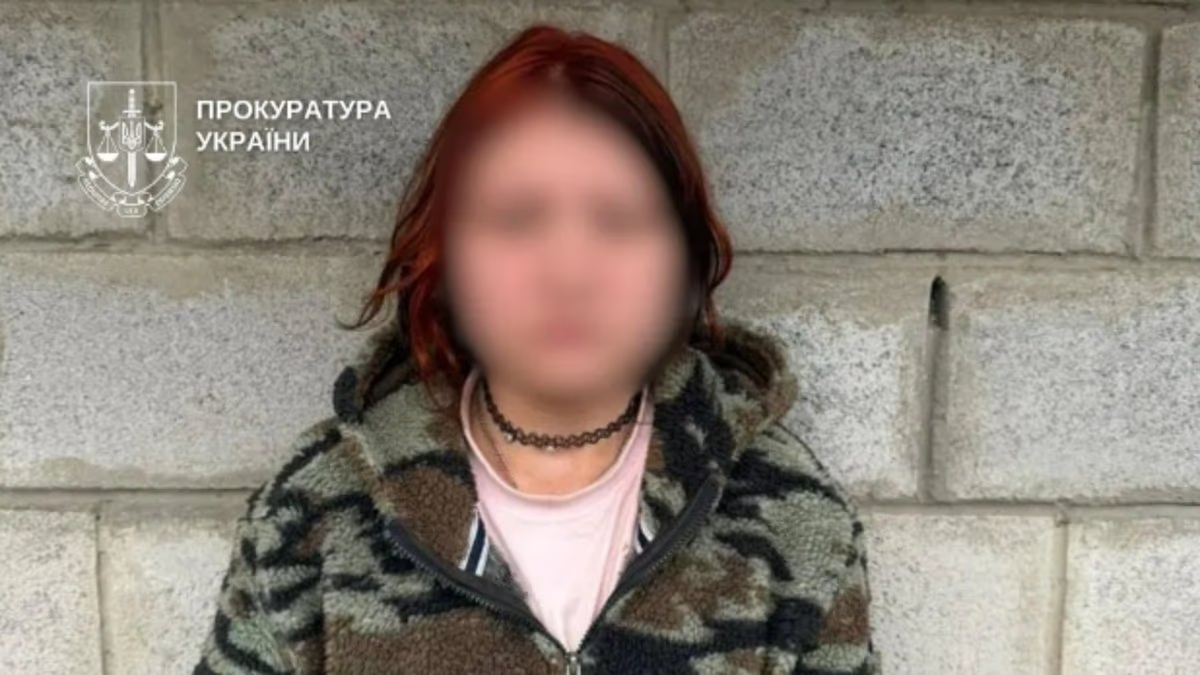
A 19-year-old girl from Kyiv (pictured) faces a possible life sentence for contract murder, allegedly in exchange for just £750
Officials say the arrangements indicate that Russian operatives are active in Kyiv and other locations, waiting for instructions before delivering the poison.
A 32-year-old Colombian volunteer in Kyiv was taking a break between military contracts when he began receiving messages from a 19-year-old woman.
Prosecutors allege that the messages were written by the woman’s Russian handler, who had taken over her account after offering her money.
Kyiv police said the woman spent more than a month building a relationship with the soldier online before arranging to meet him.
The pair met and later went to a rented apartment in Kyiv’s Obolon district, where they drank together.
Investigators allege that the woman had previously collected a bottle of poison from a nearby park and secretly poured it into his drink.
Police said the Colombian became critically ill, lost consciousness and died within an hour.
Prosecutors further allege that the handler demanded video proof of the killing.
They said the woman recorded the soldier’s final moments on her phone and sent the footage to the man directing the operation before taking cash from his pockets and fleeing.
Police later traced her to an abandoned house in Cherkasy Oblast, where she was hiding, and brought her back to Kyiv.
The 19-year-old faces a possible life sentence for contract murder. Investigators say she was promised £750 but never received the money.
Her alleged Russian handler has disappeared.
The woman had previously been convicted of drug possession.
According to Ukranews, Ukraine’s National Police recorded at least six contract killings using this method during the first half of 2026, with several suspects reportedly being children.
Investigators are also reviewing 21 cases involving the suspected poisoning deaths of 23 Ukrainian servicemen.
Methadone was allegedly used in 13 of the cases. Seven suspects are under-age girls, while four investigations have already reached court.
In June, police in the Zhytomyr region arrested a 17-year-old girl from Berdychiv who is accused of poisoning a 27-year-old soldier’s drink during a meeting in a rented apartment, allegedly on the instructions of a Russian handler. Investigators say the soldier died as the teenager filmed him on her phone.
Another case in western Ukraine concerns a 14-year-old girl accused of giving a serviceman alcohol containing methadone before strangling him. She allegedly received instructions from her handler during a live video call.
YOU MAY ALSO READ: Taliban Erase Afghan Women’s Names, Calling Them ‘Granny’ or ‘Goat’
Police believe the Russian citizen who recruited her was acting on orders from the FSB.
Ukrainian investigative outlet Slidstvo.Info reported that the handler initially used photographs of the girl to establish an online relationship with the soldier before sending the child to meet him in person.
In Kharkiv, two young women allegedly recruited through a Telegram channel used for drug dealing are accused of arranging another killing.
Police said one woman rented a hostel room and bought alcohol, while the other, a 16-year-old girl, met a soldier she had befriended online, drugged his drink and suffocated him with a pillow after he lost consciousness.
Investigators allege that the killing was livestreamed to the handler using a concealed phone.

The 19-year-old girl accused of poisoning a Colombian soldier used her social media account to cultivate a relationship with the soldier for more than a month before arranging a meeting
The teenager was reportedly promised about £1,100 for the killing but, like the other recruits, allegedly never received payment.
Police said the women and children involved are rarely driven by ideology.
In Kharkiv, investigators found that only one of the teenagers under investigation had previously expressed pro-Russian views.
Instead, officials say the handlers seek out vulnerable young people, particularly those affected by poverty, addiction or social isolation.
According to a report by The Sun, many of the girls were allegedly recruited through Telegram drug channels — the same online marketplaces promoted through graffiti on tower blocks in war-damaged Ukrainian cities.
Ukrainian officials say Russia deliberately targets people with histories of substance abuse and financial hardship, as well as, most disturbingly, children orphaned by the war.
Ukrainian intelligence says the youngest child approached by Russian recruiters was just 11.
An investigation by national broadcaster Suspilne found that young people initially attracted by promises of easy money were later subjected to intimidation, blackmail and violence. Footage allegedly showed children being forced to kneel, kicked and made to apologise to chatroom administrators.
Authorities say the alleged operation extends well beyond a small number of isolated killings.
The UN reported that Ukrainian authorities detained 103 minors in 2025 over acts of sabotage allegedly ordered by Russia. Ukrainian intelligence says teenagers made up about one-fifth of everyone detained that year for collaborating with Moscow.
Poison is only one element of the alleged campaign.
In August, the SBU said it had thwarted more than 50 so-called honeytrap plots aimed at soldiers since the beginning of 2026.
Many allegedly involved Russian operatives posing as women on dating websites before luring servicemen to meetings where poison, explosives or armed attackers were waiting.
One such case occurred in January in Zaporizhzhia, where a soldier who believed he was meeting a woman he had met online was attacked by a masked assailant.
The attacker stabbed him six times in the neck, chest, stomach and leg.
The SBU said the woman messaging the soldier was working for the FSB. The serviceman survived the attack.
In another alleged plot, a soldier was sent a bottle of drink containing a fatal dose of methadone and urged to consume it during a video call so the sender could watch. That attempt also failed.
Telegram, the messaging platform at the centre of many of the allegations, said it works to detect and remove attempts to recruit users for murder or sabotage.
A Telegram spokesman said: ‘Telegram is a platform for peaceful communication and privacy, not war.’


