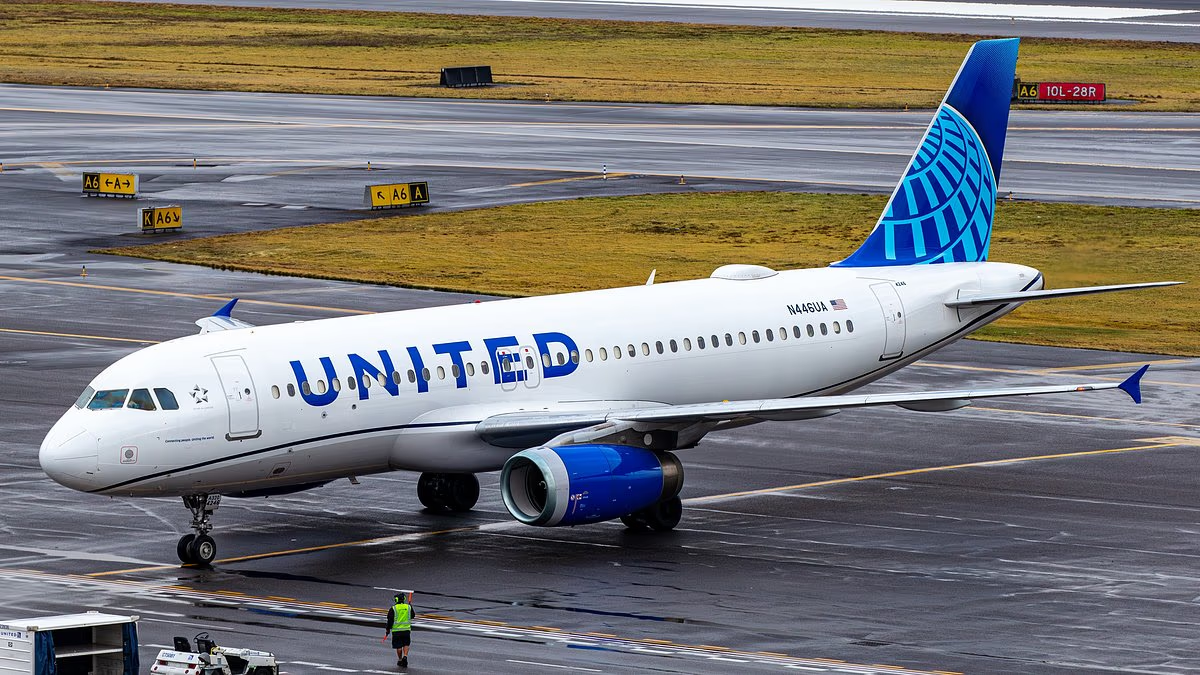
Travelers hoping to let an AI assistant book their next flight may need to make the reservation themselves. United Airlines has blocked unauthorized AI tools from purchasing tickets through its platforms.
The policy represents an uncomfortable setback for Meta, which is promoting its Muse AI agent as a digital assistant designed to handle routine tasks, including researching and booking travel.
United said third-party AI agents that lack authorization will be prevented from using its websites and apps. The restriction also applies when those tools operate through travel agencies or online booking platforms.
An AI service may still search for United flights and show available prices, but it cannot finalize a reservation for a customer unless the airline has approved the process.
United said the decision was driven by concerns over customer privacy, account security and the protection of personal information.
‘Sharing account credentials with personal, third-party, AI assistants can expose sensitive information,’ the airline said in a statement.
United also warned that automated systems could accidentally make unwanted purchases, alter account information or use a traveler’s hard-earned MileagePlus miles.

Travelers hoping to have an AI assistant book their next flight may have to handle the purchase themselves after United Airlines blocked unauthorized tools from buying tickets.

The policy is a setback for Meta, which is positioning its Muse AI agent as a digital helper capable of managing tasks such as arranging and booking trips.
The airline also cited rules from the Federal Aviation Administration and the Department of Transportation requiring travelers to personally confirm certain safety-related information.
During online check-in, for instance, passengers must verify that their checked luggage does not contain prohibited materials, including explosives.
United’s position is that an AI agent cannot provide that required acknowledgment on behalf of a traveler.
To put the policy into practice, the airline is revising its booking, ticketing and distribution rules.
United CEO Scott Kirby had already expressed reservations about adding another intermediary between the airline and its passengers.
‘To be honest, I don’t want to create another middleman,’ he said earlier this week.
YOU MAY ALSO READ: Italy Fines Meta $887 Million Over Access to Android Users’ Photo Galleries
The issue extends beyond the rise of AI. Airlines have spent years debating with online travel agencies and fare-comparison websites over control of the customer relationship and the booking process.
Aviation analyst Henry Harteveldt told CBS News that AI agents could become an even more influential middle layer while adding costs through large volumes of automated flight searches.

United said unauthorized third-party AI agents will be barred from accessing its platforms, including indirectly through travel agencies and booking aggregators.
According to industry coverage, United is the first major US airline to publicly establish specific limits on personal AI agents operated by outside companies.
Other airlines have adopted a less restrictive stance. Delta says authenticated AI assistants may complete certain bookings, provided safeguards are in place for sensitive transactions. American Airlines has also said some AI tools can help customers purchase tickets.
Southwest took another step in October by introducing a ChatGPT plugin that allows customers to explore destinations and search for flights as part of a gradual rollout of AI-powered travel services.
The differing approaches point to a larger question for the travel business: Should artificial intelligence merely suggest an itinerary, or should it also be permitted to complete the payment?
Technology companies are betting that people will embrace assistants capable of researching journeys, comparing fares and completing purchases with little user involvement.
Companies, however, remain cautious about giving outside systems access to customer profiles, payment information and loyalty rewards.
United said it has recorded relatively few attempts by customers to use AI agents for flight bookings, indicating that the immediate effect on travelers is likely to be modest.
Even so, the airline’s decision comes as banks, retailers and other businesses impose tighter limits on external AI services.
Some United customers questioned online whether the carrier applies identical security standards to its own automated tools. Others said a human should remain involved whenever a purchase affects money and important travel arrangements.
One Reddit user said they would be happy to let AI organize a trip but preferred that a person complete the final transaction.
For Meta, the growing divide raises a commercial concern: if major companies permit AI agents to browse and compare options but stop them from making purchases, one of the technology’s most anticipated business applications may have difficulty gaining momentum.
United has not closed the door permanently, saying it could reconsider the policy as personal AI assistants improve and more effective security measures become available.


