
An 11-year-old boy in Ontario, Canada, has died after contracting rabies, according to a medical journal report published Monday.
The Canadian Medical Association Journal did not name the child or his family, but said he was taken to hospital several weeks after coming into contact with a bat.
According to CMAJ, the family reported that the boy had been staying at a cottage in northern Ontario 19 days before symptoms began when he woke up to find a bat on his nose and mouth. He brushed it away, and his father then trapped the bat in a cooking pot before releasing it outdoors.
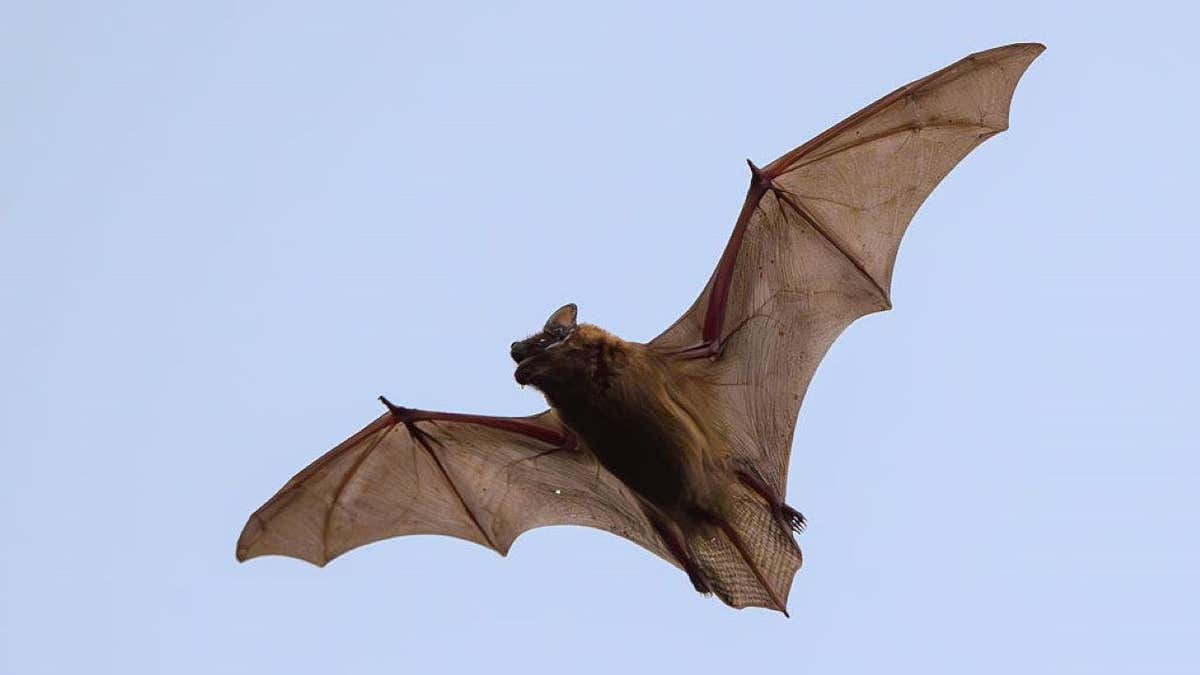
A common noctule bat (Nyctalus noctula) photographed in Kersdorf, Brandenburg, March 14, 2026. (Patrick Pleul/picture alliance via Getty Images)
The journal said the child had no obvious marks or wounds on his face, and his parents did not believe the bat had been acting unusually. As a result, they did not seek medical care at the time.
The boy was eventually taken to an emergency room 20 days after the bat encounter. He was initially discharged, but his parents returned with him the next morning, and he was admitted to the hospital.
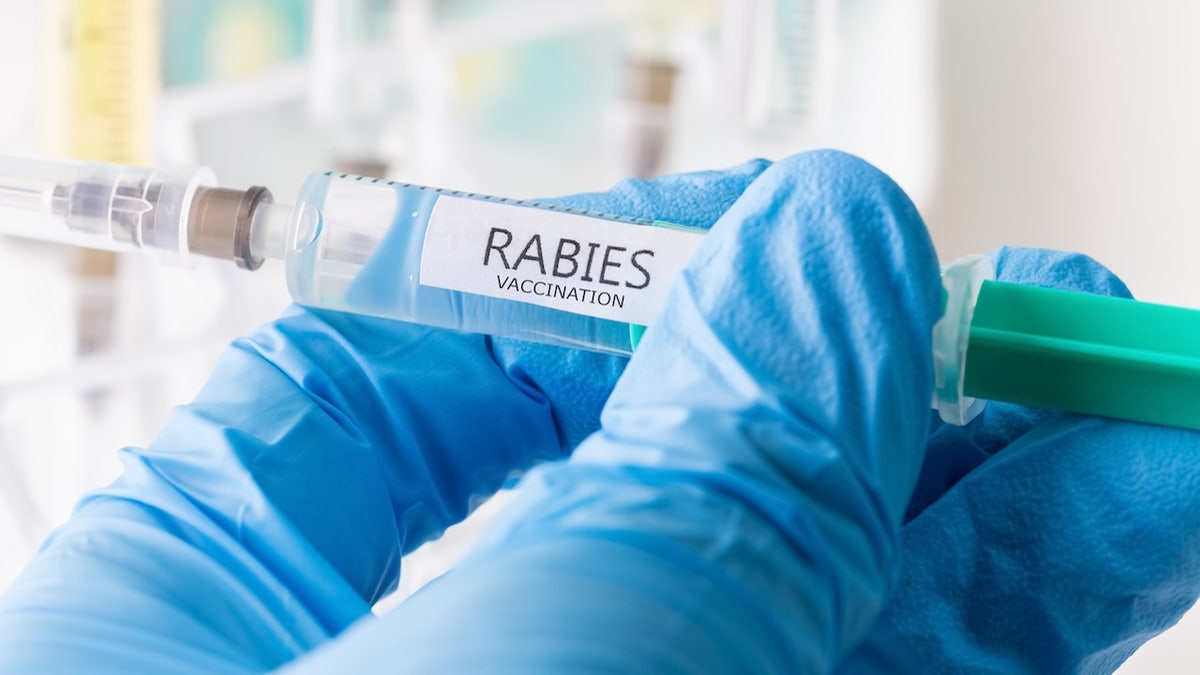
Rabies vaccination (iStock)
RELATED: Meghan Markle Was ‘Puzzled’ by Royal Hierarchy During 2018 Wimbledon Outing With Kate, Expert Claims
Physicians reported that his condition “rapidly worsened” by that evening. He remained hospitalized for more than two weeks before he died.
“By day 5 of admission, his brainstem reflexes were absent. Life-sustaining therapies were withdrawn on day 17 of admission, and he died peacefully with his family at his bedside,” the journal article said.
Doctors who authored the article warned that any direct human contact with a bat, even in the absence of a visible bite or scratch, should be discussed with public health authorities.
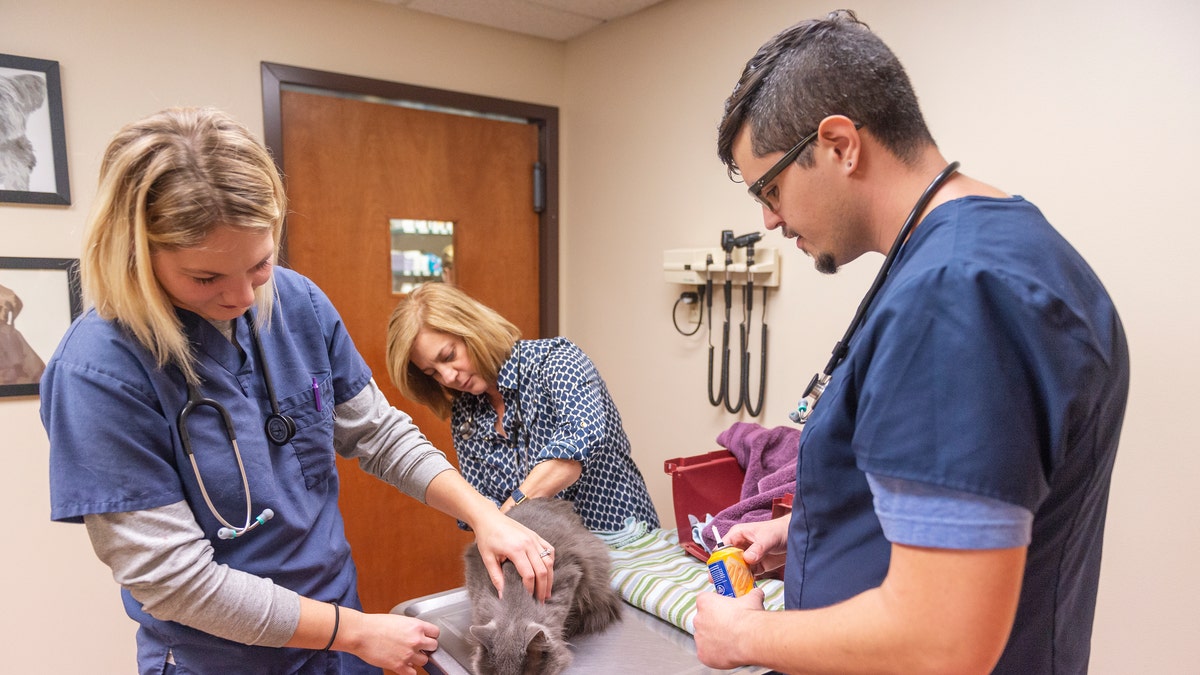
This photo taken Nov. 1, 2018, shows veterinarian Amy Keith giving Lincoln a rabies shot as veterinary nurse and Veterinarian Assistant Nate Johnson feed Lincoln cheese wiz at Valley West Veterinary Hospital in Charleston, W. Va. (Craig Hudson/Charleston Gazette-Mail via AP)
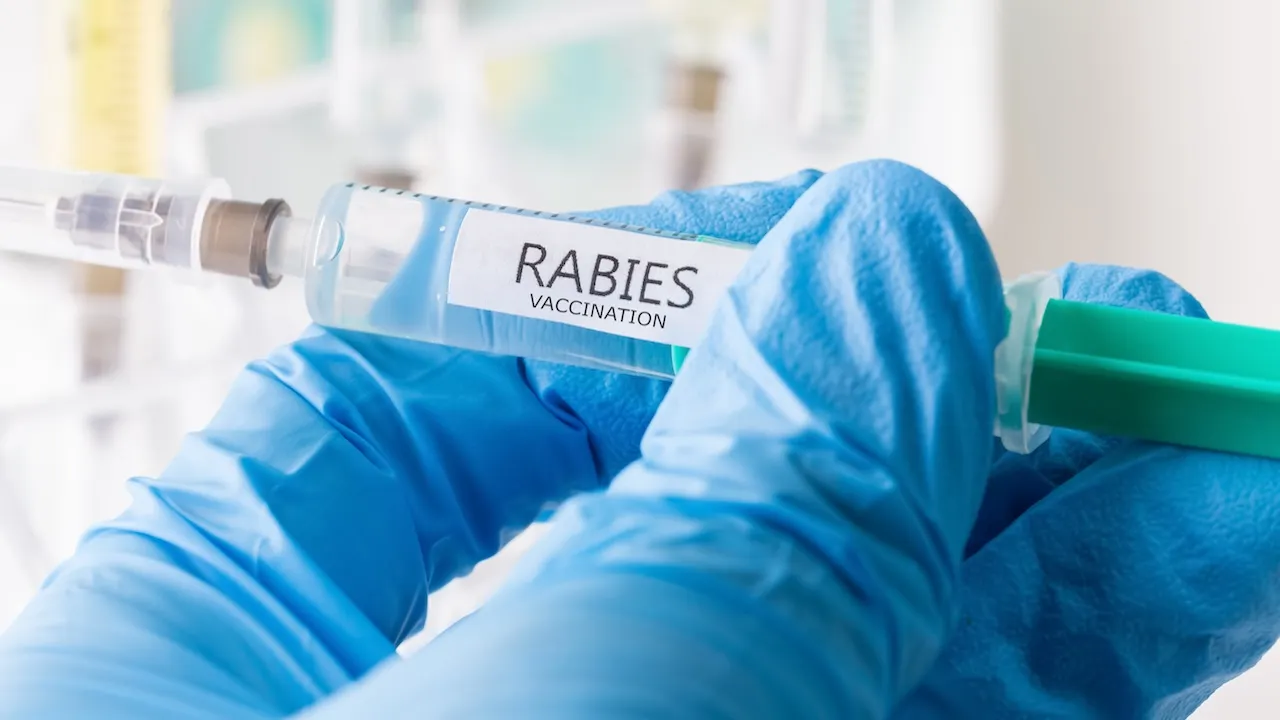
Rabies is almost always fatal in humans if not treated quickly with postexposure prophylaxis, or PEP. The treatment is nearly always successful if administered promptly after exposure.