

After enduring a prolonged period of setbacks, crime concerns, and deserted platforms, BART is finally witnessing signs of revitalization. However, the Bay Area’s beleaguered rail network still confronts a harsh financial future.
In a promising development, the Bay Area Rapid Transit system recorded its highest quarterly on-time performance in over ten years. According to the agency’s latest figures, 94.4% of passengers reached their destinations punctually during the initial three months of 2026.
March stood out as a particularly successful month, achieving the best on-time performance since 2013 and experiencing the fewest train delays for any March since 2014, discounting the pandemic years.
This progress coincides with a 15% increase in ridership compared to the previous year, amounting to 14.6 million trips for the quarter. This turnaround is a welcome change for a transit agency that has long struggled with perceptions of unkempt stations and criminal activity.
Commuters seem to be taking note of these improvements.
Customer satisfaction soared to 90%, a significant rise from the 70% recorded during the same timeframe in 2023, while complaints decreased by nearly 26% compared to the previous quarter.
Riders also gave BART’s trains and stations their highest ratings since the agency revamped its scoring system in 2023.
A major reason for the rebound: crime is finally falling.
According to the report, overall crime on BART dropped 42% compared to the previous year. Electronic robberies plunged 90%, electronic thefts dropped 68%, and auto burglaries fell 47%.
Police-related disruptions — once a constant source of delays — also dropped from nearly 3,000 incidents in 2023 to 955 this past quarter.
The agency credits the turnaround in part to a dramatic increase in police visibility after BART doubled the number of officers patrolling trains and stations in 2023.
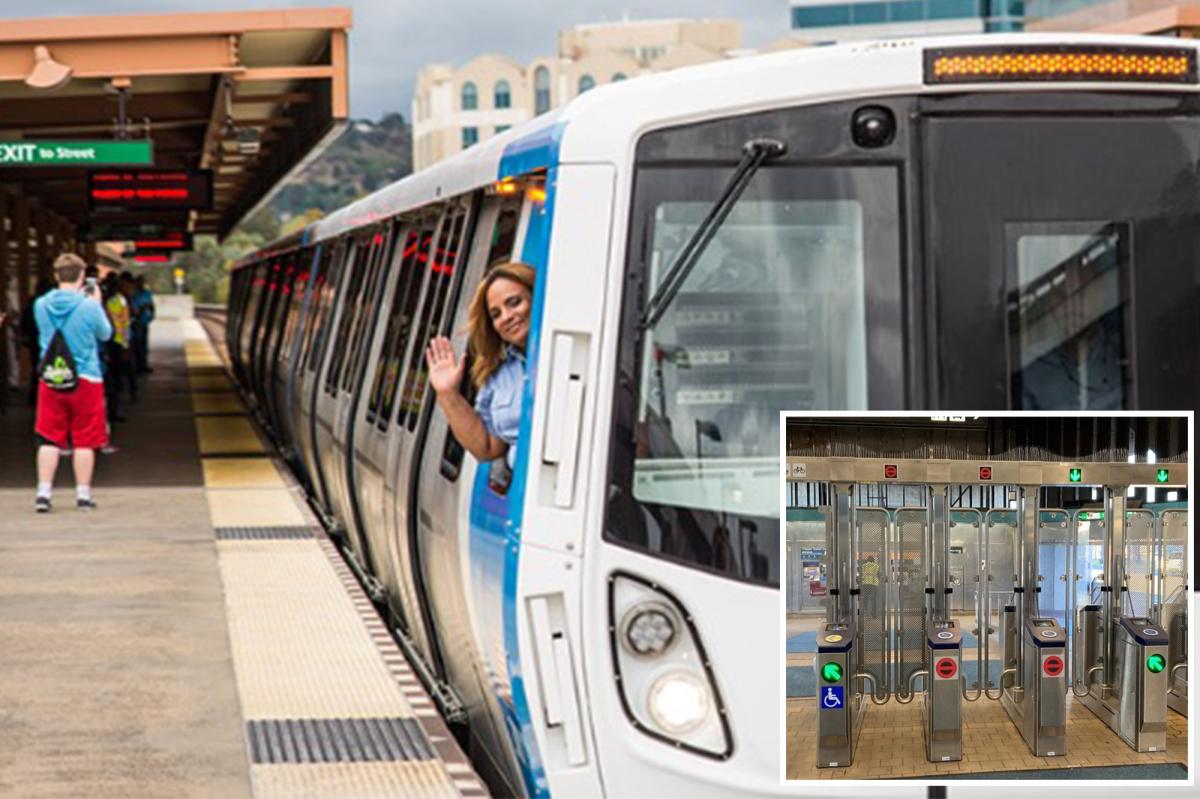
New fare gates also appear to be helping crack down on chaos in the system.
The taller barriers, designed to stop fare jumpers from squeezing through or vaulting over gates, helped reduce fare evasion sightings from 25% in fiscal year 2024 to just 10% last quarter, according to BART.
Officials estimate the gates are already generating roughly $10 million a year in recovered revenue.
The system also says reports of sexual harassment have been cut by more than half since late 2023 — a decline BART says lines up with the rollout of the new gates.
“These big things aren’t just statistics; they are the foundation of our ridership recovery,” said BART Manager of Operations Reliability Ryan Rod. “Because our riders are seeing a system that is cleaner, safer and on time, they are coming back, proving that when we deliver on our promises, the region responds.”
Still, despite the encouraging numbers, BART remains stuck in a massive financial hole.
The agency continues to face annual deficits between $350 million and $400 million after remote work reshaped Bay Area commuting patterns.
BART already balanced its current budget through $35 million in cuts and cost controls, but officials warn the fiscal year 2027 shortfall is still projected to hit $376 million.
Earlier this year, transit officials warned that without new taxpayer funding, the system could eventually be forced to slash service, close stations, cut operating hours and lay off workers — raising fears of a transit “doom loop” where worsening service drives away even more riders.
For now, though, BART appears to have at least slowed the downward spiral.
But the agency still has a long way to go before it can truly declare the comeback complete.


