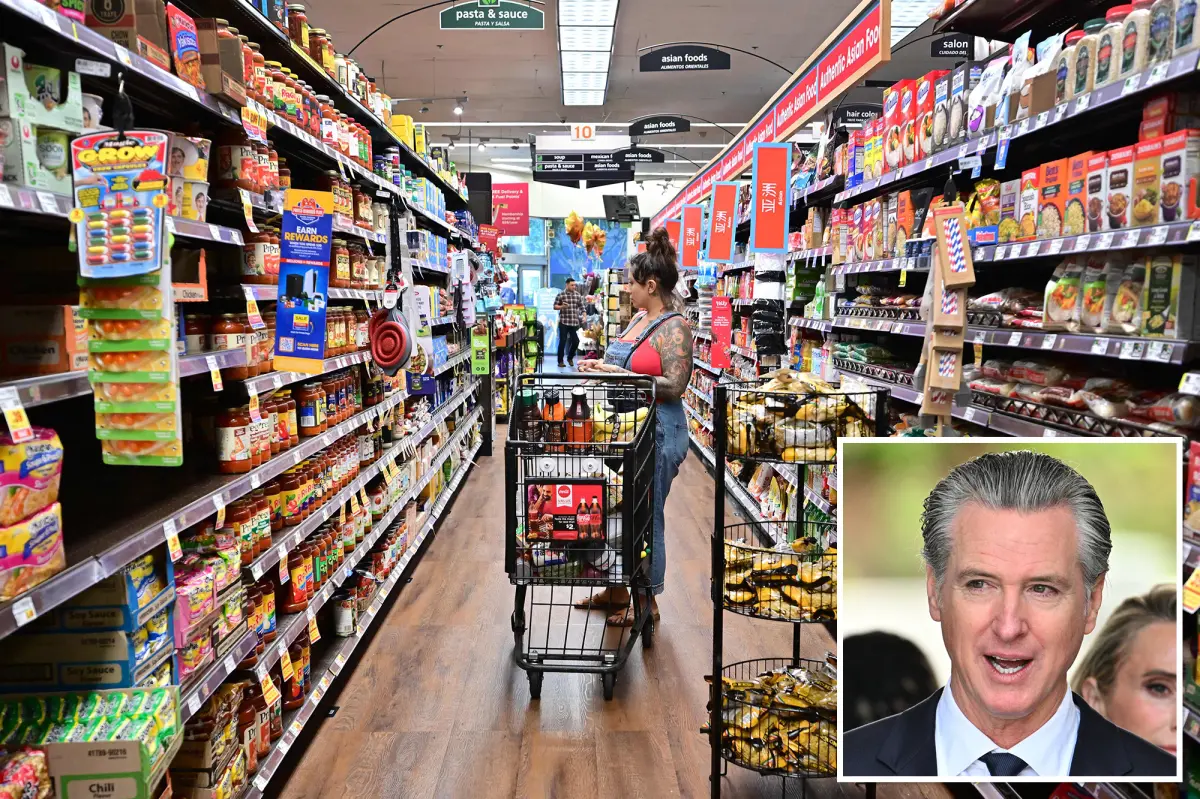

California shoppers may soon see a noticeable difference in the way packaged foods are labeled at the grocery store.
Beginning July 1, 2026, most packaged foods made for sale to consumers in the Golden State will no longer be allowed to carry “sell by” dates, under a new state law intended to cut down on food waste and make expiration labeling easier to understand.
The change comes through Assembly Bill 660, which establishes a uniform statewide system for food date labels. The measure replaces the mix of wording shoppers have long seen on packaging, including phrases like “sell by,” “freshest by” and “expires on.”
In their place, consumers will generally encounter two standardized labels.
A “BEST if Used by” date will signal when a product is expected to be at peak quality or flavor, while a “USE by” date will point to a food safety cutoff. For smaller packages and some beverages, the law allows abbreviated versions: “BB” and “UB.”
The requirements apply to foods manufactured on or after July 1, 2026.
Businesses that keep using consumer-facing “sell by” dates on products made after that deadline will not be permitted to sell those items in California. However, coded dates used behind the scenes for inventory and stock management will still be allowed.
EXCLUSIVE: Iowa TV Anchor Breaks Down On-Air as He Quits Journalism and Blasts His Station
State officials say the update targets a widespread and expensive problem: many consumers throw away food that is still safe to eat because date labels are confusing or misunderstood.
The California Department of Food and Agriculture says “sell by” labels were originally intended to help retailers manage stock, not to tell shoppers when food becomes unsafe to eat. The agency argues that removing the phrase from packaging will reduce confusion and prevent usable food from ending up in landfills.
The legislation makes California the first state in the nation to require standardized food date labeling and ban consumer-facing “sell by” dates outright. Supporters hope the move could eventually become a model for the rest of the country.
Currently, there is no comprehensive federal standard governing most food date labels, leaving manufacturers free to use dozens of different phrases. Industry experts estimate more than 50 date-related terms are in circulation nationwide, contributing to widespread consumer confusion.
Consumer advocates and food waste groups have welcomed the change, arguing that shoppers often mistake quality dates for expiration dates.
Under the new system, a package that has passed its “BEST if Used by” date may still be safe to eat if it has been stored properly and shows no signs of spoilage. Only products labeled with “USE by” are intended to communicate a food safety cutoff.
Manufacturers, processors and retailers have spent months updating packaging ahead of the deadline, racing to ensure products shipped into California comply with the state’s requirements. Failure to do so could expose businesses to penalties or prevent products from being sold in the state’s massive consumer market.
For shoppers, the transition is expected to be simple: fewer labels, fewer guesses — and, state officials hope, a lot less food ending up in the trash.
Download The California Post App, follow us on social, and subscribe to our newsletters