
Share this @internewscast.com
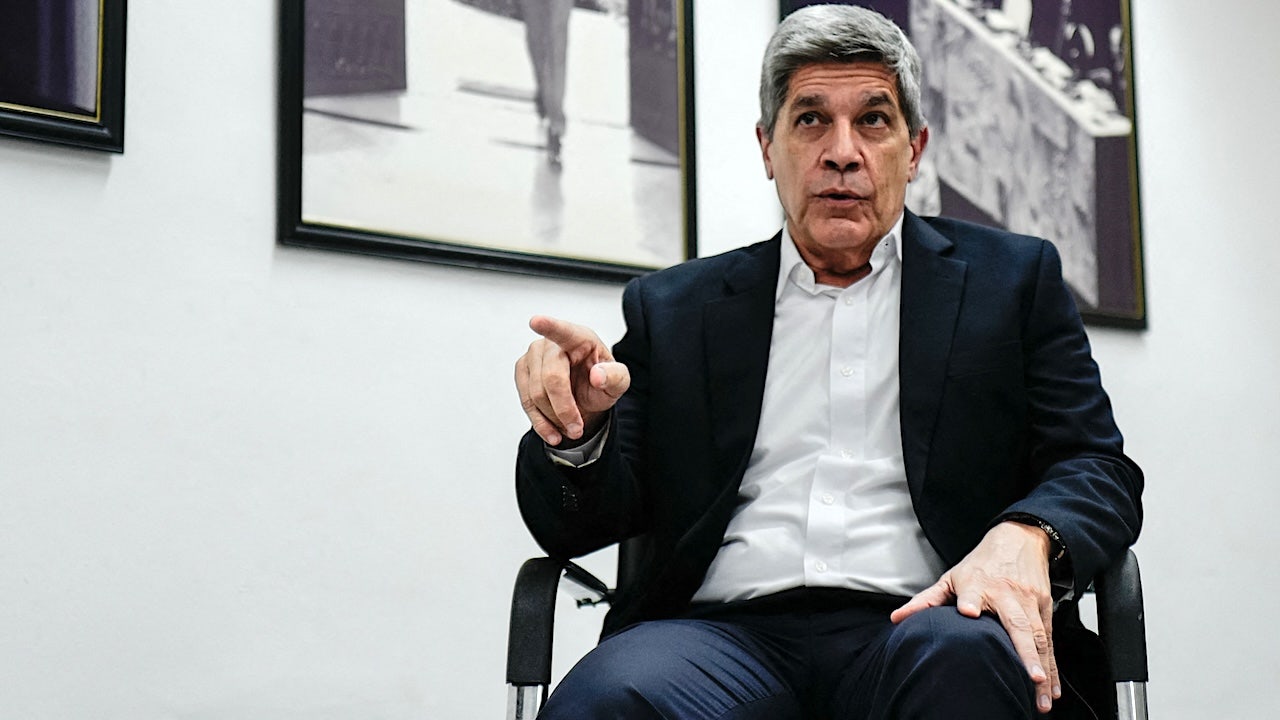
Cuba is currently bracing for potential U.S. military actions, despite recent assurances from the Trump administration that no invasion plans are on the table, according to Cuban Deputy Foreign Minister Carlos Fernández de Cossío.
Speaking on NBC News’ “Meet the Press” on Sunday, Fernández de Cossío stated, “Our military maintains readiness and is actively preparing for the possibility of any military aggression.”
“Given the global climate, it would be unrealistic not to take such precautions,” he added.
He expressed hope that such a scenario would not unfold. “We see no necessity for it to happen and no justification. It perplexes us why the United States would consider military action against a neighboring country like Cuba,” Fernández de Cossío explained.
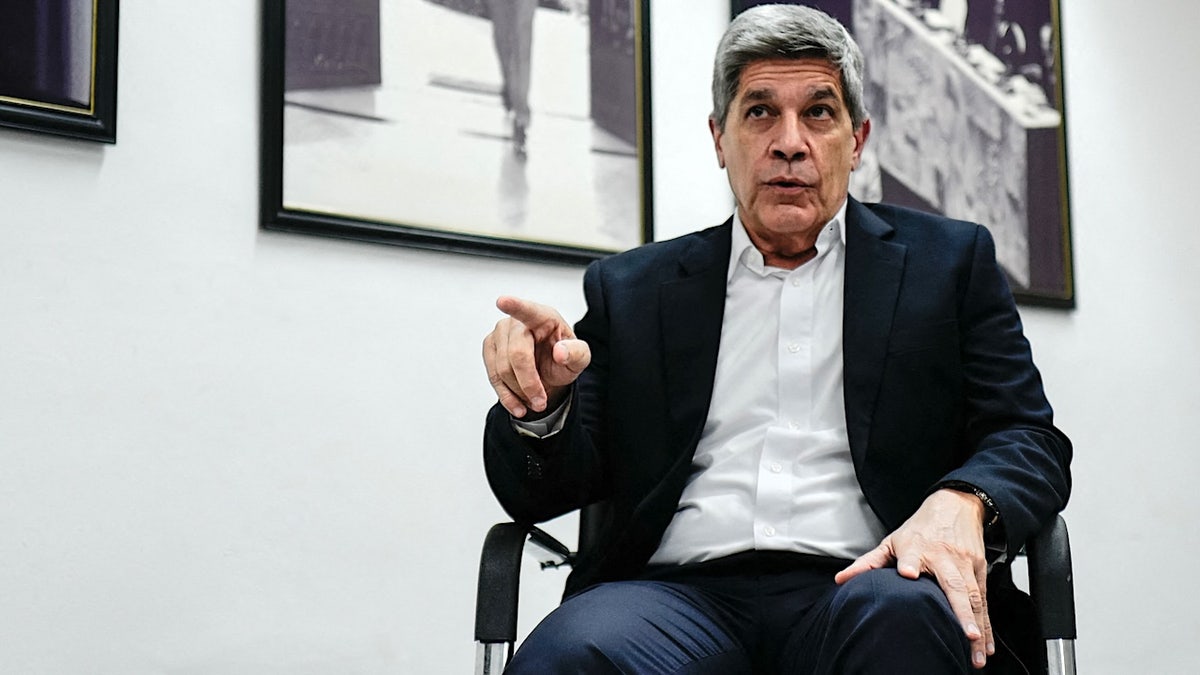
Firmly standing against any attempts at regime change led by President Donald Trump, the Cuban Foreign Minister emphasized his country’s resolve, stating, “Absolutely, we will resist any efforts to force change upon us.”
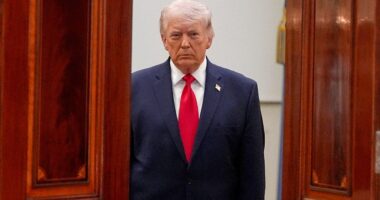
These comments arise shortly after President Trump remarked that it would be “a big honor” for him to be the president who “takes Cuba.”
“Taking Cuba in some form, yeah, taking Cuba – I mean, whether I free it, take it: I think I can do anything I want with it, you want to know the truth,” Trump said, despite the fact Secretary of State Marco Rubio stressed diplomacy with the failing regime over any talk of an invasion as Trump’s statement might suggest.
“They’re in a lot of trouble, and the people in charge, they don’t know how to fix it,” Rubio said this week. “So they have to get new people in charge.”
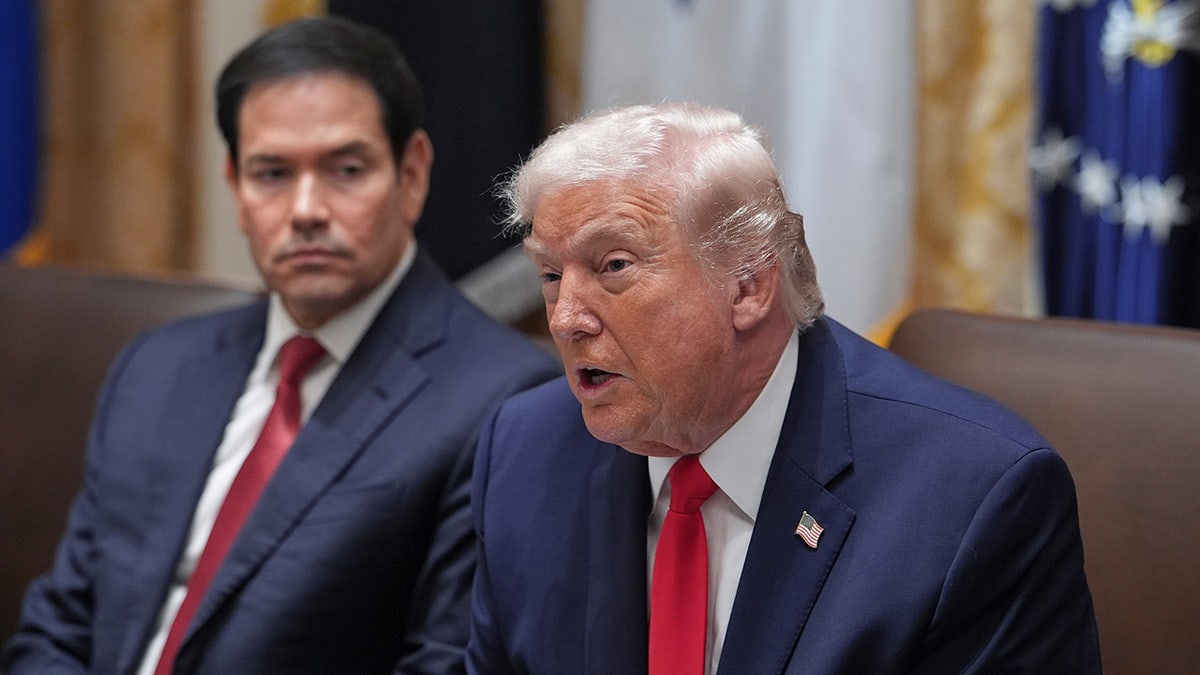
Secretary of State Marco Rubio and President Donald Trump have both expressed repeated hope that Cuba would be freed from its long-standing dictatorship. ((AP Photo/Evan Vucci))
But Fernández de Cossío said Cuba is “absolutely” opposed to regime change, signaling defiance of Trump and Rubio’s public statements and setting the stage for potential military action down the road.
“Our country has historically been ready to mobilize, as a nation as a whole, for military aggression,” Fernández de Cossío told NBC’s Kristen Welker. “We truly always see it as something far from us. We don’t believe it is something that is probable. But we would be naive if we do not prepare. That’s what I can tell you.”
Asked whether Cuba was bracing for the United States “to take it in some form,” Fernández de Cossío answered: “Truly, we don’t know what they’re talking about.”
“But I can tell you this: Cuba is a sovereign country and has the right to be a sovereign country and has the right to self-determination,” he added. “Cuba would not accept to become a vassal state or a dependent state from any other country or any other superpower.”
Fernández de Cossío said Cuba was prepared to negotiate with Rubio despite the secretary of state’s longstanding criticism of the Cuban government.
“We are ready to negotiate with the person that the U.S. government, as a sovereign nation, designates as their spokesperson, as their lead negotiator, and we’re ready to negotiate with whoever is designated by the U.S. government,” he said. “They’re a sovereign nation. We don’t interfere with that.”
Throughout the interview, the Cuban diplomat cast Havana’s position as defensive, saying Cuba “has no quarrel with the United States” and wants “a respectful relationship,” while blaming the island’s worsening energy and economic crisis on U.S. pressure, including efforts to choke off fuel supplies. Recent reporting has documented Cuba’s deepening blackout crisis and the Trump administration’s increased efforts to isolate the government economically.
“What does ‘on its own’ mean when it’s being forced by the United States?” Fernández de Cossío said when asked about Trump’s claim that Cuba could collapse on its own. “It’s a very bizarre statement.”
His closing message to Trump was conciliatory, even as he warned that Cuba was preparing for the worst.
“Cuba has no quarrel with the United States,” Fernández de Cossío said. “We do have the need and the right to protect ourself.
“But we are willing to sit down, we’re open for business, and we’re all being open to having a respectful relationship that I’m sure the majority of Americans would support and I’m sure the president of the United States would support if we could sit down and talk meaningfully about it.”