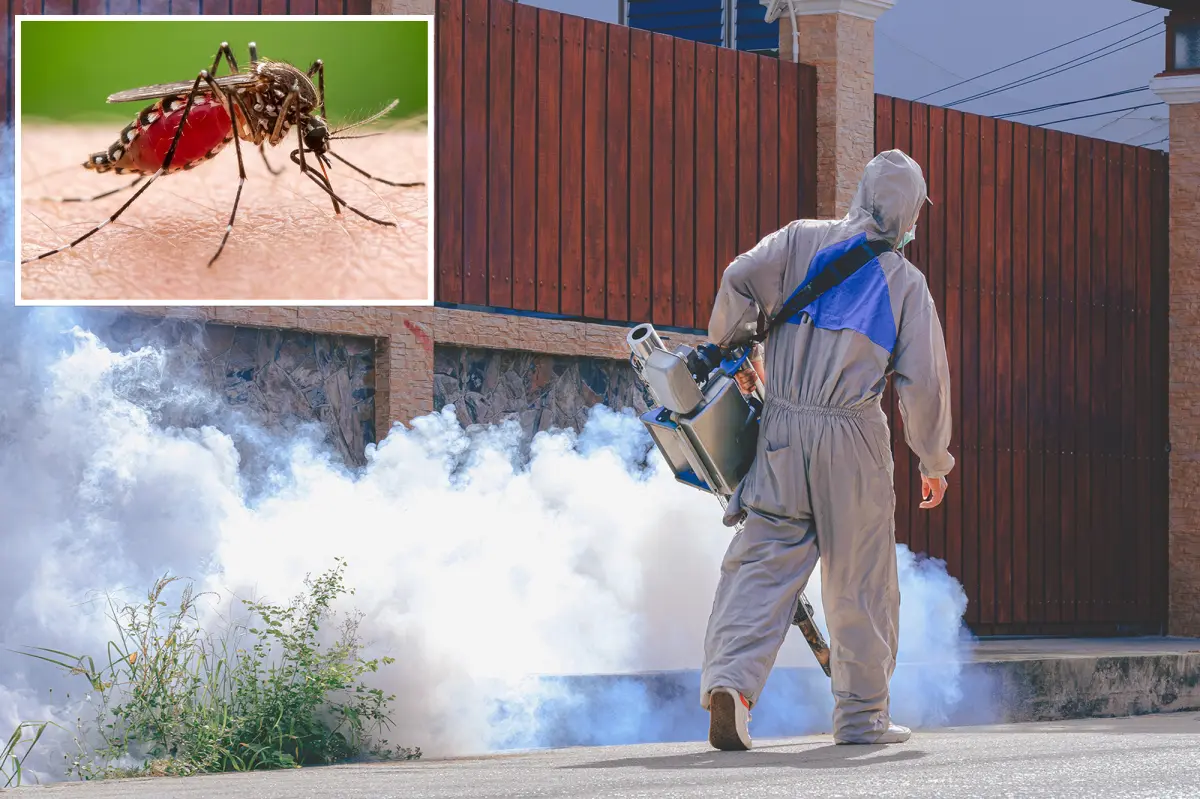

Florida health officials have recorded 485 locally acquired dengue fever cases this year, marking the state’s largest outbreak in decades.
State surveillance identified 60 additional infections between Oct. 18 and Oct. 24. The Tampa Bay region accounted for about 95% of all locally acquired cases reported across Florida, according to the Florida Department of Health.
The increase led Hillsborough, Pasco and Pinellas counties to declare states of emergency in late September. Those declarations enabled officials to accelerate mosquito-control purchases and spraying while seeking state and federal reimbursement. Hillsborough County has extended its local state of emergency as transmission continues.
Locally acquired infections are distinct from the more than 300 dengue cases linked to travel that Florida has reported this year.
The Florida Mosquito Control Association said abatement crews are expanding targeted ground spraying, aerial treatments and inspections of properties in affected areas.
What is dengue fever?
Dengue is a viral disease spread mainly by bites from infected Aedes aegypti and Aedes albopictus mosquitoes. The illness may cause fever, intense muscle and joint pain, nausea and a rash. In severe cases, it can lead to life-threatening complications or death, according to the Centers for Disease Control and Prevention.
Unlike many mosquitoes, which are most active around dawn and dusk, the species that transmit dengue typically bite during the day. They also flourish in Florida’s warm, humid residential areas.
“The Aedes mosquitoes that can transmit dengue are active during the day and thrive in warm, humid environments like those found in Florida,” an entomologist spokesperson at the SC Johnson Center for Insect Science and Family Health previously told Fox News Digital.
“Staying aware of local mosquito activity and consistently protecting against bites are important steps people can take to help reduce their risk.”
Health officials describe Aedes mosquitoes as “container breeders” because they can lay eggs in as little as a tablespoon of standing water. Residents are urged to check their properties every week and empty or cover birdbaths, gutters, planters, old tires and other outdoor containers.
Public health authorities also recommend the following measures to reduce the risk of mosquito bites:
- Use EPA-registered repellent: Apply products containing active ingredients such as DEET, picaridin or oil of lemon eucalyptus, and follow the directions on the label.
- Apply products in the right order: If using sunscreen and insect repellent, put on sunscreen first and apply repellent afterward.
- Protect exposed skin: Choose loose-fitting, light-colored clothing, including long sleeves, long pants and closed-toe shoes, when spending time outdoors.
- Remove standing water: Empty and scrub outdoor containers regularly to prevent mosquitoes from breeding.
Most people who contract dengue develop mild symptoms or none at all and recover within about two weeks, according to the Mayo Clinic.
For those who do become ill, symptoms generally appear four to 10 days after an infected mosquito bite. Severe dengue may worsen quickly—within 24 to 48 hours after the fever subsides.
Emergency warning signs include ongoing vomiting, intense abdominal pain, trouble breathing, bleeding from the nose or gums or other mucous membranes, and extreme tiredness.
Anyone who develops these symptoms should seek emergency medical attention without delay.