
Flash flooding has become a significant concern recently, with Texas, North Carolina, Illinois, and New Mexico experiencing unprecedented flood events occurring in rapid succession nationwide.
On July 4, Texas faced slow-moving thunderstorms that delivered more rainfall than typically seen throughout an entire summer, resulting in rivers overflowing and tragically claiming the lives of at least 120 individuals.
During the same weekend, Tropical Storm Chantal blanketed central North Carolina with nearly twelve inches of rain. The Eno River’s waters surged to over 25 feet, breaking the record set by Hurricane Fran in 1996, and the flooding resulted in at least six fatalities.
Tuesday brought both a 1-in-1,000-year rainfall event to Chicago and storms that caused unprecedented levels of flooding in the mountain village of Ruidoso, New Mexico, that swept away homes and left three people dead.
These events were all extreme and came in quick succession – here’s why they happened now and why floods are becoming more intense.

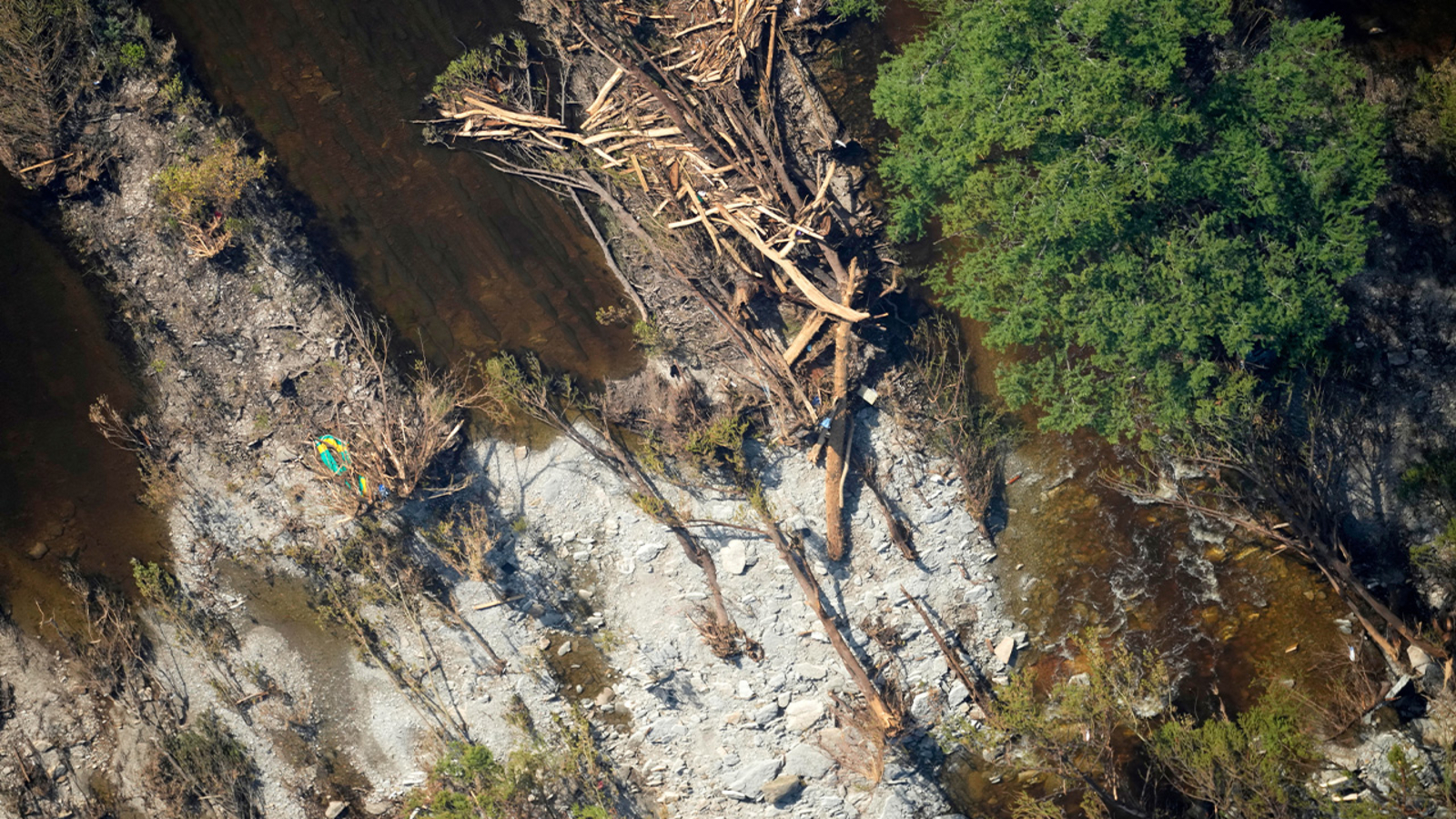
This aerial photo shows damage from flash floods along the Guadalupe River in Kerr County, Texas, Thursday, July 10, 2025.
AP Photo/Gerald Herbert
Summer is flash flood season
Flash floods are most common in the summer months, when intense daytime heat helps fuel thunderstorms. Warmer air can also hold more moisture, giving storms more potential to produce higher rainfall rates than when temperatures are cooler.
In Texas, storms were fueled by record levels of atmospheric moisture lingering from the remnants of Tropical Storm Barry. In North Carolina, Chantal’s tropical moisture played a similar role, helping to drive the intense rainfall that led to deadly flash flooding.
Summer storms also tend to move more slowly. That’s partly because upper-level winds in the atmosphere weaken during summer when there’s less of a temperature difference between the equator and the Earth’s poles and the jet stream shifts farther north.
When storms slow down or stall, rain can pile up over the same area for hours and fall faster than the ground can absorb it or infrastructure can drain it, setting the stage for a flash flood.
That’s what happened in Texas’ Hill Country, where a nearly stationary thunderstorm dumped over 7 inches of rain, and in Chicago, where a stalled storm system dropped as much as 5 inches of rain in just 90 minutes, quickly inundating low-lying streets and some homes.
In urban areas, pavement and asphalt can cause even more problems, keeping water from soaking into the ground and sending it instead toward storm drains that can quickly overflow or become clogged with debris.
A history of wildfires also increases an area’s risk of flash flooding, as Ruidoso has seen since last summer’s devastating South Fork and Salt Fires. When vegetation burns away, landscapes lose their natural ability to absorb and slow down rainwater. On top of that, the extreme heat of a fire can alter the soil itself, creating a water-repellent layer just below the surface.
Rainfall on this “burn scarred” land tends to run off rapidly – especially in steep terrain – increasing flash flooding risks even if a storm’s rainfall isn’t extreme. Ruidoso and nearby areas have been under at least 12 separate flash flood emergencies since the 2024 wildfires.
Droughts have a similar effect: When soil dries out over long periods, it can become compacted or even crusted over, reducing its ability to absorb water. Severe to extreme preexisting drought conditions helped amplify flooding in both Texas and New Mexico over the past week.
…and climate change is making it worse
Climate change from fossil fuel pollution is amplifying the conditions that make flash floods more likely and more severe.
For every degree Celsius (about 2 degrees Fahrenheit) of warming, the atmosphere can hold roughly 7% more water vapor – giving storms more fuel for intense rainfall. And as the overall global temperature increases, moisture-rich air that was once confined to the warm tropics can reach farther from the equator, bringing intense, tropical rainfall to more parts of the world.
At the same time, wildfires and droughts are becoming more frequent and severe as the world warms, leading to more burn scars and flood vulnerability in fire-prone regions.

The frequency of heavy rainfall events has increased as much as 71% in some parts of the US as the world warms.
Graphic | CNN Weather
Hourly rainfall rates have grown heavier in nearly 90% of large US cities since 1970, according to a recent study from the nonprofit research group Climate Central.
In Chicago, for example, the average intensity has gone up 8%, and Tuesday’s staggering rainfall rates surpassed records set in the 1970s for the city’s most extreme short-duration rainfall.
Many of the nation’s roads, sewers and drainage systems were not designed to handle the kind of rainfall events that are now becoming more common.
Flash flooding has always been a summertime threat, but the risks are evolving. As the atmosphere warms and rainfall patterns continue to shift, more communities could face extreme rainfall events in the years ahead.