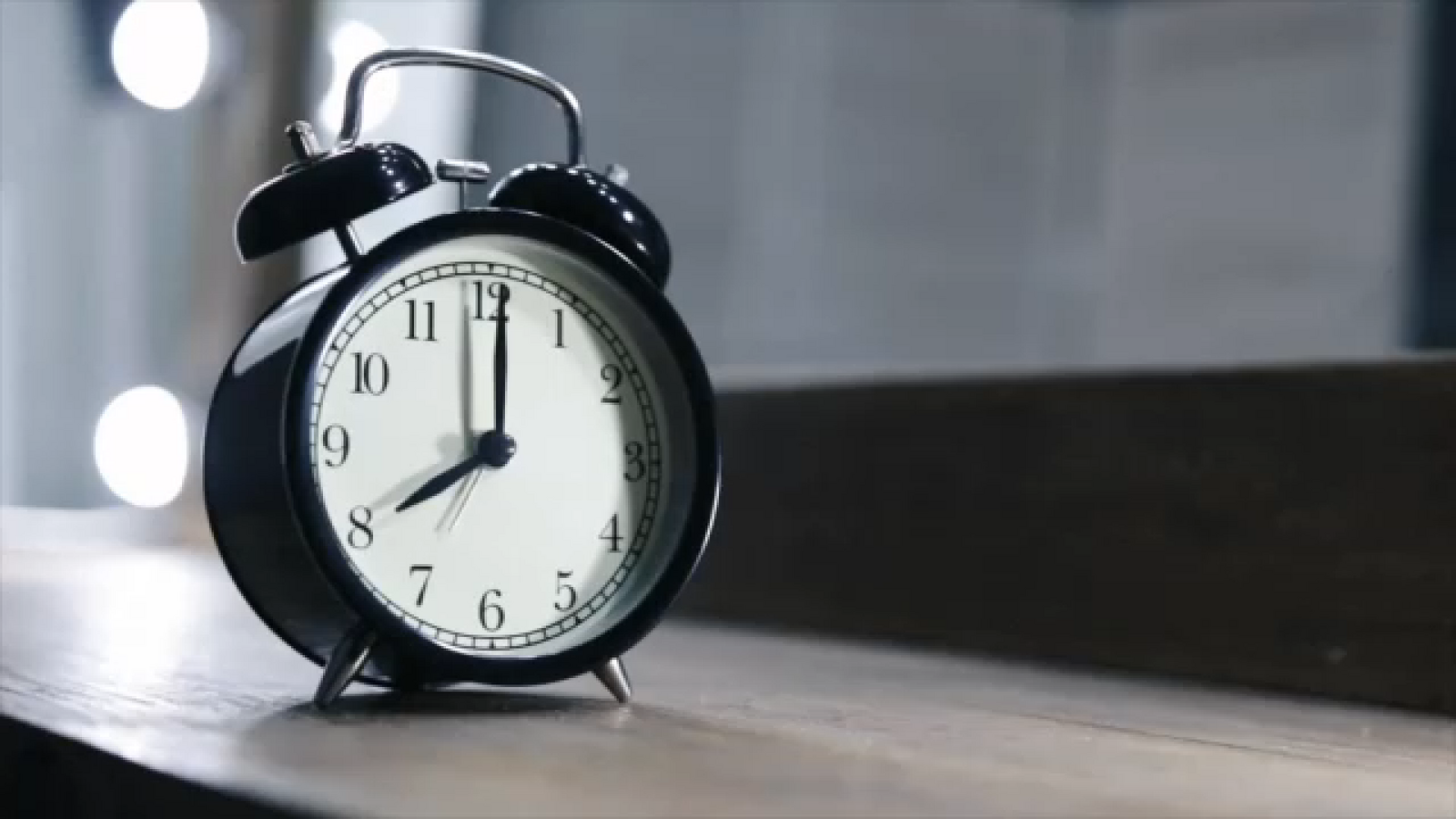

It is a proposal that may be having its moment — once again.
The familiar ritual of changing clocks twice a year in the United States could eventually disappear if a bill now before Congress, aimed at making daylight saving time permanent, becomes law. Still, while many Americans grumble about losing or gaining an hour each spring and fall, history suggests that settling on one time year-round is not automatically popular. The country has experimented with permanent daylight time before, most notably in the 1970s, and the plan was short-lived.
This debate, however, is unfolding in a very different America — one shaped by remote work, changing daily routines and a deeper scientific understanding of how sleep, light and circadian rhythms affect health.
So could this attempt to end the clock change finally be the one that sticks?
What’s going on this time around?
On Tuesday, the House of Representatives voted by a wide margin to approve legislation that would lock in daylight saving time permanently, keeping clocks one hour ahead throughout the year.
Under the current system, clocks spring forward in March and return to standard time in the fall, a practice designed to extend evening daylight during the warmer months. But public enthusiasm for the twice-a-year time change is limited. An AP-NORC survey last year found that just 12% of U.S. adults supported the clock-switching tradition, while nearly half opposed it. Among those backing a move to one consistent time are major health groups, including the American Medical Association and the American Academy of Sleep Medicine, which have long emphasized the importance of stable daily rhythms.
President Donald Trump has signaled support for the idea, though the bill’s path forward remains uncertain. In the Senate, the measure faces resistance, including from some Republicans who have raised strong objections.
RELATED: USPS Advances Mail-In Voting Change to Boost Election Integrity
Arkansas Sen. Tom Cotton, a member of the Republican leadership team, has been one of the most vocal critics. Last year, he warned that making the change permanent would “make winter a dark and dismal time for millions of Americans.”
What’s the big deal with changing it?
While people may not like making the change, history shows they also don’t like living with even less morning light in the winter months, when daylight hours are shorter than in summer.
In 1973, Congress passed a law instituting permanent daylight saving time for what was supposed to be a trial period from January 1974 to April 1975. It lasted until October, when it was repealed after public outcry. Among the concerns was worry that schoolchildren would have to start the school day without daylight. These days, some school starting times have started to shift later.
Kevin Birth, a professor of anthropology at Queens College whose research focuses on cultural concepts of time, was in elementary school in Syracuse, New York, at the time and remembers it vividly. “I had to get up for school, and it was like it was midnight,” he said. “It was just pitch black, and it remained pitch black into the school day.”
If the U.S. decides to try it again, he said, more has to change than just the clocks. The time zones across the country would need to be adapted as well. The current four zones wouldn’t be adequate – they cover so much ground that sunrise comes at different times in western and eastern parts of each zone.
Republican South Dakota Sen. Mike Rounds is concerned about that. He said that it would be dark past 9:30 a.m. in some areas of his state. “You’d be sending kids to school in the dark,” he said.
Copyright © 2026 by The Associated Press. All Rights Reserved.