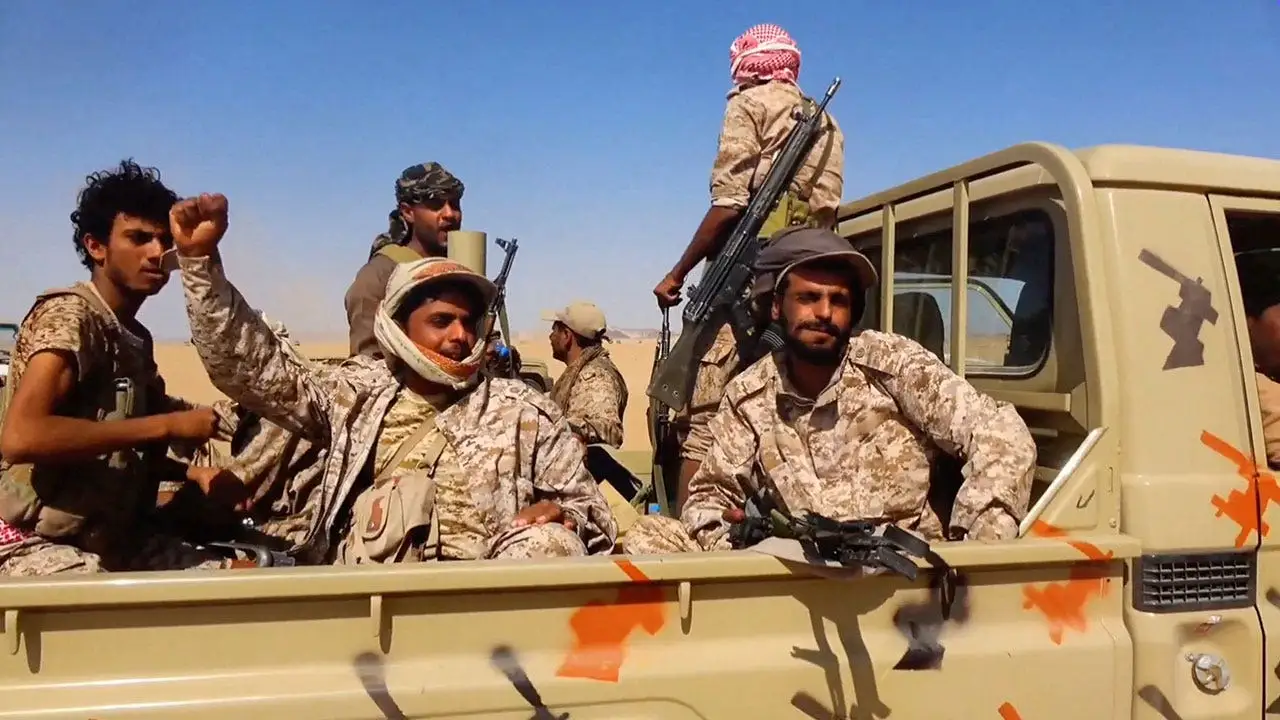

The Houthis’ swift push toward one of the world’s most critical maritime chokepoints is drawing renewed attention to the vast financial infrastructure that has helped turn the Iran-backed movement from a Yemeni insurgency into a heavily armed regional force capable of disrupting global commerce.
The group has captured additional territory along Yemen’s Red Sea coastline, including the strategically important port of Mocha, while extending its reach toward the Bab el-Mandeb Strait. The passage links the Red Sea with the Gulf of Aden and handles a substantial portion of international shipping and energy traffic.
For the Trump administration, the Houthi advance presents a financial challenge alongside the military threat. Washington is stepping up efforts to disrupt the funding that supports Iran and its allies, yet the Houthis have developed an extensive sanctions-evasion system while controlling ports, commercial corridors and millions of people in Yemen. That leaves Treasury officials facing a delicate problem: how can they cut the group’s revenue without also blocking food, fuel and other essential supplies reaching civilians?
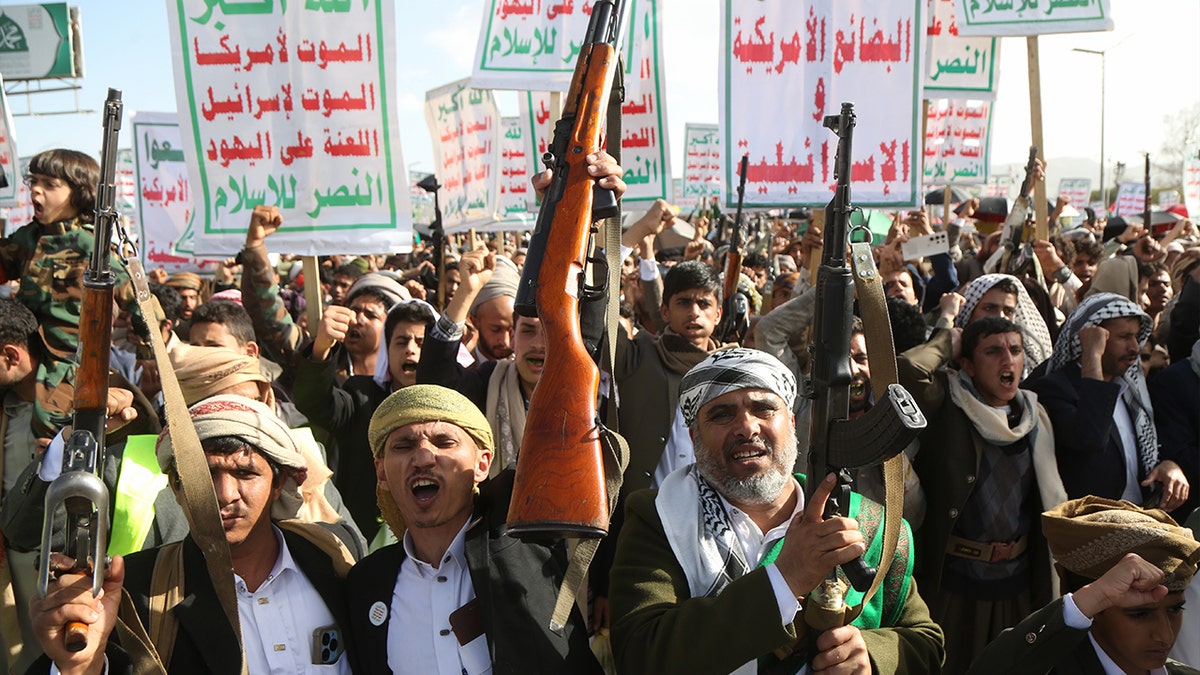
Yemen’s Iran-backed armed Houthi group has warned they will move to shutter the Bab Al-Mandeb Strait through missile-drone attacks if Gulf nations join the U.S.-Israel war on Iran. (Mohammed Hamoud/Getty Images)
The Houthi financial system reaches well beyond Yemen’s borders, according to Adam Rousselle, founder of Between the Lines Research.
“We’re dealing with a very well-capitalized group,” Rousselle told News Outlet.
In a 2025 investigation for the Global Network on Extremism and Technology, Rousselle mapped a funding structure involving Houthi-controlled ports, customs charges, Iranian oil, informal hawala transfer networks, cryptocurrency platforms and overseas intermediaries operating in Russia, Turkey and Southeast Asia.
Ports have long been a major source of Houthi income because Yemen relies heavily on imported goods. According to Rousselle’s GNET report, the group has levied sizable port charges in areas under its control and imposed tariffs on products entering Houthi-held territory from ports controlled by rival Yemeni factions.
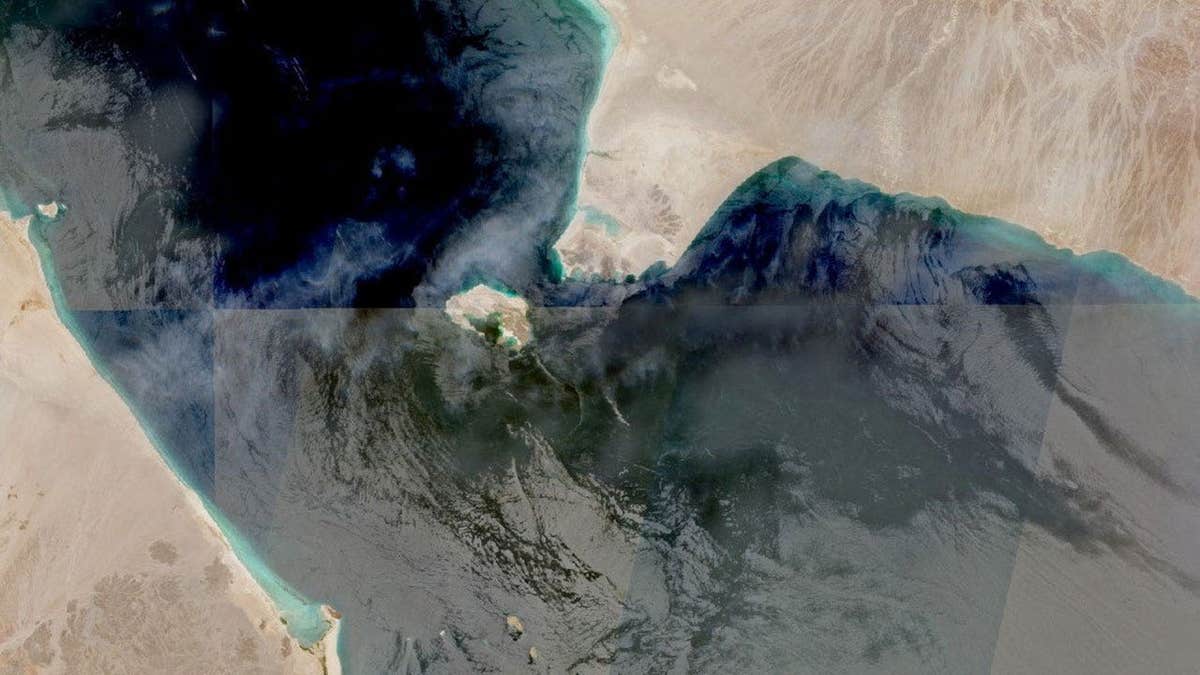
Satellite imagery shows Bab el Mandeb Strait, a key shipping waterway and the gateway to the Red Sea, in this handout picture dated July 12, 2026. (Nasa Worldview/Handout via Reuters)
The Houthis’ latest territorial expansion could further enlarge that economic foundation.
Nadwa Al-Dawsari, a Yemen specialist and associate fellow at the Middle East Institute, told lawmakers during Sept. 1 testimony before the House Foreign Affairs Committee that territorial control is crucial to the Houthis’ ability to resist external pressure.
“The most important source of that leverage is territory,” Al-Dawsari testified. “The Houthis have been able to consolidate their power and build increasingly sophisticated military capabilities because they control significant territory, a large population, ports, infrastructure, and resources.”
“That territorial base allows them to recruit, generate revenue, manufacture and store weapons, control smuggling routes, and regenerate capabilities degraded by airstrikes and sanctions,” she added.
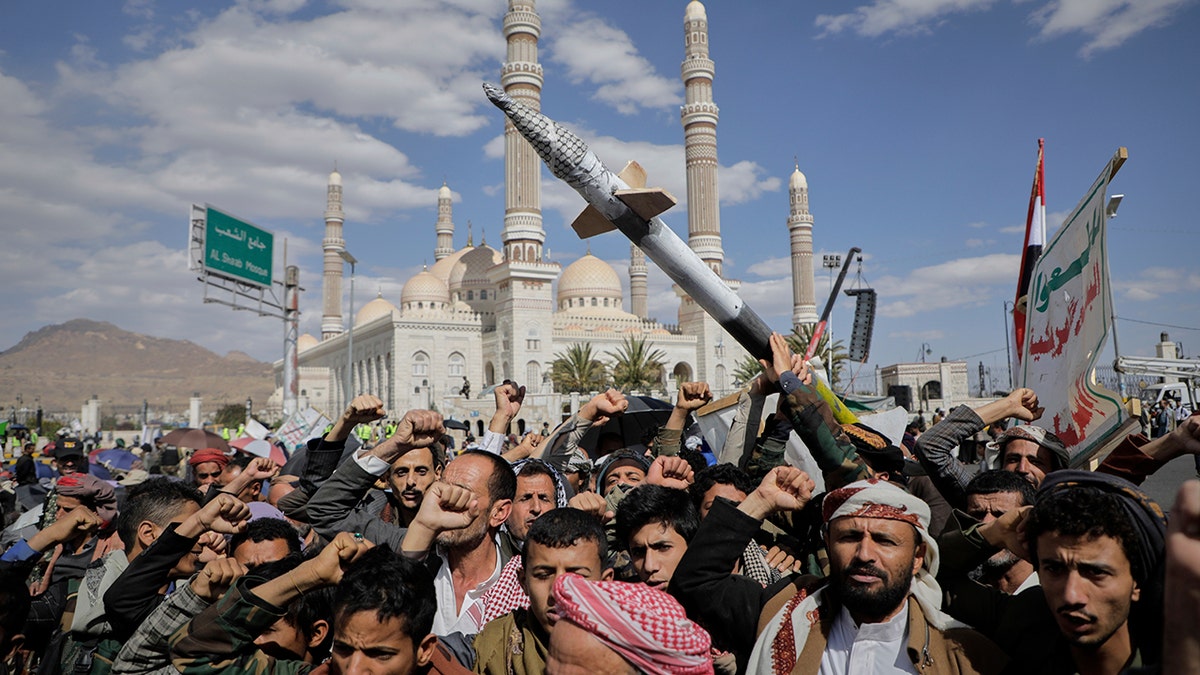
Houthi supporters chant slogans during an anti-U.S. and anti-Israel rally in Sanaa, Yemen, March 17, 2025. (AP Photo/Osamah Abdulrahman)
Rousselle cautioned that the Houthis’ financial power should not be viewed merely as a case of Tehran transferring money to an Iranian proxy.
“It’s a bit of a misunderstanding that the Iranians just give them money,” he said, describing the Houthis instead as embedded in a broader Iranian commercial ecosystem.
“The Houthis aren’t sanctions-proof; they’re sanctions-adapted,” Miad Maleki, senior fellow at the Foundation for Defense of Democracies, told News Outlet. “Most of their money is made inside Yemen — customs and taxes at Hodeidah and Ras Isa, and fuel above all.”
Treasury has estimated that the Houthis generate more than $2 billion a year from oil sales, while Iran provides the group with a free monthly oil shipment through Iranian-owned or affiliated companies based in Dubai. Treasury has also documented Houthi revenue from taxes imposed on petroleum imports.
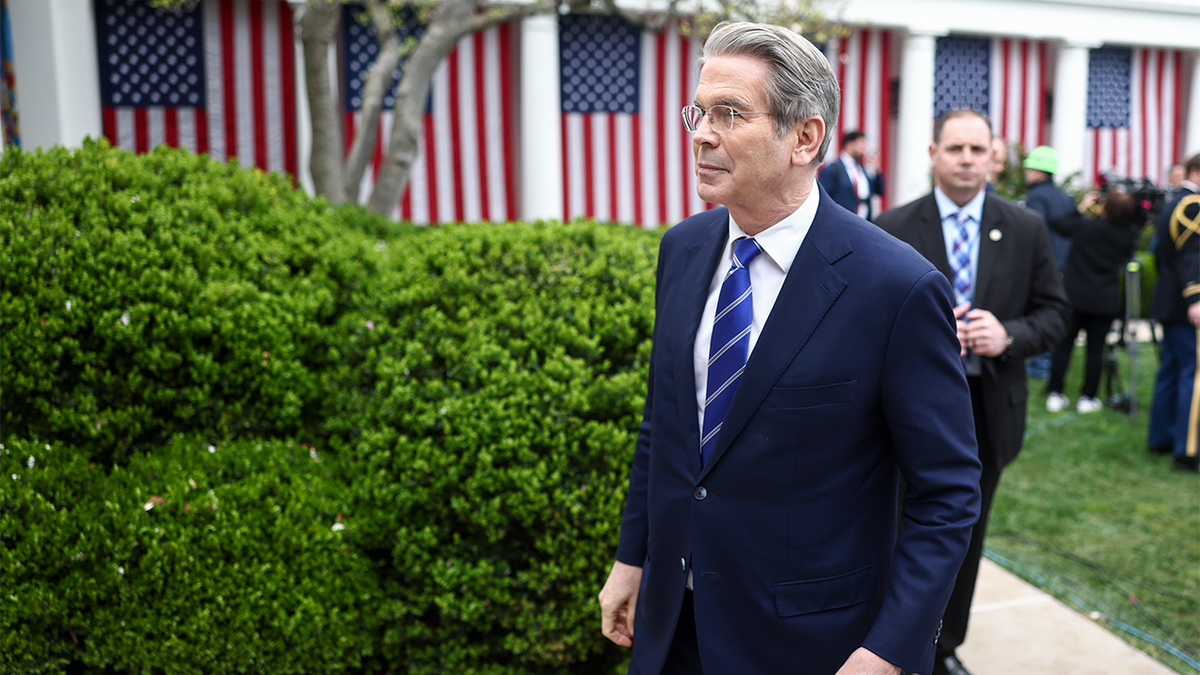
Scott Bessent, Treasury secretary, departs following a tariff announcement in the Rose Garden of the White House on April 2, 2025. (Jim Lo Scalzo/EPA/Bloomberg via Getty Images)
“Sanctions can’t reach domestic extraction,” Maleki said. “What they can reach is the plumbing between Sana’a and the outside world; the exchange houses, the Dubai and Muscat correspondents, the tankers and the wallets.”
At the center of that system is Sa’id al-Jamal, whom the Treasury Department has identified as an Iran-backed Houthi financial official operating an international network that sells Iranian commodities and channels proceeds toward the group.
Treasury said in April 2025 that al-Jamal’s network had procured tens of millions of dollars in weapons, sensitive goods and commodities from Russia and identified eight digital-asset wallets used by the Houthis. Blockchain analytics cited in Rousselle’s GNET research identified nearly $900 million in outflows across those addresses.
Rousselle cautioned against treating that figure as a complete picture of Houthi wealth.
“The system is more important than the number itself,” he said, describing the network as fluid and difficult to quantify.
Russia, he argued, has become a particularly significant part of the network. “The Russians are definitely more hands-on in their support,” Rousselle said.

Houthi supporters demonstrate in solidarity with Iran, in Sanaa, Yemen, April 10, 2026. (Khaled Abdullah/Reuters)
Al-Dawsari’s congressional testimony similarly highlighted the Houthis’ expanding relationships beyond Iran, saying the group is “deepening ties with other U.S. adversaries, particularly Russia and China.”
She cited reports that Russia provided targeting data used to help the Houthis attack Western ships in the Red Sea and that Russian petroleum products were transferred ship-to-ship into a Houthi-controlled tanker before reaching the Houthi-controlled port of Ras Isa.
The China connection is more complicated. Rousselle said Chinese-linked private commercial actors appear in parts of the network but distinguished that activity from proven direct Chinese government involvement.
“The Chinese are kind of… turning a blind eye,” he said.
His GNET report described Iranian oil flowing to privately owned Chinese “teapot” refineries and examined transactions linked to Southeast Asian financial networks, while cautioning that the available evidence did not establish direct Chinese government control of Houthi financing.
Al-Dawsari pointed to a broader Chinese role in Houthi supply chains. Citing U.S. officials, she said a Chinese satellite company with ties to the Chinese military provided satellite imagery supporting Houthi attacks against U.S. warships and international shipping. She also cited interdiction data showing that 60% of the components and materials used in the Houthi Qasef-2K drone came from China, compared with roughly 15% from Iran.
That sprawling network is now testing Treasury Secretary Scott Bessent’s broader effort to isolate Tehran economically and disrupt the financial channels sustaining Iran and its proxies.
Rousselle said decentralized illicit-finance networks present a fundamental challenge.
“You’re dealing with a ‘you shut down one, another pops up’ kind of situation,” he said.
Maleki argued that Washington should concentrate on the points where Houthi money intersects with the formal financial system.
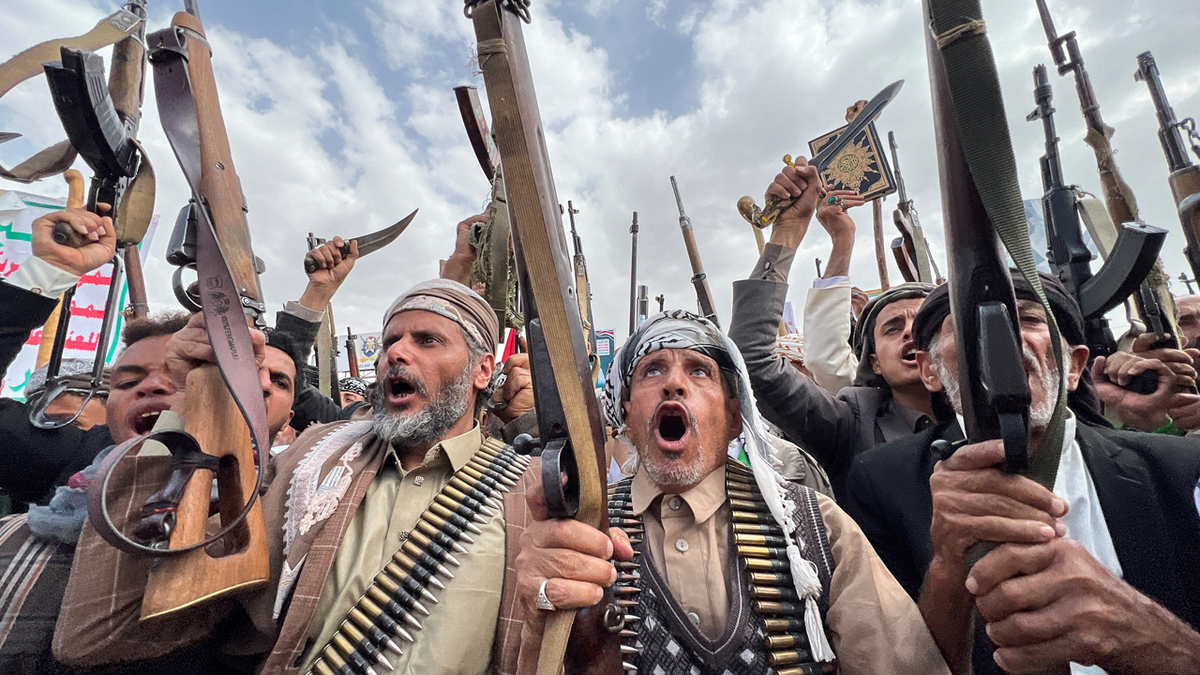
Houthi supporters show solidarity with Palestinians in the Gaza Strip and to condemn U.S. strikes in Yemen, in Sanaa, Yemen May 30, 2025. (Reuters/Adel Al Khader)
“The soft spots are wherever Houthi money touches the formal system,” he said. “Treasury has named the Yemeni banks and the Sana’a exchange houses that pay for missile components; it should now name the foreign correspondents still clearing for them. That is the one tool that changes behavior overnight.”
Oman represents another potential pressure point. “Oman is the Houthis’ land bridge and their mailing address,” Maleki said.
But squeezing Houthi finances presents another dilemma: Yemen remains one of the world’s most fragile humanitarian environments, and the Houthis control ports and infrastructure through which civilians receive food, fuel and other basic goods.
“I would be lying if I had a concrete answer to it,” Rousselle said when asked how Washington could disrupt Houthi revenue without worsening the humanitarian crisis.

Members of the Saudi-backed Yemeni government forces react during clashes with Yemen’s Iran-aligned Houthis in a location given as near Al-Hazm, Yemen, in this screen grab obtained from a handout video released Sept. 9, 2026. (Media Centre Of The Yemeni Armed Forces/Handout via Reuters)
“The humanitarian argument is the Houthis’ best shield, and it’s backwards,” Maleki said. “Food and medicine are licensed and should stay that way.”
“Keep the goods flowing and take away the toll,” he added, arguing that Washington should seek ways to prevent humanitarian trade from generating taxes and fees for Houthi authorities.
Rousselle warned that the challenge extends far beyond Yemen.
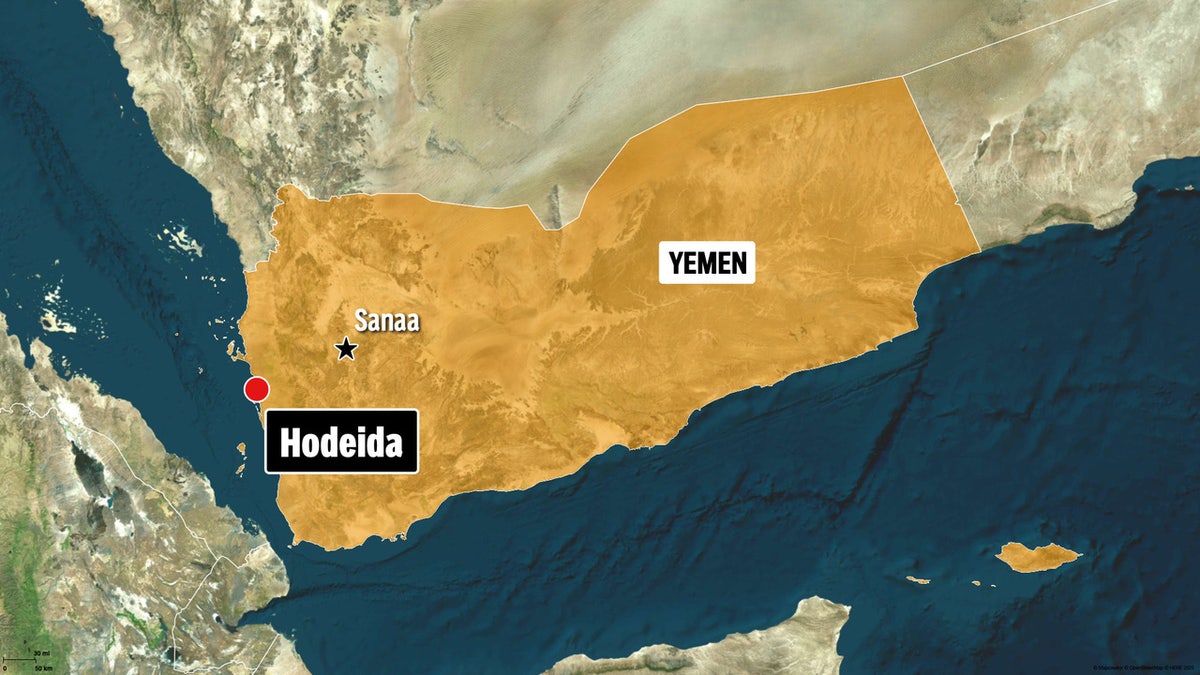
A map highlights the Yemeni port city of Hodeida on the Red Sea coast, where Israeli airstrikes targeted Houthi military infrastructure on Sept. 16, 2025. (Associated Press)
“This isn’t just about the Houthis,” he said. “This is about any sanctioned actor worldwide capable of harnessing financial systems that are completely outside of regulatory control.”
The Treasury Department did not immediately respond to News Outlet’s request for comment.