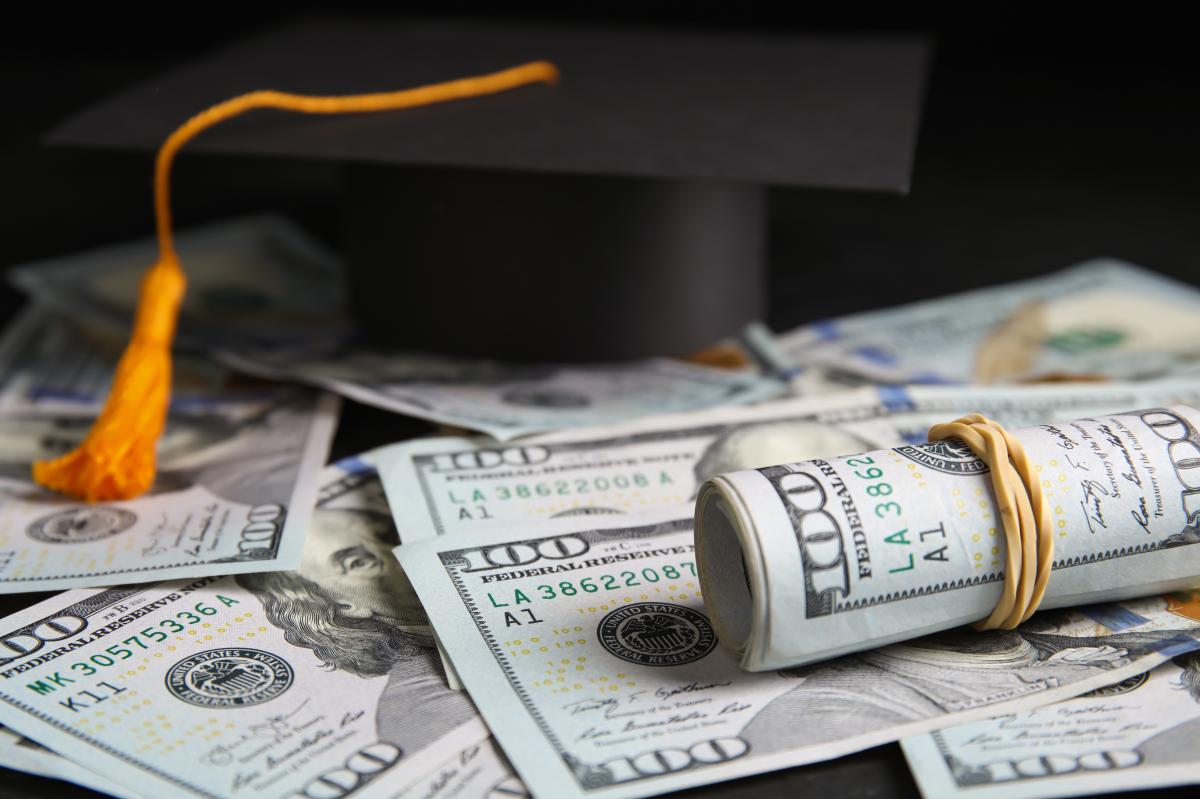
At least 500 colleges and universities across the United States have federal student-loan nonpayment rates of 40% or higher, according to a new report. The pattern leaves taxpayers responsible for the debt while the schools continue collecting tuition.
An analysis by NPR found that some institutions, including Construction Training Center in South Carolina and Legends Barber College in Texas, have nonpayment rates ranging from 70% to 80%.
Federal student aid is also keeping many of the small schools operating, accounting for more than two-thirds of their total revenue.
At Diversified Vocational College in Los Angeles, 73% of students who received federal loans failed to make payments during the 2024-2025 school year. The $3.5 million in federal loans issued to those students represented nearly 90% of the school’s revenue.
In effect, nearly three-quarters of the college’s students used federal money to pay their tuition before going more than three months without repaying the government.
Most of the schools with the highest nonpayment rates resembled Diversified Vocational College: private, for-profit institutions focused on vocational education.
Those schools accounted for 424 of the 500 institutions with nonpayment rates above 40%, according to data from the US Education Department.
Private nonprofit schools made up 61 of the institutions on the list, while public colleges accounted for just 15. Nationwide, the average federal student-loan non-repayment rate was approximately 15%.
The figures suggest that many of the 500 schools rely heavily on federal loans to keep operating. That has prompted education experts to question why the government continues approving loans for students planning to attend institutions with such poor repayment outcomes.
“If a private lender were looking at a school that has a 40%, 50% delinquency rate on past loans, they would probably say, ‘We’re not going to lend to that school,’” said Preston Cooper of the American Enterprise Institute, who studies higher-education finances.
“Why does it make sense for the federal government and for taxpayers?” he added.
The fields taught at these institutions appear to be part of the problem. Most of the 500 schools offered training for trades that disproportionately attract students from lower-wealth backgrounds and often lead to industries where high-paying jobs are less common.
Barber and hairstylist programs were especially prevalent, along with trade schools preparing students for construction and health-care aide positions.
NPR also reported that confusion surrounding the loan process—compounded by pandemic-era payment suspensions and President Biden’s broad student-loan forgiveness promises—has added to the problem in recent years.
Experts say the federal government bears much of the responsibility, both for enforcing repayment and for holding the schools accountable for the outcomes of their students.
“If the federal student loan program did not exist, these schools would not exist,” Eileen Connor, executive director of the Project on Predatory Student Lending, told NPR. “Why would any bank give or lend money to someone to go to these schools when it’s a near certainty that they’re not going to be able to repay it?”
Connor described providing these loans as “the definition of predatory lending.”
The federal government has taken steps to address the issue. President Trump’s One Big Beautiful Bill includes measures that would restrict federal funding for schools unable to show that their graduates earn more than workers in the same industry who do not have college degrees.
“Institutions cannot benefit from taxpayer dollars while ignoring the fact that a significant share of their students are not well-prepared to repay their loans,” the Department of Education said in a statement. “It’s time for institutions to step up or risk losing access to federal student aid.”