

Campaign posters featuring Israel’s political leaders line highways and blanket buildings. Inside homes, cafés and family gatherings, one question keeps returning: Will Prime Minister Benjamin Netanyahu hold on to power?
As Israelis prepare to vote Tuesday, the country faces a tightly fought election that could once again produce political gridlock. But the contest carries stakes unlike any recent election in Israel.
For many voters, the election has become a test of accountability for the security failures that enabled Hamas terrorists to launch the Oct. 7, 2023, massacre — the deadliest attack in Israel’s history.
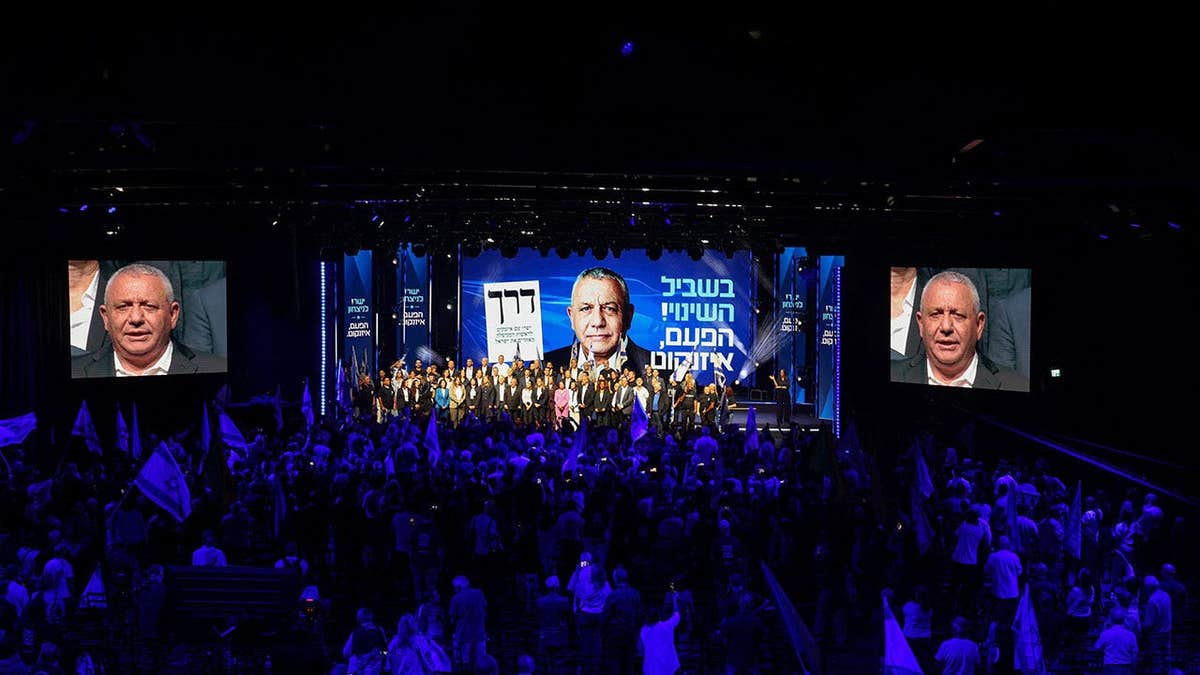
Former Israeli military chief Gadi Eisenkot attends an event for his Yashar party, ahead of Israel’s national election in Tel Aviv, Israel, October 25, 2026. (Ronen Zvulun/Reuters)
Netanyahu, a dominant force in Israeli politics for decades, has rejected demands that he accept personal blame for the security breakdown and support an independent state commission of inquiry. Instead, his government has backed an investigation appointed through political channels — an approach strongly opposed by many families who lost relatives.
But Israel’s political fractures did not begin with Oct. 7.
In the months before the attack, hundreds of thousands of Israelis demonstrated against Netanyahu’s proposed judicial overhaul, which opponents said threatened the country’s democratic system. The dispute reached into the military as reservists warned they could stop volunteering for service, prompting concern about Israel’s readiness. Some critics say the turmoil may have signaled weakness to Israel’s enemies, though the extent of any influence on Hamas’s decision to attack remains contested.
Three years after the massacre, those fault lines have widened. Tuesday’s election has become deeply personal, straining friendships and splitting families as the national debate increasingly centers on one question: Are you with Netanyahu, known widely as “Bibi,” or against him?
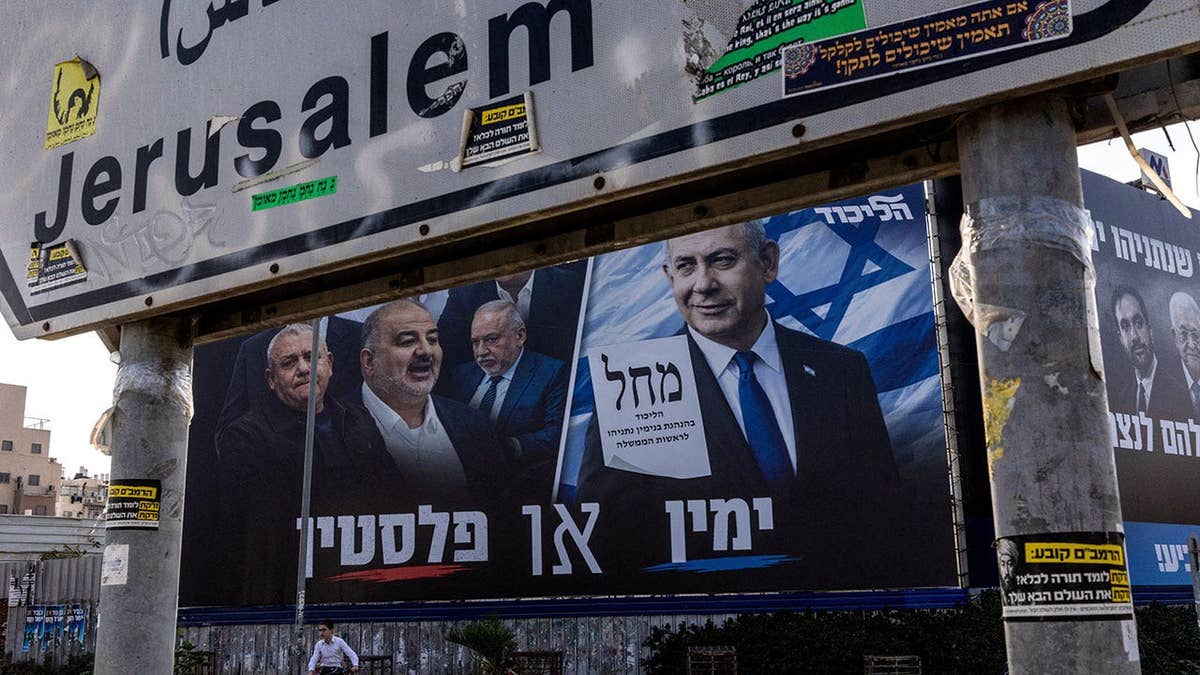
A boy sits on his bicycle next to a campaign banner of Netanyahu’s Likud party, ahead of the Israeli parliamentary election, in Bnei Brak, Israel, October 25, 2026. (Nir Elias/Reuters)
For some relatives of those killed on Oct. 7, the answer is unequivocal.
Shir Shai, whose brother Yaron Shai, an Israeli soldier, died fighting Hamas terrorists that day, issued a blunt appeal to anyone still considering a vote for Netanyahu.
“If you nevertheless decide to vote again for the man who brought disaster upon us and his accomplices, I have one personal request: Don’t come here anymore,” Shai said beside her brother’s grave during a memorial ceremony on October 7
“You still have 20 days to be part of the process of putting things right. But if you choose to perpetuate the failure rather than honor the fallen, it would be better if you stayed home next year,” she added.
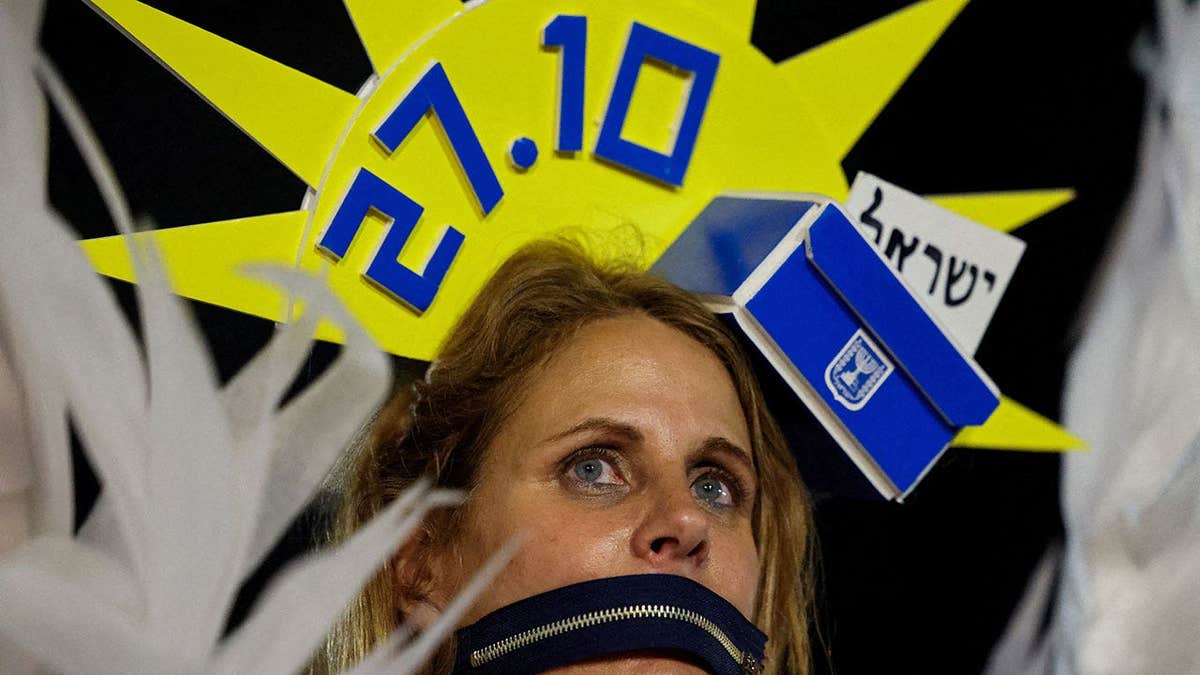
A woman looks on as people attend a rally to demand the establishment of an independent state commission of inquiry into the October 7, 2023, Hamas-led attacks and the events leading up to them, ahead of Israel’s parliamentary election on October 27, in Tel Aviv, Israel, October 24, 2026. (Nir Elias/Reuters)
Other bereaved families, however, have drawn the opposite conclusion. They credit Netanyahu with maintaining a firm stance through years of fighting on several fronts and argue that Israel’s military and intelligence agencies should bear most of the blame for failing to foresee the Hamas assault.
The country’s polarization has been sharpened by an especially hostile campaign. Two days before voting, Netanyahu posted an AI-generated image showing a nuclear blast over Tel Aviv, warning that Iran could pose an existential danger if Israelis choose a leader incapable of confronting Tehran.
The uncertainty is not limited to who wins. Israeli police are preparing for possible unrest after the polls close, while experts have cautioned that challenges to the election’s legitimacy could emerge — including an extreme scenario comparable to the Jan. 6, 2021, attack on the U.S. Capitol.
The opposition is united in its desire to remove Netanyahu but divided over what should follow. With neither major bloc guaranteed a parliamentary majority, Israel may have to wait weeks before the political picture becomes clear.
When do polls open and close?
Israelis will vote Tuesday, Oct. 27. Most polling stations are scheduled to open at 7 a.m. and close at 10 p.m. local time.
Election Day is a national holiday, allowing voters time to cast their ballots. Some smaller communities and special polling stations will follow different operating hours.
Eligible voters must be Israeli citizens at least 18 years old and generally vote at their assigned polling station. Most Israelis living abroad cannot vote remotely, although exceptions apply to certain official representatives overseas.
How does Israel’s election system work?
Israel has a parliamentary system in which voters select a political party rather than an individual candidate for prime minister.
The country’s parliament, known as the Knesset, has 120 seats, distributed through a system of nationwide proportional representation.
Each party submits a ranked list of candidates, and the number of seats it receives depends on its share of the national vote.
To enter parliament, a party must win at least 3.25% of the valid votes. Parties falling below that threshold receive no seats, potentially changing the balance between rival political blocs.
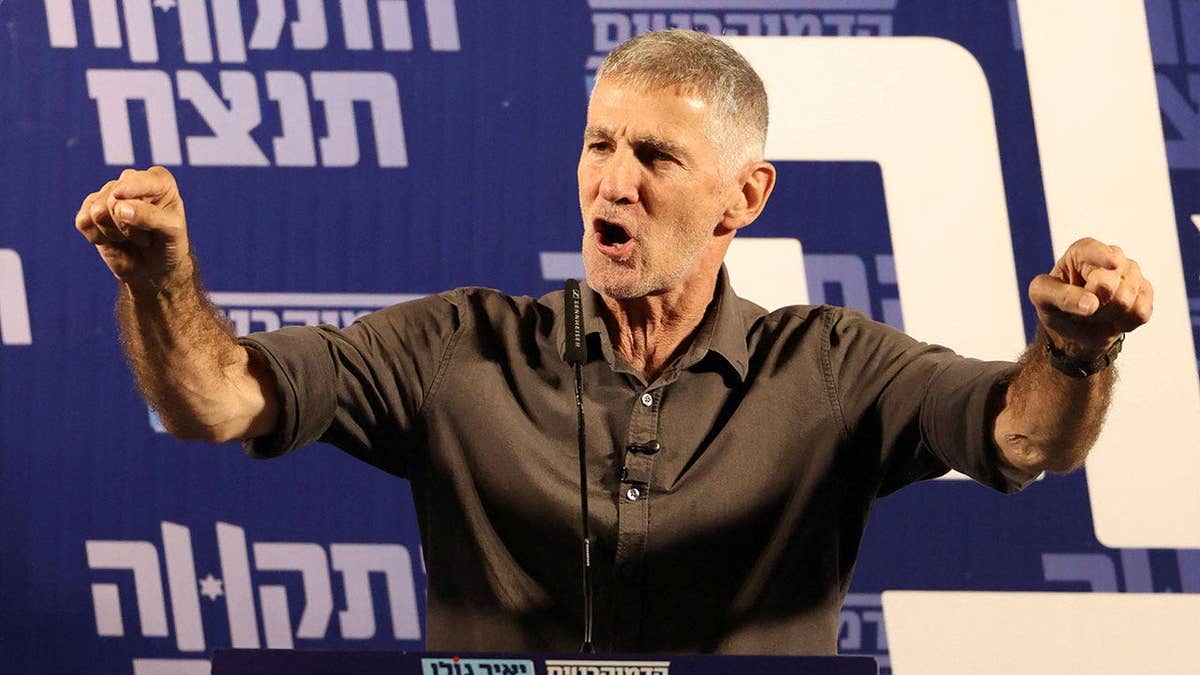
Yair Golan of the Democrats party speaks during a rally to demand the establishment of an independent state commission of inquiry into the October 7, 2023, Hamas-led attacks and the events leading up to them, ahead of Israel’s parliamentary election on October 27, in Tel Aviv, Israel October 24, 2026. (Kevin Coombs/Reuters)
When will election results be announced?
Israel’s major television networks are expected to release exit polls immediately after voting ends at 10 p.m. Tuesday (4 p.m. EST).
Those projections will provide the first indication of how many seats each party may win and whether Netanyahu or his rivals appear better positioned to assemble a coalition.
But exit polls are not official results, and even small differences in the final vote could determine whether parties cross the electoral threshold.
Actual vote counts will emerge as ballots are counted, with preliminary results developing after polls close and over the following days.
Israel’s Central Elections Committee has scheduled the publication of official results for Wednesday, Nov. 4 , eight days after the election.
Who are the main candidates?
Prime Minister Benjamin Netanyahu, 77, leads the conservative right-wing Likud party and is seeking to extend his record tenure as Israel’s longest-serving prime minister.
His main challenger is Gadi Eisenkot, 66, a former chief of staff of the Israel Defense Forces who leads the centrist Yashar party and has positioned himself as an alternative to Netanyahu’s leadership.
Former Prime Minister Naftali Bennett, 54, is also seeking a political comeback, running on a joint ticket with former Prime Minister Yair Lapid.
Other significant political figures include former Defense Minister Avigdor Lieberman, Democrats leader Yair Golan, and Netanyahu’s right-wing populist allies Itamar Ben-Gvir and Bezalel Smotrich.
Arab political parties, including Ra’am and the Joint List, could also play a crucial role in determining the final parliamentary balance.
How many seats does a party need to win?
The key number in Israeli politics is 61 — a majority of the 120-seat Knesset.
No single Israeli party has ever won enough seats to control parliament alone, meaning parties generally need to form coalitions with other political factions.
This means the party that wins the most seats does not automatically get to lead the government.
Instead, the decisive question is which political leader can secure enough parliamentary support to govern.
How is Israel’s next prime minister chosen?
Once the official results are published, Israeli President Isaac Herzog will consult representatives of the newly elected parliamentary factions.
Within seven days, the president must assign a member of the Knesset the task of forming a government.
The president generally selects the politician considered most likely to assemble a governing coalition, who is not necessarily the leader of the largest party.
That candidate initially has 28 days to reach agreements with other parties, with the possibility of an extension of up to 14 additional days.
The proposed government must then win a confidence vote in the Knesset before taking office.
What happens if nobody can form a government?
If the first candidate fails, the president can ask another lawmaker to attempt to form a government, giving that person 28 days without an extension.
If that effort also fails, a majority of 61 lawmakers can request that another candidate be given 14 days to try.
If no government emerges, Israel could face another national election.
Coalition negotiations can take weeks or months. According to the Israel Democracy Institute, the process of forming an Israeli government has historically taken between 20 and 100 days.
Until a new government is sworn in, the outgoing government remains in office.
Why is this election particularly consequential?
Tuesday’s vote is the first national election since the Oct. 7, 2023, Hamas-led attacks, which triggered the war in Gaza and raised profound questions about Israel’s security leadership.
Beyond Netanyahu’s political future, the next government will face decisions over Israel’s national security, the future of Gaza, military conscription, relations with the United States and the country’s regional diplomatic relationships.
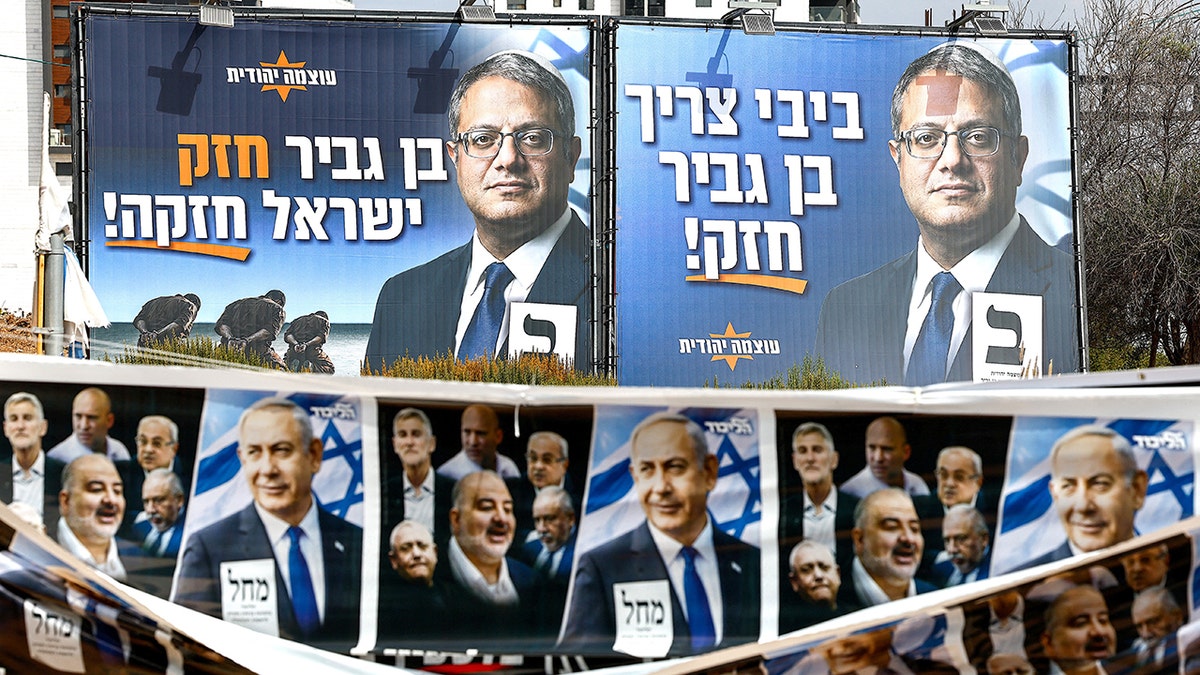
With pre-election polling showing no clear path to a parliamentary majority for either major political bloc, the contest could remain unresolved long after Tuesday’s votes are counted.


