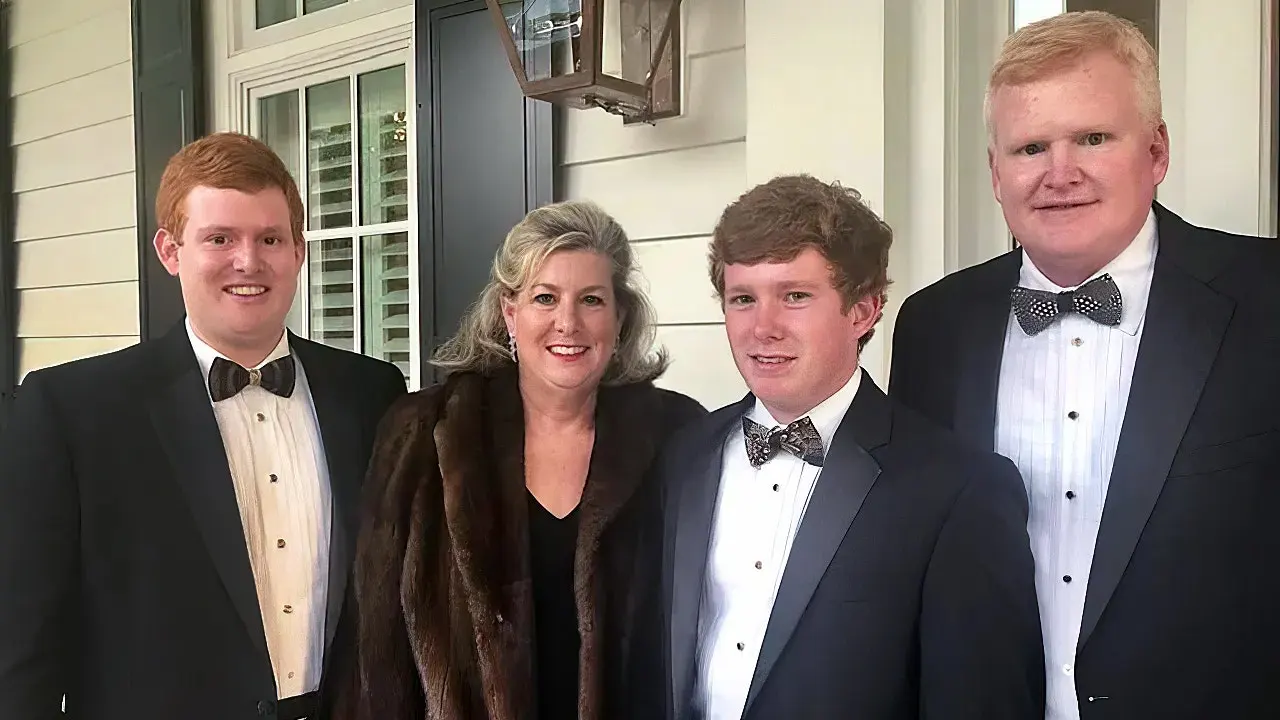

Murdaugh defense claims grand jury heard misleading testimony
Alex Murdaugh appeared in a South Carolina courtroom for a pretrial hearing as his attorneys sought to have the original murder indictments dismissed. Defense lawyer Jim Griffin argued that South Carolina Law Enforcement Division (SLED) investigator David Owen gave the grand jury inaccurate information about alleged blood spatter on Murdaugh’s shirt. Prosecutors rejected the claims as Murdaugh awaits a retrial in the killings of his wife and son.
The judge overseeing Alex Murdaugh’s double-murder retrial has declined to dismiss the charges, delivering another setback to the disgraced former attorney before his April court date.
During a pretrial hearing on Friday, Nov. 13, Murdaugh’s lawyers argued that SLED investigator David Owen gave the grand jury misleading testimony about blood-spatter evidence and shotgun ammunition. The defense said the testimony compromised the integrity of the indictment process.
In a ruling issued Friday afternoon, South Carolina Circuit Court Judge Debra R. McCaslin said the state made significant errors in presenting evidence to the grand jury. Even so, she concluded that other evidence overwhelmingly supported the indictment.
“Even if the challenged testimony concerning the blood spatter on the T-shirt and shotgun ammunition were excluded from consideration by the grand jury, the remaining unchallenged evidence overwhelmingly established probable cause,” McCaslin wrote.
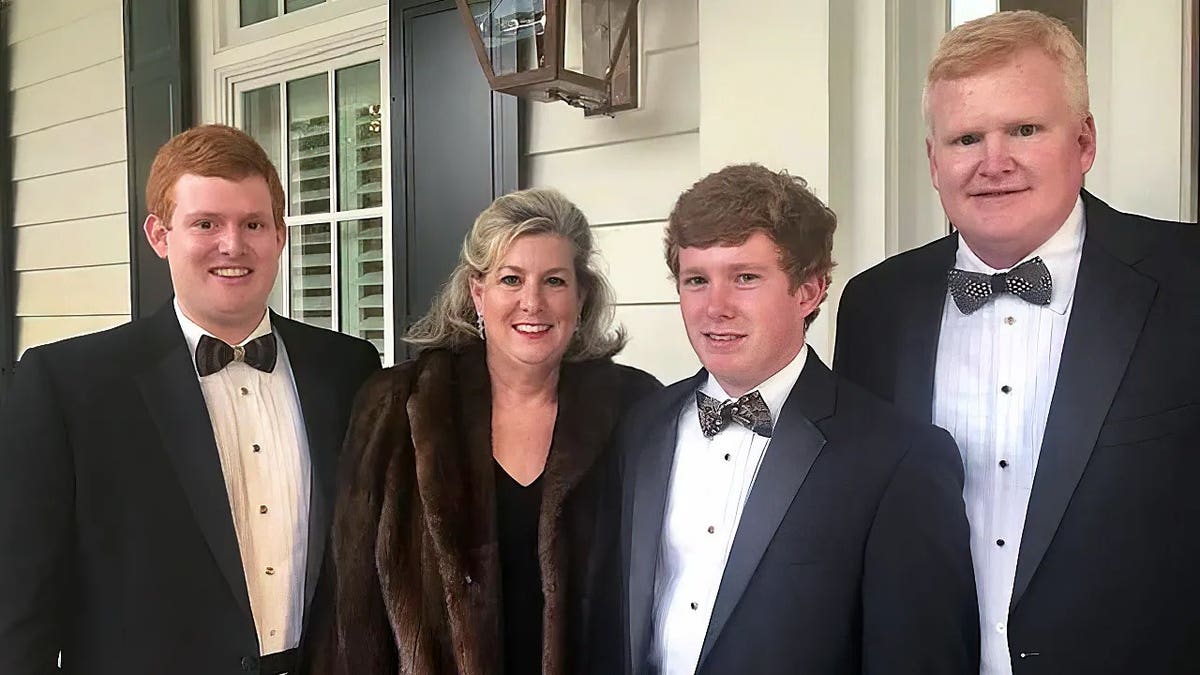
Alex Murdaugh, right, is pictured with his family. (Fox News)
Although McCaslin refused to throw out the murder indictment, she sharply criticized the state’s lead investigator.
“The Court does not take lightly Special Agent Owen’s failure to recognize and account for a laboratory report addressed directly to him prior to presenting testimony in this case,” she wrote. “Oversights of this nature undermine public confidence in the integrity of the criminal justice system.”
McCaslin also acknowledged that the ammunition evidence presented to the grand jury was inaccurate, but said there was no indication the error was deliberate.
READ THE ORDER HERE:
“Even accepting that the challenged testimony was inaccurate, the record presented does not establish intentional fabrication or prosecutorial misconduct,” she said.
The judge ruled that Murdaugh’s defense may challenge the disputed evidence during the April trial.
“Any inconsistencies in prior investigative statements or forensic conclusions are matters properly addressed through cross-examination and impeachment at the upcoming trial, rather than through the pretrial dismissal of facially valid indictments,” McCaslin wrote.
Murdaugh’s attorneys alleged that Owen misled the grand jury about blood-spatter evidence reportedly found on the shirt Murdaugh wore June 7, 2021—the day his wife, Maggie, and son, Paul, were killed at the family’s Moselle property in Colleton County.
The defense said Owen linked blood spatter on the shirt to the killings even though earlier testing failed to detect human blood in samples collected from the garment.
At Murdaugh’s first murder trial, Owen testified that he did not intend to mislead the grand jury and said he did not review the final SLED laboratory report until after the indictment was issued.
During the Nov. 13 hearing, prosecutors maintained that negative blood-test results did not necessarily disprove the blood-spatter findings. They cited additional testing by the state’s expert, who said prior chemical treatment may have caused false-negative results.

Alex Murdaugh is shown in court. (Tracy Glantz of The State and Henry Taylor of The Post and Courier)
Prosecutors said the expert continued to stand by his conclusions and argued that Owen’s grand jury testimony accurately reflected investigators’ understanding of the evidence at the time.
Owen also told grand jurors that shotguns recovered from the Murdaugh property were loaded with the same combination of ammunition used to kill Paul. The defense disputed that account, saying none of the recovered weapons contained the precise combination of shells found at the crime scene.

Alex Murdaugh attends a judicial hearing Monday, June 29, 2026, at the Marc H. Westbrook Judicial Center in Lexington, South Carolina. Murdaugh will face a retrial in the June 7, 2021, shooting deaths of his wife and son after his original conviction was overturned because of jury tampering. (Tracy Glantz/The State via Pool)
Prosecutors acknowledged that Owen’s description of the ammunition to the grand jury may have lacked precision, but argued that he did not intentionally mislead the panel.
“This was not overtly false. This was what the agent understood at the time,” lead prosecutor Creighton Waters said.
Murdaugh was convicted of both murders in 2023. The South Carolina Supreme Court later overturned those convictions after finding that former Colleton County Clerk of Court Becky Hill improperly influenced the jury. His retrial is scheduled to begin April 5, 2027.