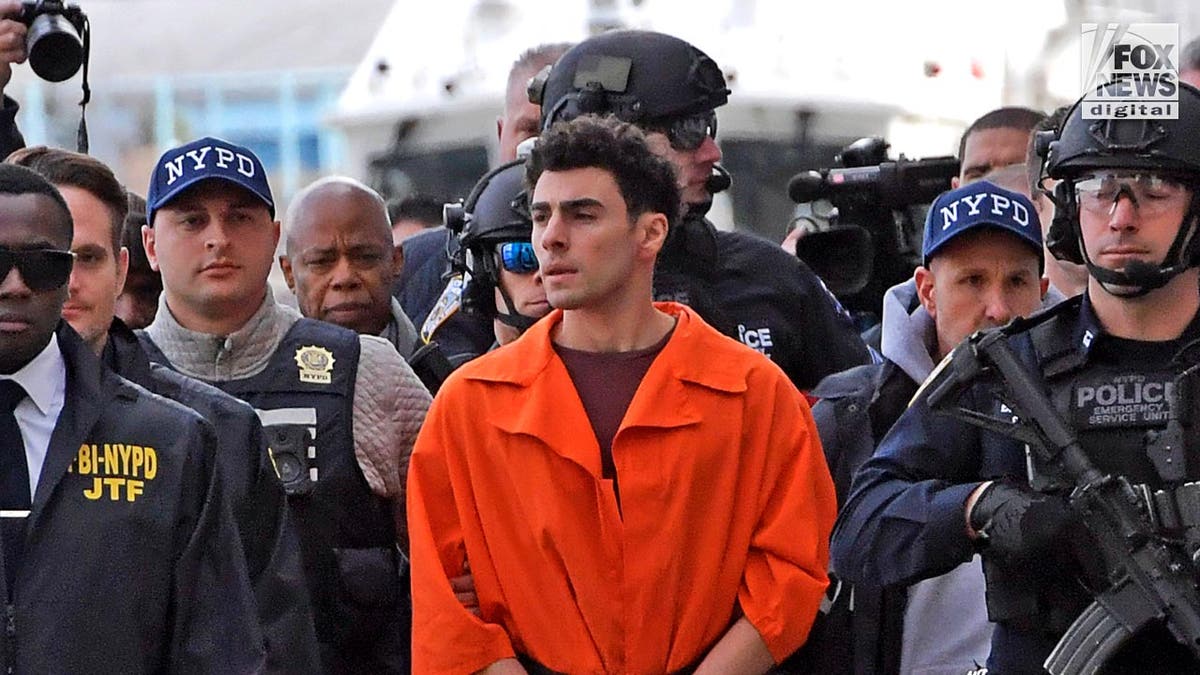

Attorneys for Luigi Mangione, the 28-year-old former Ivy Leaguer charged in the killing of UnitedHealthcare CEO Brian Thompson, have signaled they may pursue an “extreme emotional disturbance” defense at his September state trial. If a jury were to accept that argument while still finding him guilty, the charge could be reduced from murder to first-degree manslaughter.
Mangione is also scheduled to face a separate federal trial early next year, adding another layer of complexity to an already closely watched case.
Legal observers say the defense strategy could carry consequences beyond the New York courtroom. Randolph Rice, a Maryland attorney and legal analyst following the proceedings, said it remains unclear how such an argument might affect the federal case, especially since Mangione could choose a different defense there.
“It’s too early to say exactly how it will affect the federal prosecution, and he could theoretically pursue a different defense strategy there,” Rice said. “But from a practical standpoint, if you’re standing in a state courtroom arguing that you shot someone because you were under extreme emotional distress, you may be handing federal prosecutors a significant admission that they can point to later.”
In the state case, the potential benefit of that defense is substantial. Under New York law, a successful extreme emotional disturbance argument does not lead to an acquittal, but it can reduce a murder conviction to first-degree manslaughter. That would lower the maximum possible sentence from life in prison to 25 years.