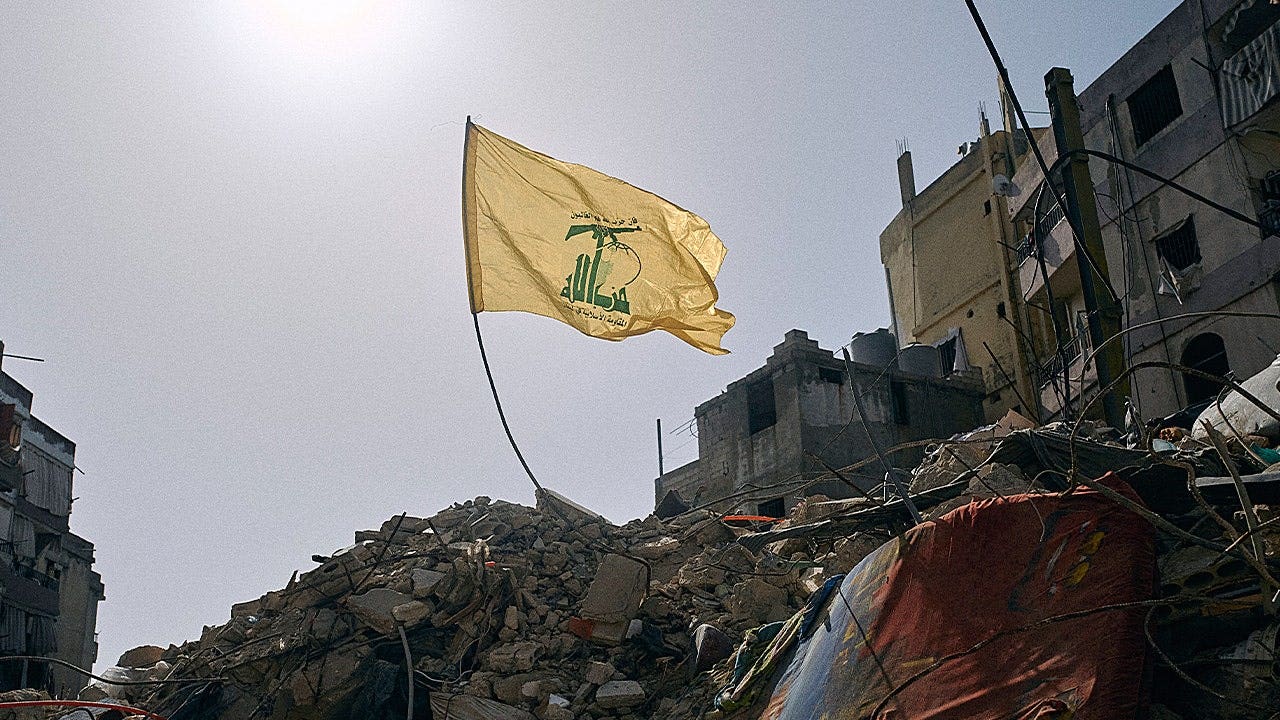

Lebanon, Israel agree to 10-day ceasefire as Trump continues Iran talks
The reopening of the Strait of Hormuz marks a pivotal moment amidst the ongoing negotiations with Iran. Iran’s Foreign Minister, Seyed Abbas Araghchi, has confirmed that the passage is now accessible. However, while President Donald Trump expresses hope for a peace agreement, Iran remains skeptical. Meanwhile, in the United States, severe storms are affecting 50 million people as President Trump engages with young voters, highlighting his achievements and the drop in gas prices, which now average $4.07 per gallon.
The fragile 10-day ceasefire between Israel and Lebanon was put to the test on April 18 after an ambush in southern Lebanon resulted in the death of a French soldier. This incident underscores Hezbollah’s alleged use of “human shield” tactics, drawing additional international attention to the conflict, according to a defense analyst.
On the same day, an Israeli Defense Forces (IDF) reservist was killed and nine other soldiers were injured—one critically—when a bomb, believed to have been planted by Hezbollah, detonated under an engineering vehicle in southern Lebanon, according to military reports.
Kobi Michael, a senior researcher at the Institute for National Security Studies (INSS) and the Misgav Institute in Tel Aviv, explained that the Iranian-supported Hezbollah has long been fortifying the region in anticipation of Israeli actions. They continue to employ their notorious terror strategies, even after the recent ceasefire and the IDF’s re-entry into southern Lebanon in March.
“This tactic involves using civilians and sensitive locations as shields, storing weapons, and coordinating terror operations,” Michael explained to Fox News Digital.
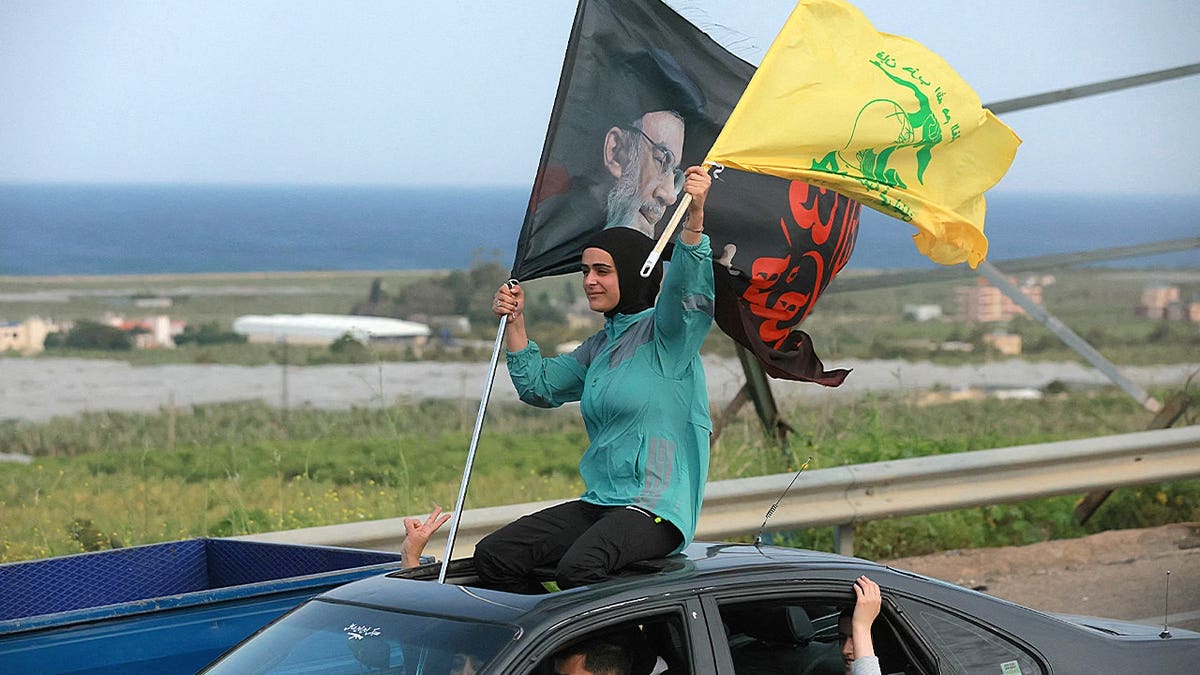
A displaced resident, carrying a Hezbollah flag, makes her way through the Qasmieh area as she returns home in southern Lebanon (Ibrahim AMRO / AFP via Getty Images)
“Hezbollah worked for decades to build an entire facility, part of it underground, below private residential buildings and houses, preparing themselves for a surprise attack on Israel,” Michael added.
“They were well-prepared to defend themselves once the IDF entered and tried to fight them,” he said.
France’s foreign minister said the soldier was killed in a close-range ambush and struck by a direct shot.
The minister said the attack happened during a patrol clearing explosives near Ghandouriyeh, when troops came under small-arms fire from “non-state actors,” a term often used to refer to groups like Hezbollah.
“They operate in the Shiite villages and among the Shiite population who are supported by Hezbollah,” Michael said, before describing how “most people in these southern villages are connected to Hezbollah” in one way or another and are “heavily dependent on the terror organization.”
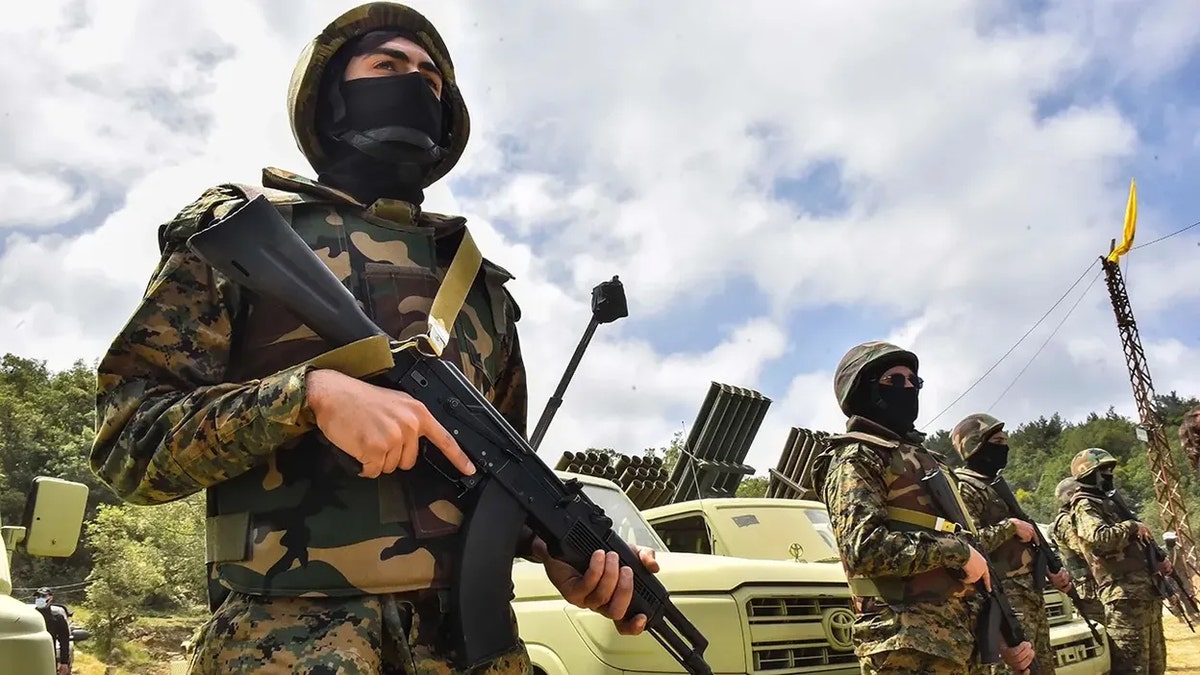
Hezbollah terrorists are shown in this image. A “terrorist network” funded and operated by Hezbollah and Iran has been foiled in the United Arab Emirates, according to a report. (Fadel Itani/NurPhoto via Getty Images)
“All community life and infrastructure in these Shiite villages and towns are an effective cover for terror purposes and Hezbollah activities,” he added.
French President Emmanuel Macron confirmed the soldier’s death.
“Sgt. Maj. Florian Montorio of the 17th Parachute Engineer Regiment in Montauban was killed this morning in southern Lebanon during an attack against UNIFIL (United Nations Interim Force in Lebanon),” Macron said. “Three of his comrades were wounded and evacuated.”
“All indications suggest that Hezbollah is responsible for this attack. France demands that the Lebanese authorities immediately arrest those responsible and take responsibility alongside UNIFIL,” Macron added.
Michael, however, claimed Macron’s response was, in some ways, inconsistent, as the president has been drawn into the war.
At first, France had called Israeli strikes on Lebanon on April 8 “intolerable” and opposed a ground offensive.
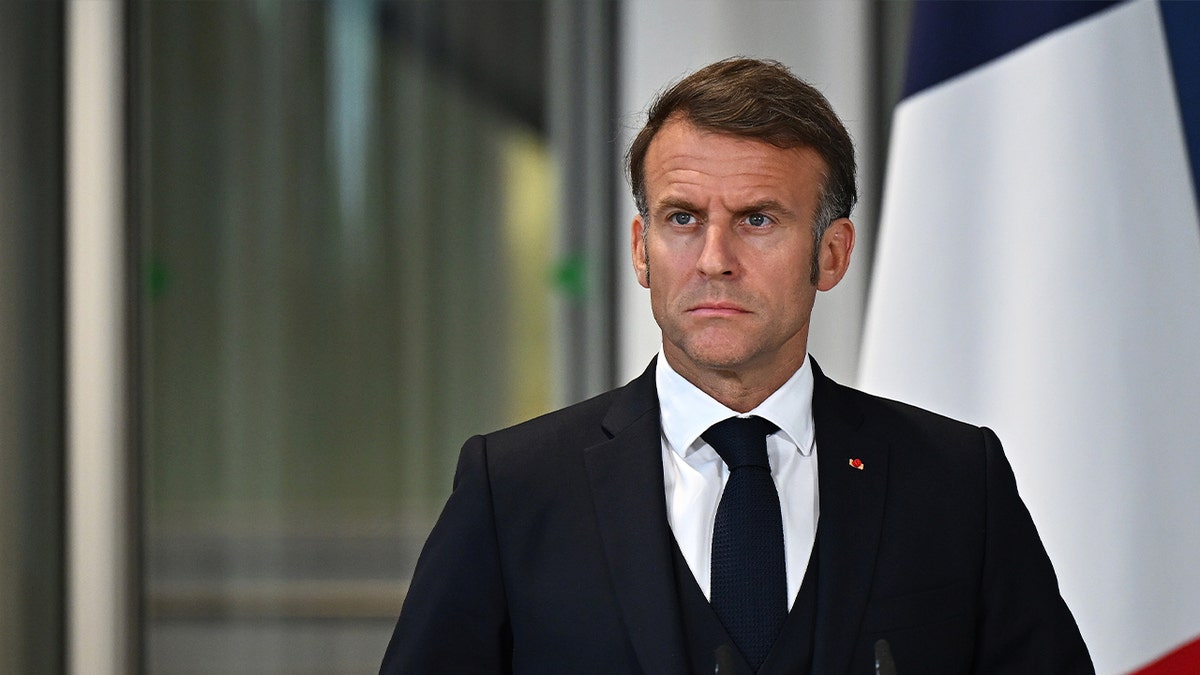
French President Emmanuel Macron hold a press conference on July 10, 2025 in London, England. (Leon Neal)
Israel’s ambassador to Washington, Yechiel Leiter, also expressed his wish to keep Macron out of ceasefire negotiations, highlighting tensions surrounding his policy.
“When it comes to Hezbollah breaches against Israel, the French demand Israel restrain and contain, but when it comes to one of their soldiers, they are furious at Hezbollah,” Michael said.
“That said, Hezbollah has breached the ceasefire agreement since its first moment,” Michael added.
Hezbollah has since denied the ambush, with the soldier’s death still underscoring the volatility of the 10-day ceasefire, which came into effect April 16.
UN Secretary-General Antonio Guterres condemned the attack in a statement and said an initial assessment by the UN Interim Force in Lebanon found it was carried out by Hezbollah.
According to the U.S. State Department, under the terms of the 2026 ceasefire, brought about by negotiations between Israel and Lebanon, Israel retains the right to act in self-defense against threats, while Lebanon must take steps to prevent attacks by Hezbollah and other armed groups.
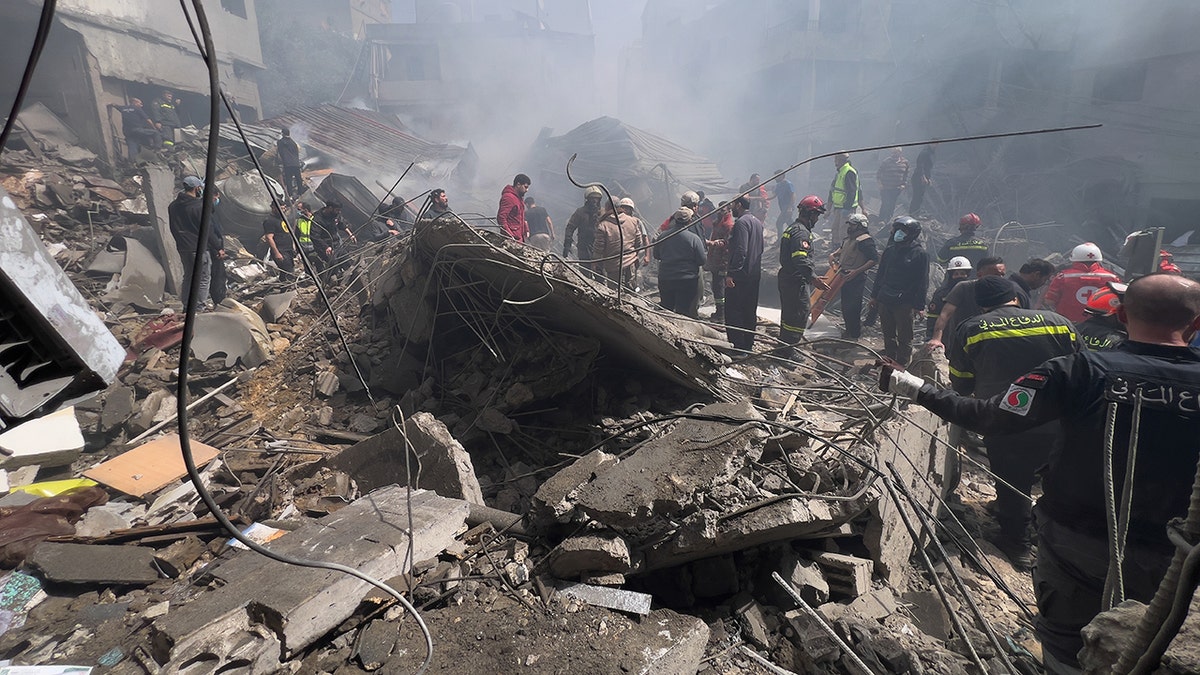
Rescue workers search for victims at the site of an Israeli airstrike that hit a crowded neighbourhood south of Beirut, Lebanon, Sunday, April 5, 2026. (Hussein Malla/AP Photo)
Lebanon’s security forces are solely responsible for national security, and both sides have asked the U.S. to continue facilitating talks to resolve remaining issues.
The Israel Defense Forces (IDF) also said it carried out strikes in response to what it described as “ceasefire violations by Hezbollah.”
Michael also emphasized Iran’s continued influence as Hezbollah operates in southern Lebanon as an “unrestrained political force.”
“Iran’s Islamic Revolutionary Guard Corps (IRGC) is still in charge of Hezbollah,” he added, before saying that the Lebanese army is also “unwilling to fight or confront Hezbollah.”
“First, because of the Shiite segment of this army that identifies with Hezbollah, and secondly, because it is afraid that confronting Hezbollah will lead to a civil war, a trauma they still have since the first one in 1975, lasting 15 years — until 1990.”
Michael added: “The Shiite militia, also controlled by Iran, is not subordinate to state authority, enabling Hezbollah to operate as an unrestrained political force within the Lebanese political system.”