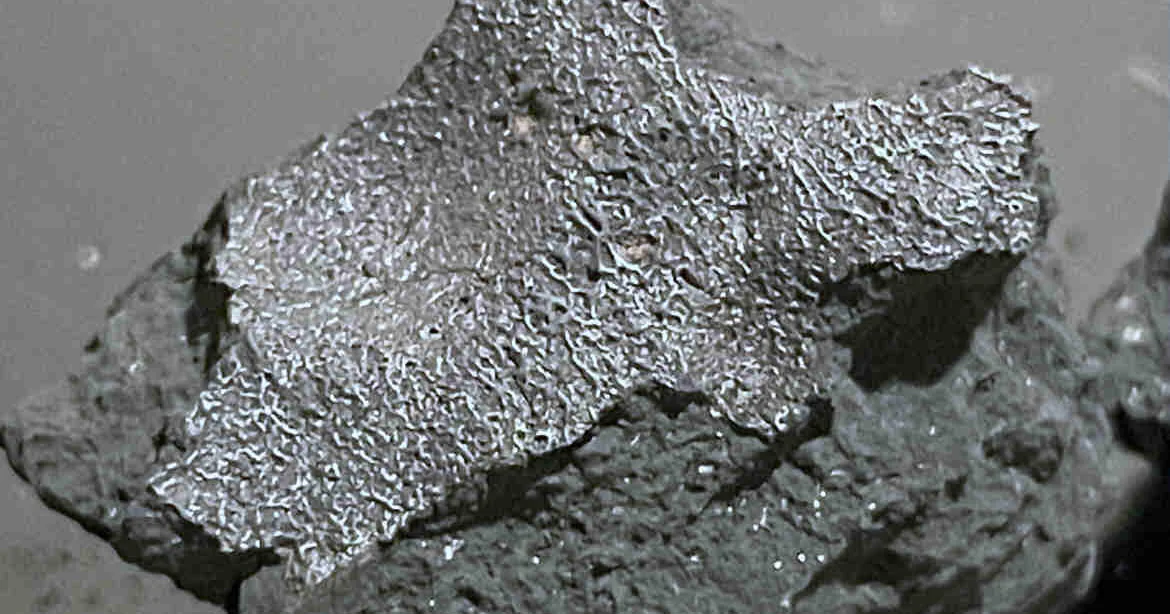

A meteorite that punched through a New Jersey home was carrying prebiotic molecules and other chemical ingredients often described as the “building blocks of life,” astronomers report in a new study.
The space rock hit the residence in July 2024. After the impact, the homeowner handled the debris with disposable gloves and aluminum foil before sealing the pieces in glass jars — careful preservation that gave an international research team an unusually clean sample to analyze, according to a paper published Wednesday in the journal Science Advances.
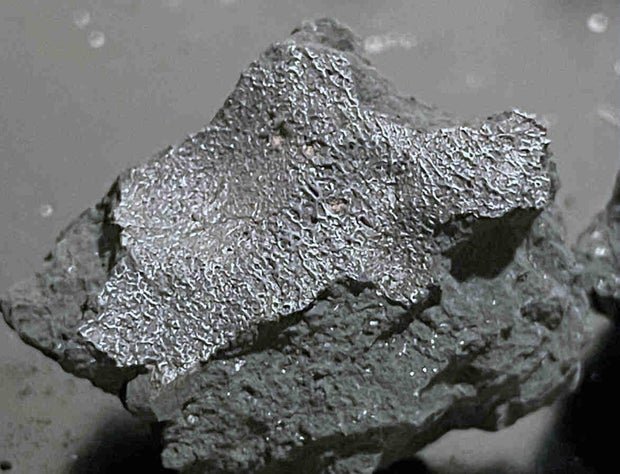
Laboratory testing showed the meteorite is composed of CM1/2 carbonaceous chondrite, a rare and primitive material that dates back to the early solar system. Because this is only the second recorded fall of that meteorite type, the find ranks among “one of the most scientifically valuable meteorites ever recovered,” according to a news release from the California-based SETI Institute.
A forensic examination of the fragments revealed that, before separating from its parent asteroid, the meteorite had been exposed to highly concentrated salty fluids, or brine. Study author and meteor astronomer Peter Jenniskens said in a statement that such evidence had not previously been documented in this type of object, pointing to liquid water on the parent asteroid that later evaporated.
SETI Institute
Those salty brines matter because they can help “create molecules crucial to life on Earth,” the researchers said. Brines can keep phosphate suspended in solution and may also drive reactions between certain materials. Cosmochemist Queenie Chan said in a statement that carbonaceous chondrite asteroids may have delivered organic matter to the young Earth.
Researchers also identified a range of soluble organic compounds inside the meteorite. One expert said those compounds may have formed through brine-related chemistry or during earlier impacts on the parent asteroid. Among them were magnesium organic compounds, which are associated with blood and play roles in photosynthesis in living organisms, as well as amino acids.
Taken together, the meteorite’s “alien world chemistry” strengthens the idea that CM-type carbonaceous chondrites could have delivered organic materials to Earth, potentially helping set the stage for life to emerge, the researchers said.
Following the forensic analysis, some of the meteorite fragments are set to be placed in the care of the American Museum of Natural History in New York City. Before landing in New Jersey, the meteorite passed over New York City.
“We are thrilled that nature delivered such a precious asteroid sample on our doorstep,” said museum curator Denton Ebel.