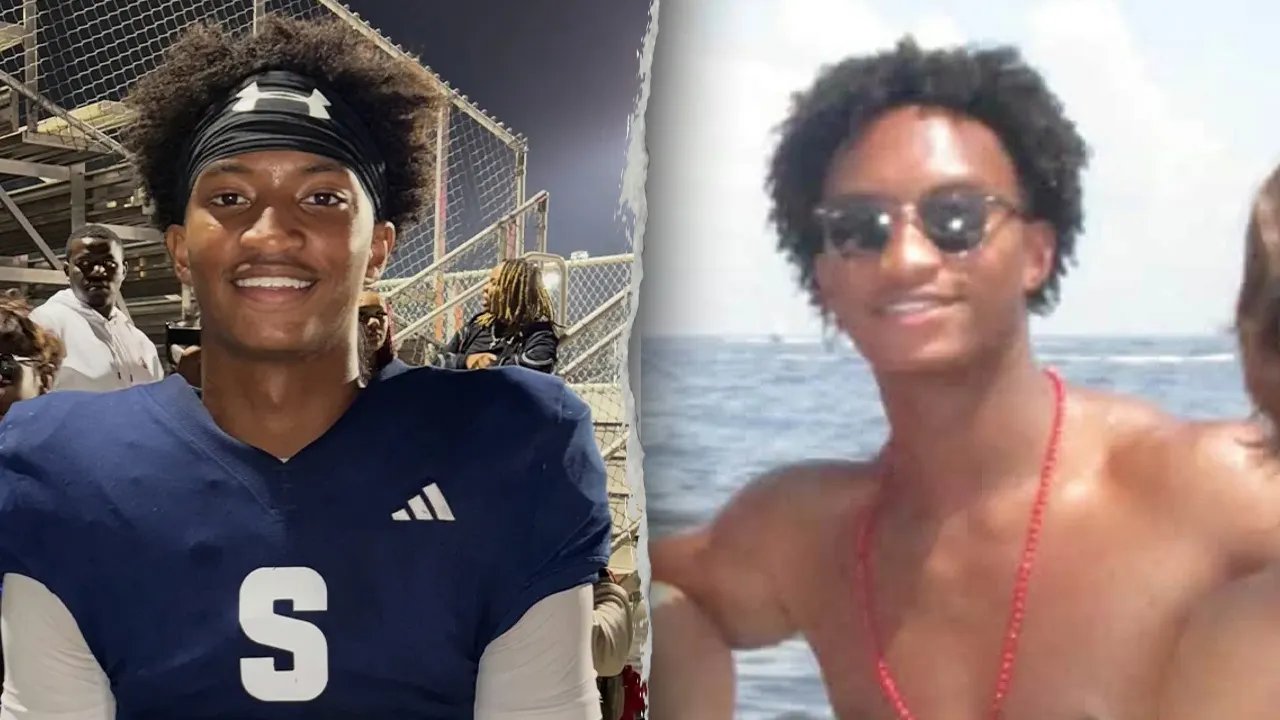

A Mississippi grand jury has found no sign of criminal wrongdoing in the death of 18-year-old Nolan Wells. The college football player’s remains were discovered after he vanished during a Fourth of July boating outing, with investigators determining the circumstances were consistent with drowning.
After hearing testimony from 43 witnesses and examining physical and digital evidence, police records, interviews, videos, photographs and maps, the 23-member Jackson County grand jury concluded that criminal charges were not justified. District Attorney Angel Myers McIlrath released the report Monday.
Wells disappeared on July 4 after joining friends at Horn Island, a barrier island along Mississippi’s Gulf Coast. His body was found in nearby waters two days later following a search involving multiple agencies.

Nolan Wells smiles on the field while playing wide receiver for Southwest Mississippi Community College. (Christine Wonsley/Facebook)
According to the report, the position and condition of Wells’ remains, along with the time and place where they were discovered, supported a drowning determination. Jurors said there was “no credible evidence” that anyone traveling to or from Horn Island committed a crime connected to his death.
The panel also determined that bruising on the back of Wells’ head was not fatal. Investigators found no indication of a deadly injury or underlying organic disease, although they were unable to establish how the bruise occurred.
One witness said Wells appeared to slip “awkwardly off the side of a boat” around the time he was last seen. The witness could not determine whether Wells hit his head, but said he continued socializing afterward and did not seem to be hurt.
The grand jury’s report further stated that Wells had not been involved in a fight or heated dispute that day.
SHARPTON OFFERS $50K FOR NOLAN WELLS CASE ARREST WITH LAWYER TO RELEASE AUTOPSY AT NAACP
Earlier, a private autopsy arranged by Wells’ family classified both the cause and manner of death as “undetermined pending investigation.”
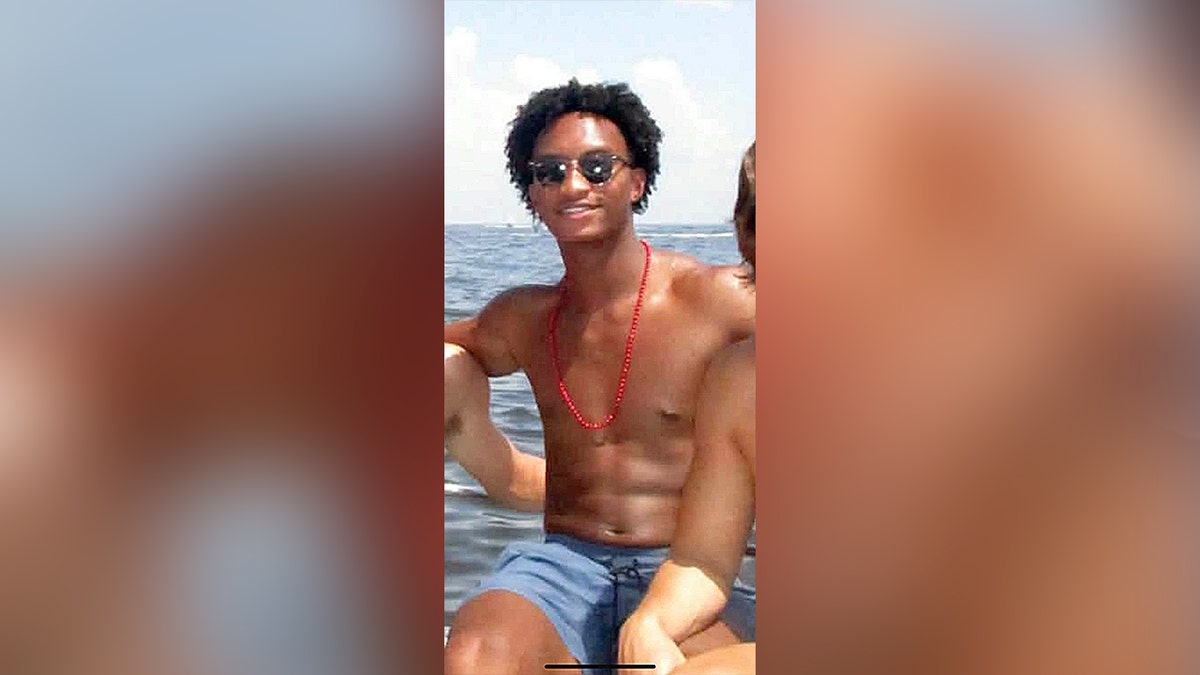
Nolan Wells wears blue swim trunks and sunglasses on a boat off Horn Island, Mississippi, on July 4, 2026. (Jackson County Sheriff’s Office)
At a July 22 news conference, civil rights attorney Ben Crump said the examination identified an area of “red discoloration” on the back of Wells’ head. However, pathologist Dr. Roger Mitchell was unable to determine the cause or manner of death.
Wells’ possible alcohol consumption also became a subject of public discussion during the investigation.
A July 5 email from the Mississippi Department of Marine Resources Marine Patrol, previously obtained by News Outlet, described Wells’ alcohol intake as “heavy” while search crews were looking for him. The email did not say who provided that information.
The grand jury determined that Wells had purchased alcohol with a fake identification card and that no adults of legal drinking age supplied him with alcohol on Horn Island.
Jurors said toxicology results offered little useful information because fluids produced during decomposition cannot reliably establish substance levels. Testing showed no cocaine in Wells’ system, and investigators found no evidence that he had used the drug.
The report also addressed what happened to Wells’ cellphone, which was brought back to the mainland without him.
The grand jury said it was common for visitors to Horn Island to depart on separate boats or leave phones and other personal items on vessels while socializing. Wells’ phone was not the only device returned to the mainland without its owner, the report said.
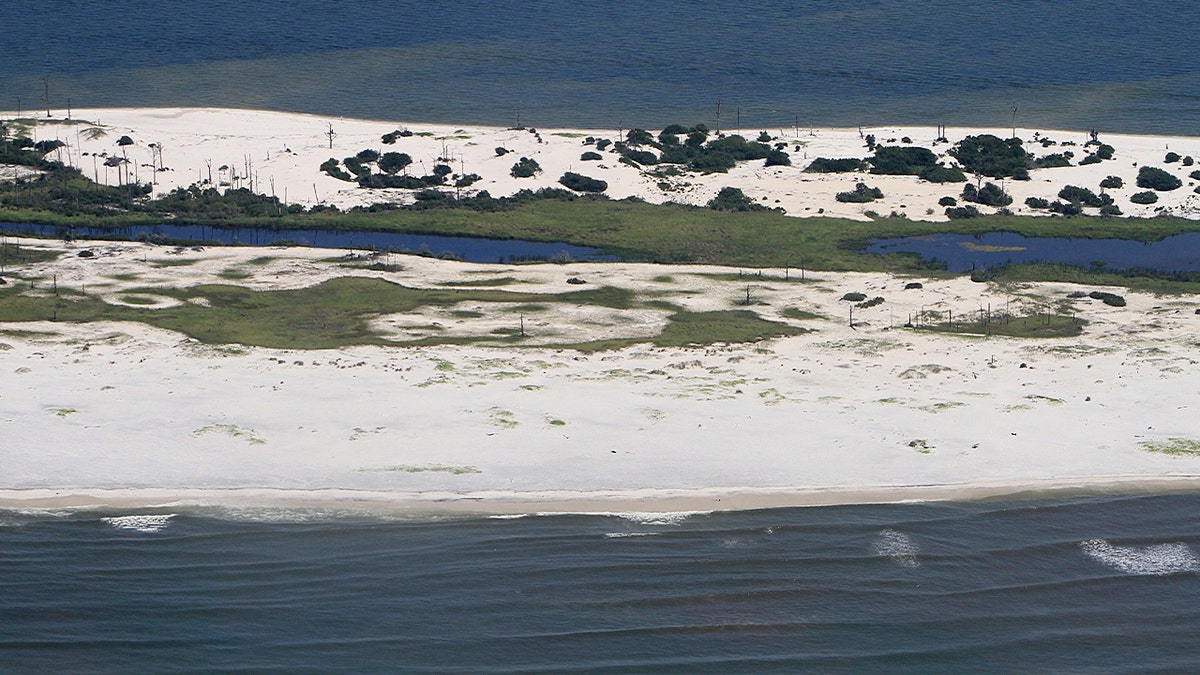
White sand beaches are seen at Horn Island in the Gulf of Mexico, Mississippi, on June 26, 2010. (James Edward Bates/Biloxi Sun Herald/Tribune News Service via Getty Images)
Wells’ death drew national attention and prompted widespread speculation across social media and online forums.
The grand jury said allegations targeting the occupants of the three boats involved in the trip had spread to their relatives and friends, calling the “public attacks” “malicious, false,” and having “no truth in fact or evidence.”
Wells’ family was given an opportunity to provide evidence from its private investigation. According to the report, the family’s attorneys said their investigation had found no witnesses or evidence they reasonably believed pointed to potential criminal activity that warranted referral.
The case could still return to a grand jury if new evidence emerges. Mississippi has no statute of limitations on homicide cases.
“If credible evidence comes to light in the future that suggests Mr. Wells’ death was non-accidental, this matter should be represented to the Jackson County Grand Jury for further consideration,” the report said.


