
New Mexico Attorney General Raúl Torrez said Friday that his office has opened a criminal investigation into claims that the U.S. Drug Enforcement Administration knowingly let large quantities of fentanyl pills move into New Mexico communities while agents worked to develop broader criminal cases.
The announcement follows an Associated Press report published days earlier, which said DEA agents tracked major fentanyl shipments between 2023 and 2025 but repeatedly chose not to seize them as part of longer-running investigations.
Torrez said the review will look at a range of possible responses, including criminal charges, civil action and changes to oversight practices aimed at preventing similar decisions by DEA personnel in the future.
“The families who have lost children, siblings, and parents to fentanyl deserve the truth about what the federal government knew and what it failed to do,” Torrez said in a statement.
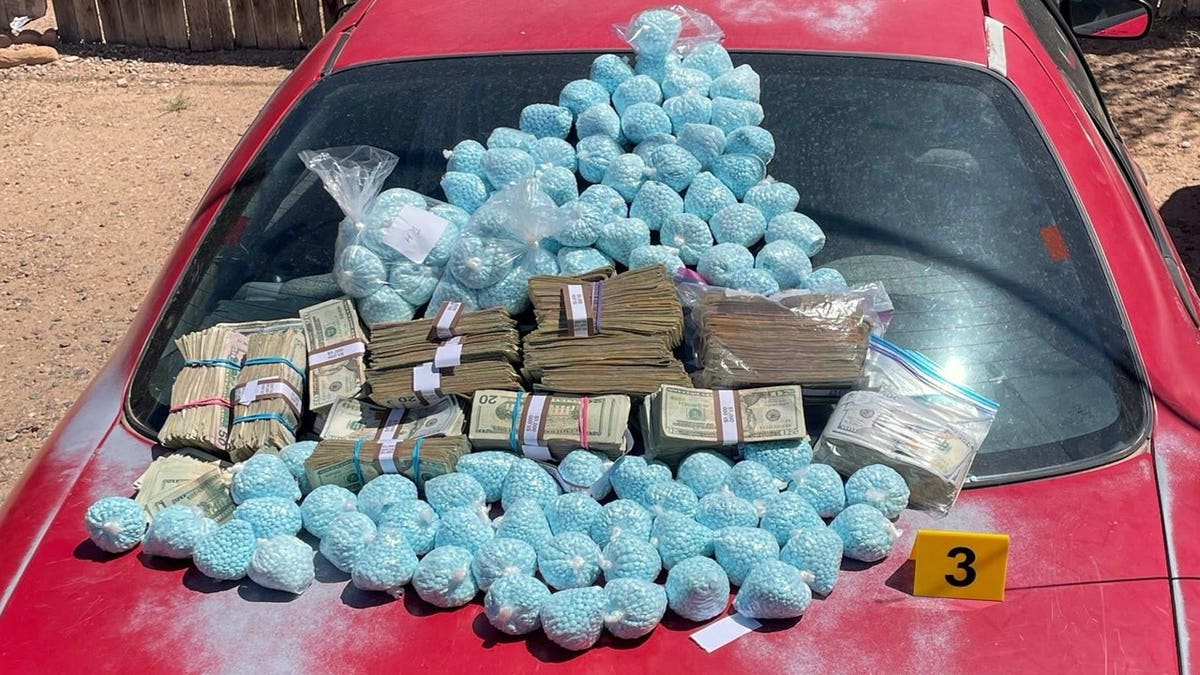
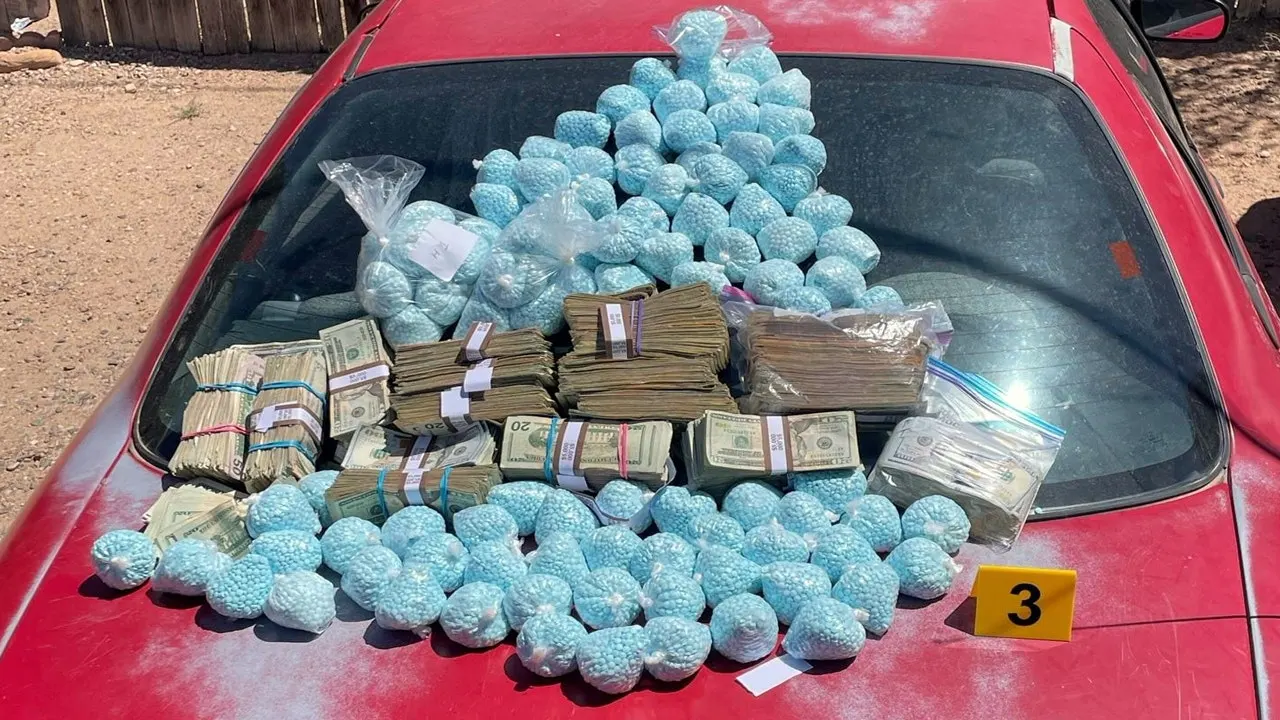
A photo released by the DEA shows fentanyl pills seized in New Mexico on April 28, 2025, as the agency comes under scrutiny over allegations that other shipments were allowed to reach the streets. (DEA via AP)
“If the DEA stood by while poison flooded our communities, that is not a bureaucratic failure,” he continued. “It is a betrayal of the people it was sworn to protect.”
Torrez added that his office “will pursue every legal avenue available to hold the responsible parties accountable and make certain this never happens again.”
The investigation was requested earlier in the week by New Mexico Gov. Michelle Lujan Grisham, who said she was “appalled” by allegations that federal agents were aware hundreds of thousands of fentanyl pills were being allowed to flow into communities across the state.

New Mexico’s attorney general has opened a criminal investigation into allegations that DEA agents allowed large fentanyl shipments to reach local communities while pursuing larger criminal cases. (Joe Burbank/Orlando Sentinel via AP)
“Make no mistake: the DEA knew people would die if these pills made it into New Mexico communities, and the agency let it happen anyway,” Grisham said. “The result: hundreds of New Mexican parents burying their kids. Hundreds of New Mexican kids growing up without stable parents. All while the federal government stood by.”
Grisham also pointed to allegations that DEA agents monitored the delivery of 74,000 fentanyl pills to a mobile home park in Albuquerque without intervening.
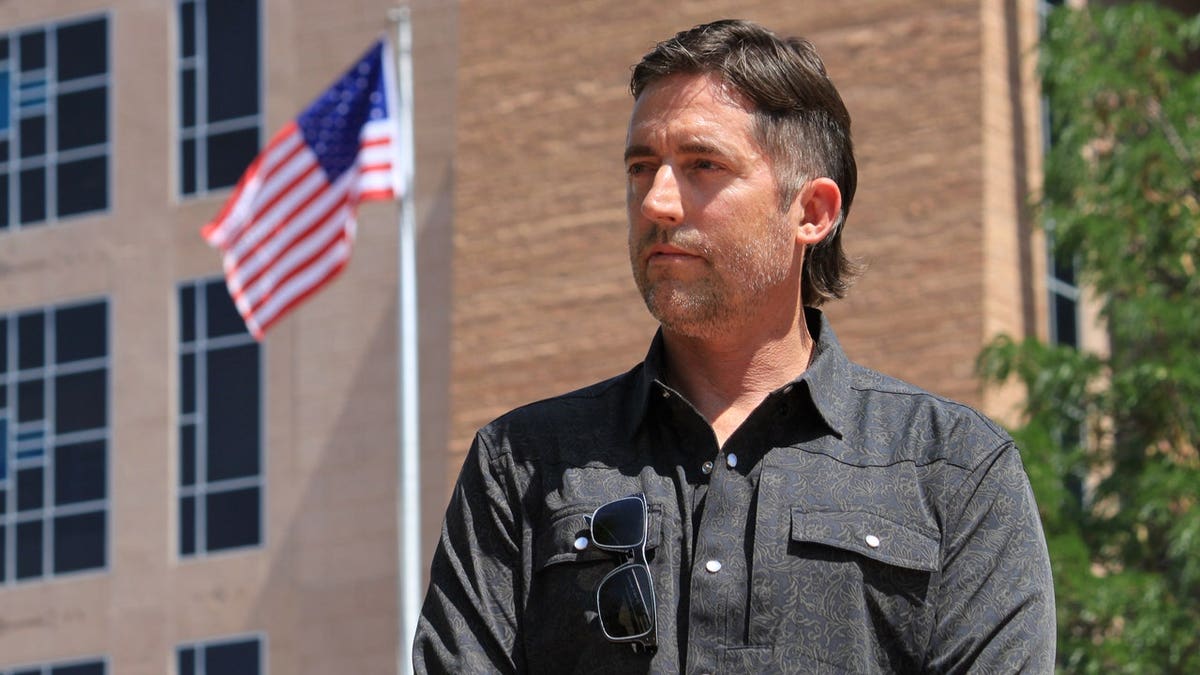
DEA Special Agent David Howell, who filed a whistleblower complaint, poses for a portrait outside the U.S. district courthouse in Albuquerque, N.M., on Friday, June 12, 2026. (AP Photo/Susan Montoya Bryan)
“Shockingly, the federal government stood by while monitoring shipments, tallying exact pill counts, and watching as these deadly drugs hit the streets,” she said.
Current and former DEA agents, including whistleblower David Howell, told the AP the agency’s tactics gambled with public safety and may have violated Department of Justice guidelines.
While the DEA initially denied Howell’s allegations in a statement to the AP, the agency later requested that the Justice Department’s Office of the Inspector General conduct an independent review.
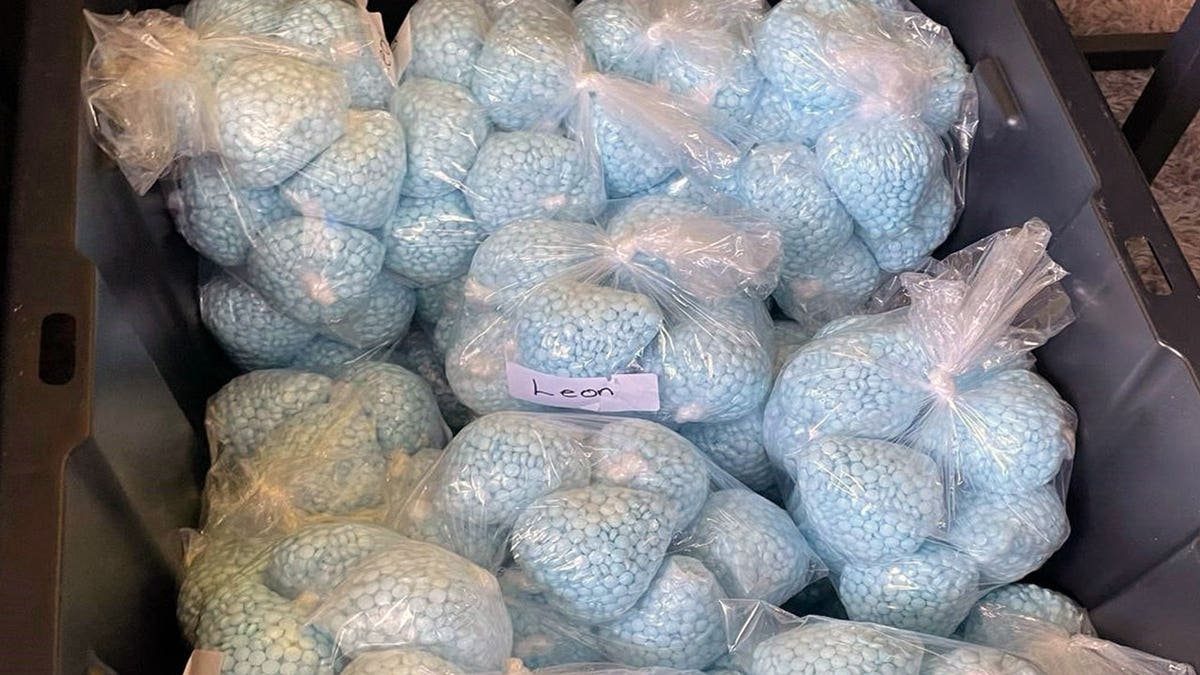
Fentanyl pills seized by the DEA in New Mexico on April 28, 2025. New Mexico officials have since launched a criminal investigation into allegations involving the agency’s handling of separate fentanyl shipments. (DEA via AP)
“Should that review identify areas of improvement, the DEA will of course implement changes to better their practices,” the Justice Department said in a statement. “We welcome a partnership with Governor Lujan Grisham, as well as New Mexico state and local leaders, to fight the scourge of fentanyl and keep her constituents safe.”
The allegations stem from enforcement operations conducted during the deadliest drug epidemic in U.S. history, even as the DEA promoted its “One Pill Can Kill” public awareness campaign warning that even a small amount of fentanyl can be fatal.
News Agency has reached out to the DEA for comment regarding the investigation.