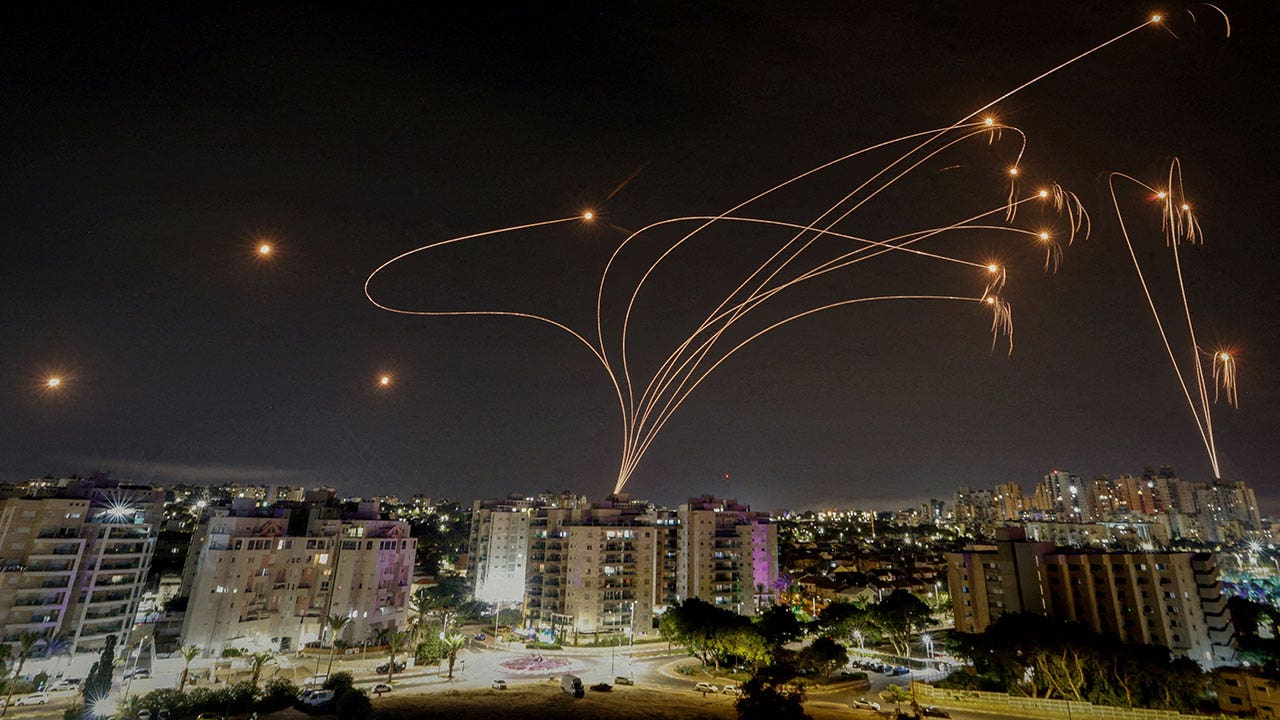

EXCLUSIVE: While U.S., Israeli, and allied forces have successfully intercepted the majority of Iranian missiles and drones, a new report accompanied by expert analysis highlights an underlying concern beyond the headlines: the financial and logistical sustainability of these defense measures.
According to a report from the Jewish Institute for National Security of America (JINSA) obtained by Fox News Digital, over 90% of Iranian projectiles have been intercepted in the ongoing conflict. This success is attributed to a meticulously coordinated layered regional air defense system developed over several years.
Despite this high interception rate, an emerging imbalance could influence the conflict’s future dynamics.
The report underscores a significant issue: Iran’s most cost-effective weapons are causing substantial disruption, significantly depleting the expensive interceptors used by the U.S. and Israel.
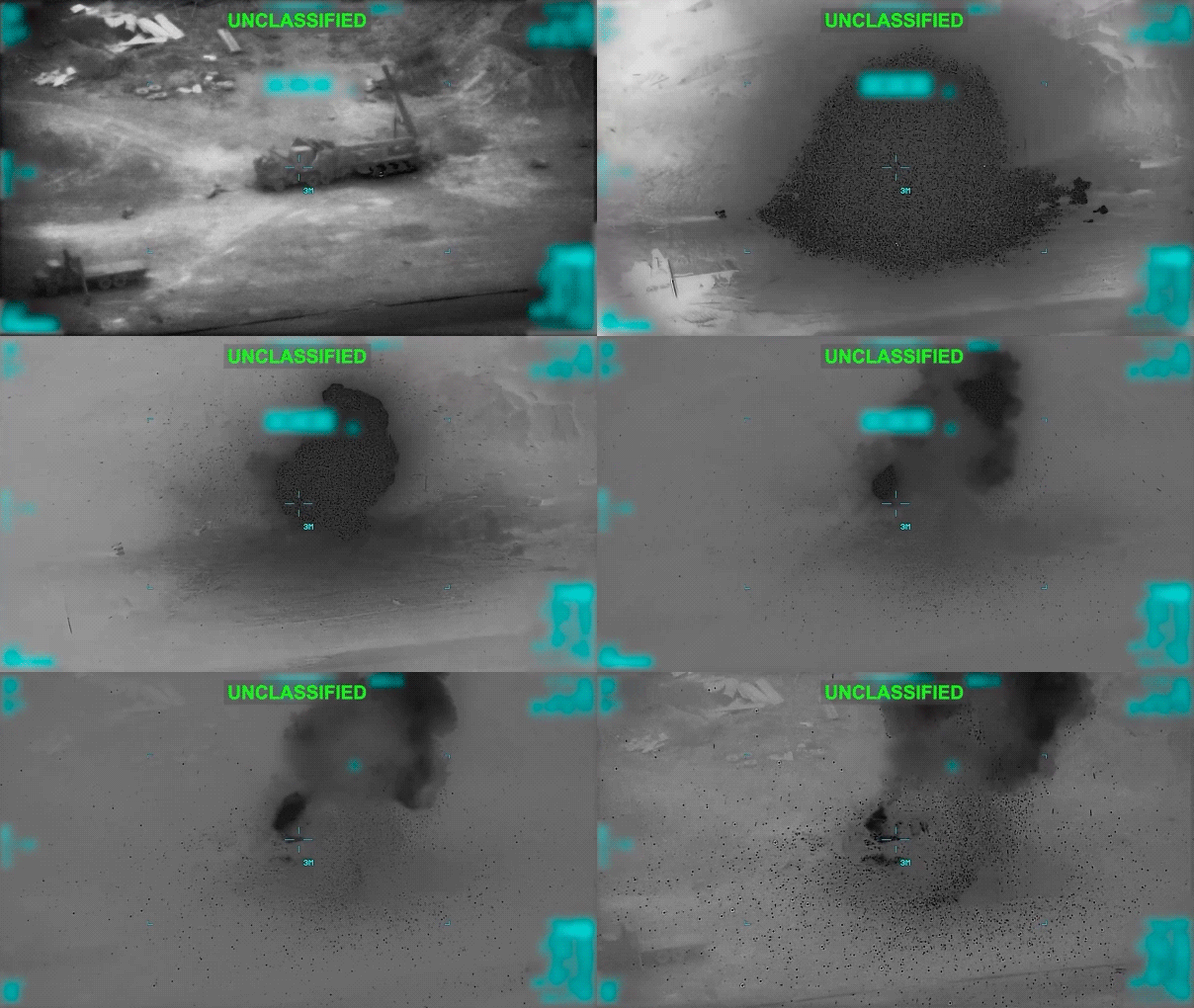
Footage released by U.S. Central Command shows strikes on Iranian mobile missile launchers. (@CENTCOM via X)
The current air defense framework, which integrates U.S., Israeli, and Arab systems, has been remarkably effective in neutralizing incoming threats. This system relies on early warning alerts, shared radar capabilities, and strategically positioned assets, enabling multiple nations to collaboratively counter Iranian missile and drone attacks.
During a press briefing on Wednesday, press secretary Karoline Leavitt said, “More than 9,000 enemy targets have been struck to date … Iran’s ballistic missile attacks and drone attacks are down by roughly 90%,” she said, adding that U.S. forces have also destroyed more than 140 Iranian naval vessels, including nearly 50 mine layers.
A surge of U.S. assets before the war, including Terminal High Altitude Area Defense (THAAD), batteries, Patriot systems, two carrier strike groups and roughly 200 fighter aircraft, helped absorb Iran’s opening salvos and maintain high interception rates, according to JINSA’s report.
But Ari Cicurel, associate director of foreign policy at JINSA and author of the report, said focusing only on interception percentages misses the bigger picture.
“Overall high missile and drone interception rates have been important but only tell part of the story,” Cicurel told Fox News Digital. “Iran came into this war with a deliberate plan to dismantle the architecture that makes those intercepts possible. It has struck energy infrastructure to upset markets and used cluster munitions to achieve higher hit rates.”
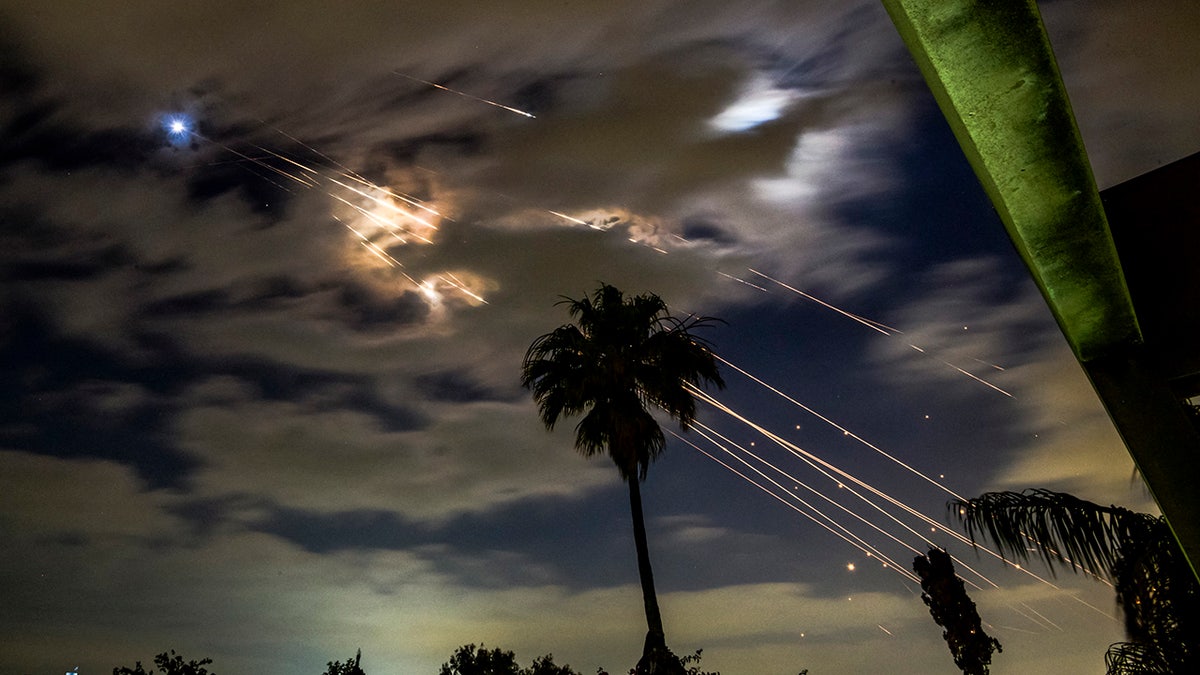
Israel’s air defense targets Iranian missiles in the sky of Tel Aviv in Israel, on June 16, 2025. (MATAN GOLAN/Middle East Images/AFP via Getty Images)
Danny Citrinowicz, a Middle East and national security expert at Institute for National Security Studies and a nonresident fellow at the Atlantic Council, said that imbalance is at the heart of the problem.
“There needs to be a change in the equation,” he told Fox News Digital. “The Iranians are launching drones that cost around $30,000, and we are using missiles that cost millions of dollars to intercept them. That gap is a very problematic one.”
He added that the same dynamic applies to ballistic missiles.
“Building a missile in Iran may cost a few hundred thousand dollars, while the interceptor costs millions, especially when we talk about systems like Arrow,” he said. “It’s easier and quicker to produce missiles than it is to build interceptors. That’s not a secret.”
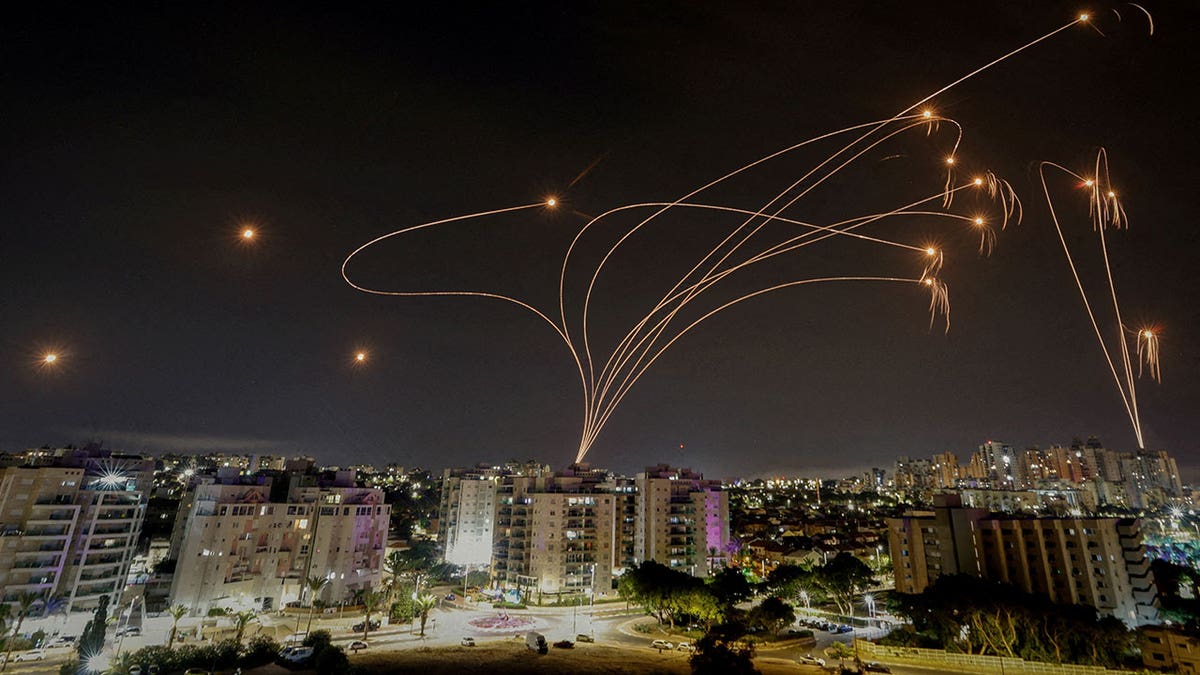
Israel’s Iron Dome anti-missile system intercepts rockets launched from the Gaza Strip, as seen from the city of Ashkelon, Israel, Oct. 9, 2023. (Amir Cohen/Reuters)
This cost imbalance is feeding into a broader concern: interceptor depletion.
The JINSA report warns that stockpiles across the region are already under strain. Some Gulf states have used a significant portion of their interceptor inventories, with estimates suggesting Bahrain may have expended up to 87% of its Patriot missiles, the United Arab Emirates and Kuwait have used roughly 75% and Qatar has used roughly 40%.
Israel is also facing mounting pressure. While officials have not publicly confirmed stockpile levels, the report notes signs of rationing, including decisions not to intercept certain cluster-munition threats in order to conserve more advanced interceptors.
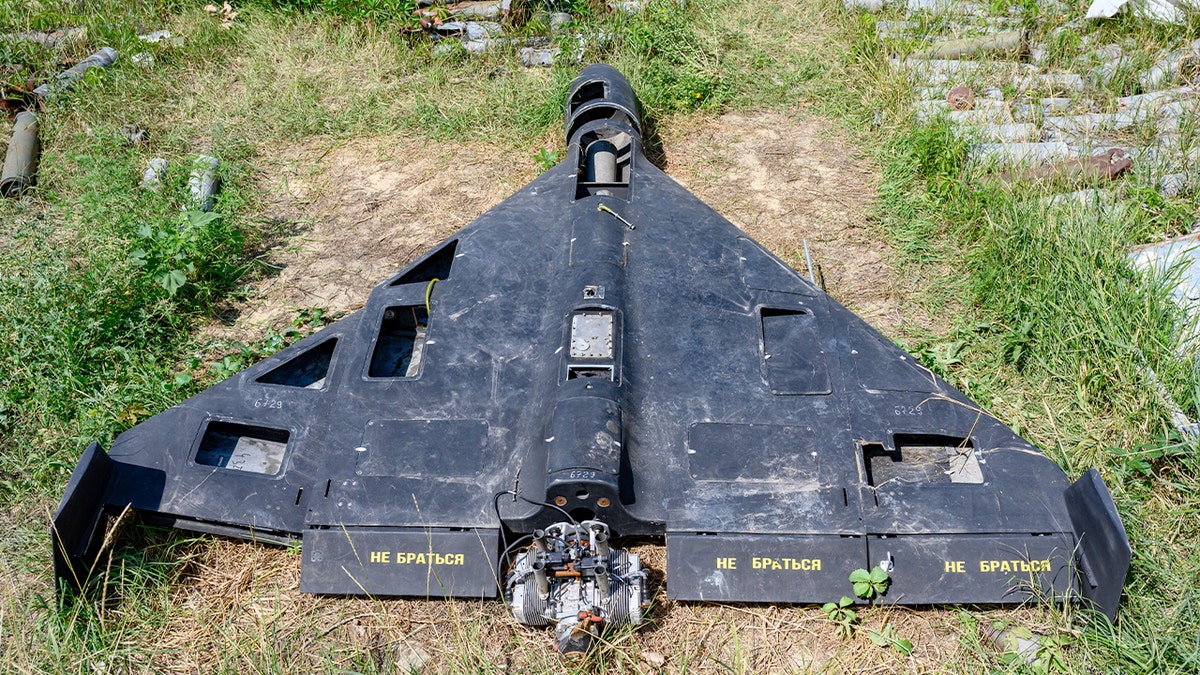
The remains of a Russian-made, Iran-designed Shahed-136 drone, known in Russia as a Geran-2, are displayed with other recovered drones, glide bombs, missiles and rockets in Kharkiv on July 30, 2025. (Scott Peterson/Getty Images)
Citrinowicz said that dynamics become more acute the longer the war continues.
“We are now several weeks into the war, and even if the salvos are limited, the issue of interceptors becomes more significant over time,” he said.
Iran has adapted its tactics accordingly, shifting from large barrages to smaller, more frequent attacks designed to maintain constant pressure while gradually draining defensive resources.
These persistent salvos, even if limited in size, force defenders to remain on high alert and continue expending interceptors, accelerating the depletion of already finite stockpiles.
The report underscores that drones pose a unique challenge compared to ballistic missiles.
Unlike missiles, which rely on large launchers and leave detectable signatures, drones can be launched from mobile platforms and can fly at low altitudes that make them harder for radar systems to detect.
For example, A Shahed-136 weighs roughly 200 kilograms and launches from an angled rail mounted on a pickup truck, after which the crew can quickly relocate. That simpler launch profile makes it easier for Iran to disperse, conceal and fire under pressure, the report stated.
Iran also has incorporated lessons from the war in Ukraine, deploying more advanced drones, including those guided by fiber-optic cables that are immune to electronic jamming, and faster variants powered by jet engines.
These innovations complicate interception timelines and increase the likelihood of successful strikes, even against otherwise effective defense systems.
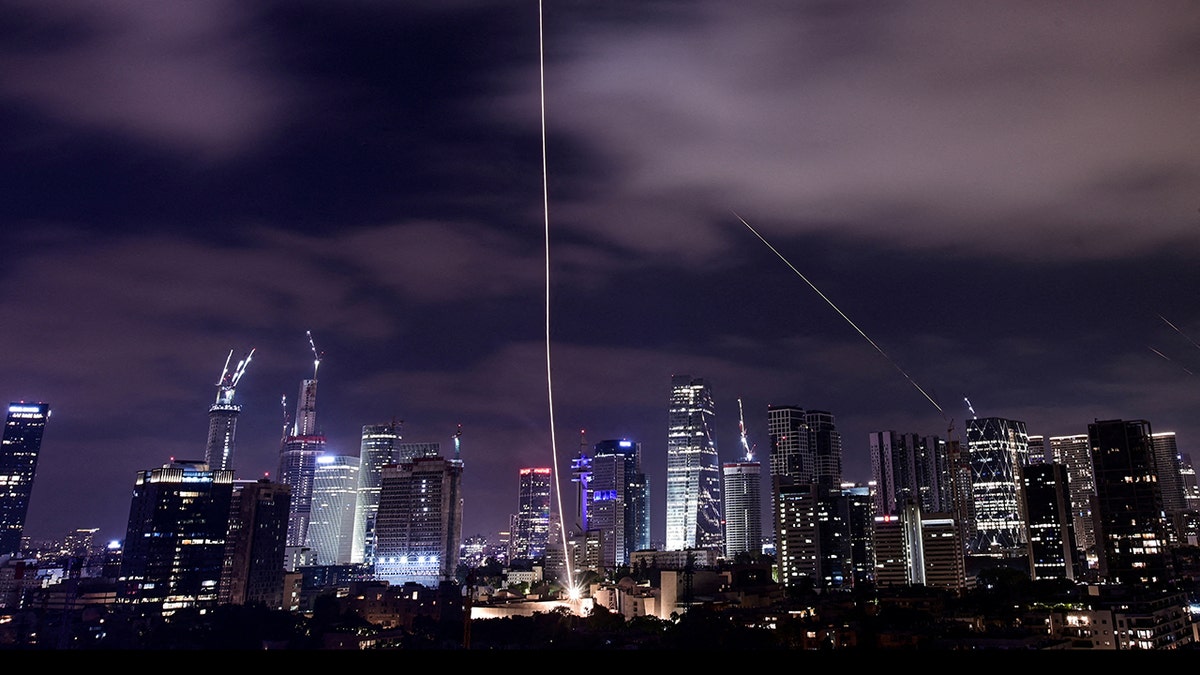
Missiles launched from Iran are intercepted as seen from Tel Aviv, Israel, June 15, 2025. (REUTERS/Tomer Neuberg)
Despite these challenges, the report emphasizes that the defensive architecture has not failed.
“The architecture has held, but the trajectory is moving in the wrong direction,” Cicurel said. “Reversing it requires moving assets to where the pressure is greatest, hunting Iranian launchers and drones more aggressively, and convoying ships through the Gulf.”
Even with high interception rates, the broader impact of the attacks is being felt.
Iranian strikes on energy infrastructure and shipping have driven oil prices higher and disrupted traffic through the Strait of Hormuz, demonstrating that air defense alone cannot prevent economic and strategic consequences.
The emerging picture is not one of failing defenses, but of a system under growing strain.
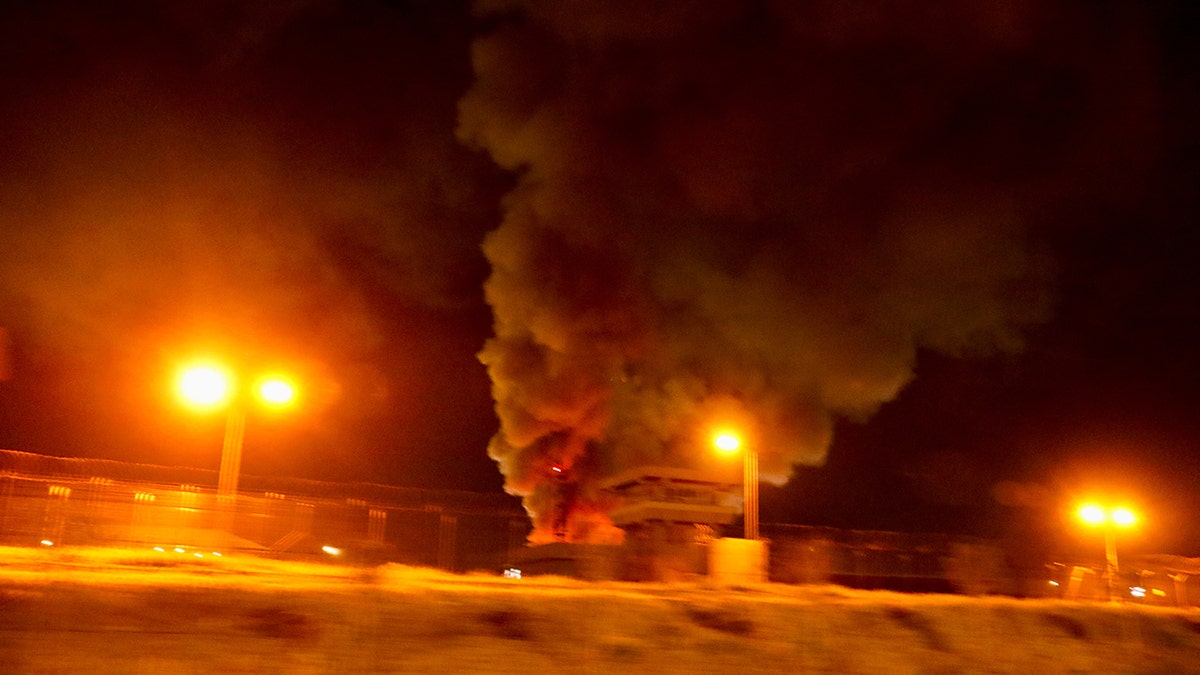
An explosion is reported near the U.S. Consulate and the Erbil International Airport area, where a U.S. military base is also located, in Erbil, Iraq, with fire breaking out and thick smoke rising following the blast, on march 12, 2026. (Ahsan Mohammed Ahmed Ahmed/Anadolu via Getty Images)
As long as Iran can produce cheap drones and missiles faster than the U.S., Israel and their partners can produce interceptors, the balance may gradually shift.
“As long as the war continues,” Citrinowicz said, “the key question will be whether Iran can produce missiles faster than we can produce interceptors.”