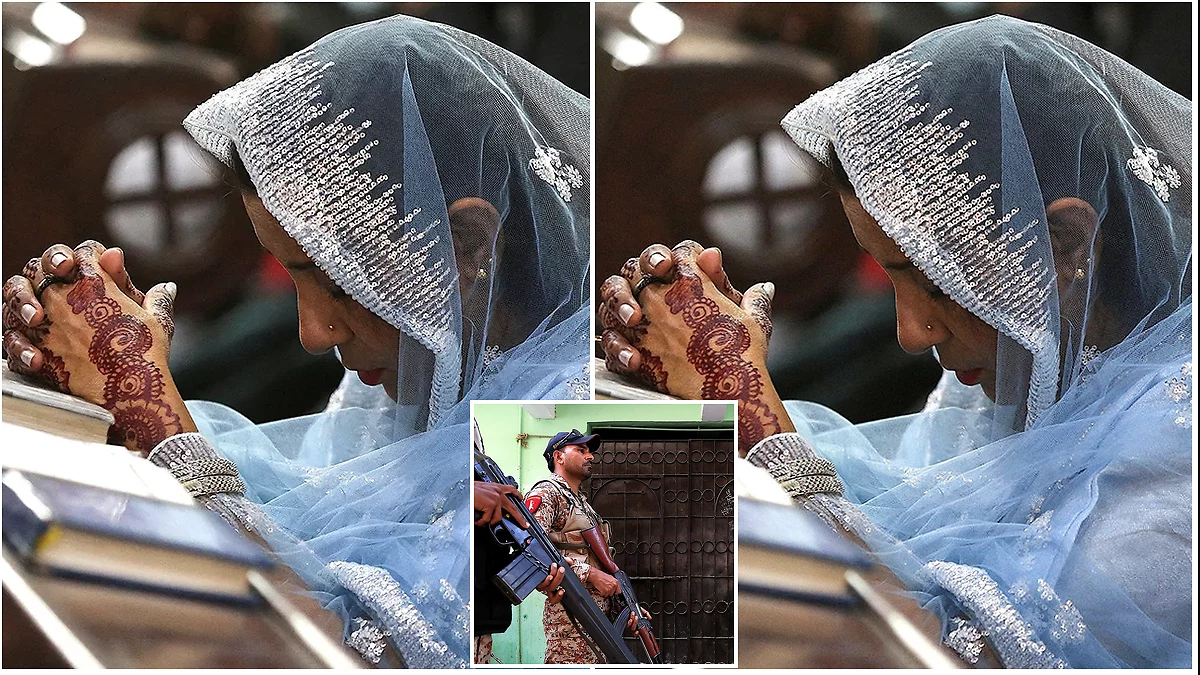

Pakistan’s Supreme Court has upheld the conviction and death sentence of a Christian man accused of blasphemy against the Prophet Muhammad, prompting outrage and alarm from human rights advocates.
Supporters of the case say the ruling could have sweeping consequences for human rights in Pakistan and the country’s international reputation. Pakistan was listed among the 10 countries where Christians face the most severe persecution in Open Doors’ 2026 World Watch List.
CeCe Heil, senior counsel and international legal director at the American Center for Law and Justice (ACLJ), told News Outlet that the legal case involving brothers Amoon and Qaisar Ayub began in 2014.
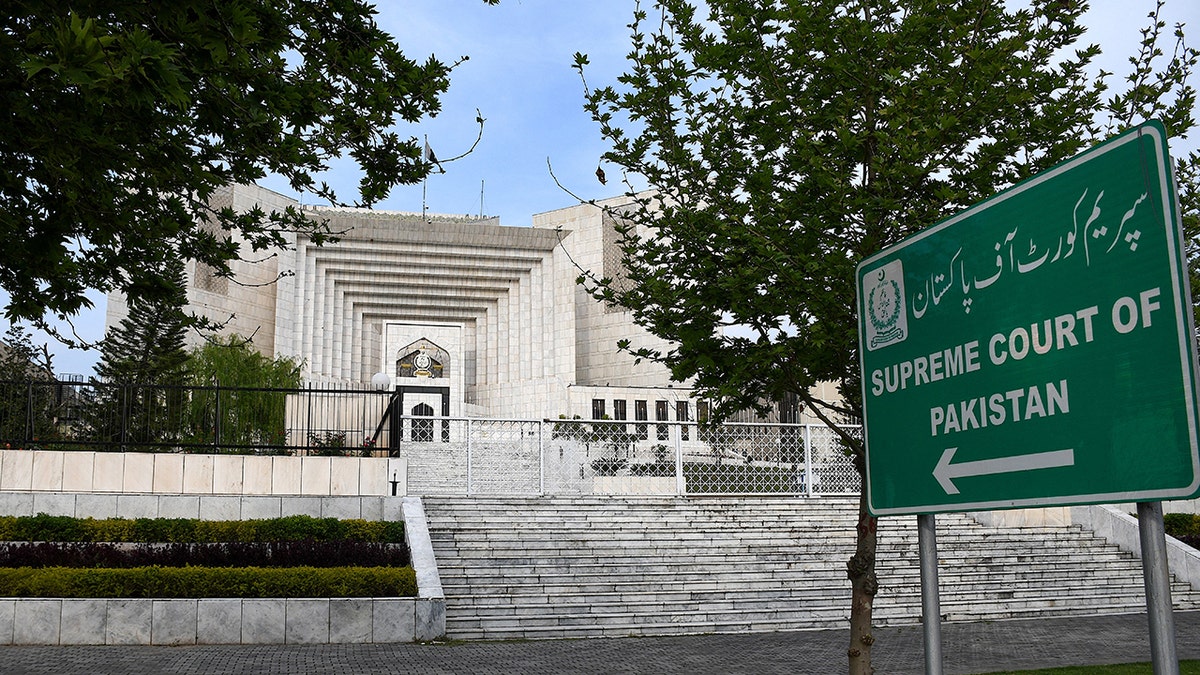
The Supreme Court of Pakistan building in Islamabad, March 26, 2026. (Yasir Rajput/Reuters)
Qaisar was arrested after a WordPress website published the brothers’ contact details alongside material deemed insulting to the Prophet Muhammad. Amoon was detained the next year. Heil said that during the 12 years of litigation that followed, prosecutors never produced evidence establishing that either brother was connected to the website in question.
The ACLJ began representing Amoon through its Pakistani partner, the Organization for Legal Aid (OLA), soon after his 2015 arrest. Both brothers received death sentences in 2018 and lost an appeal before the Lahore High Court in 2022. Following further proceedings at the Supreme Court in 2025, Qaisar also asked the OLA to take on his case.
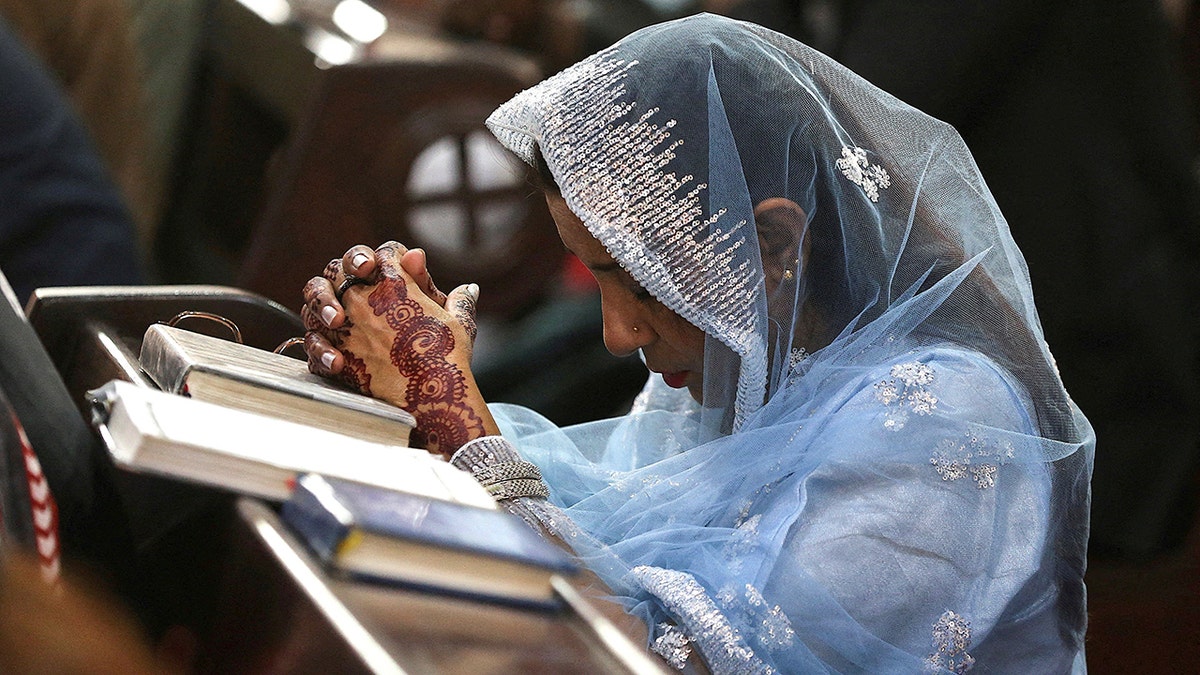
A Christian worshiper attends an Easter prayer at the St. John’s Cathedral, in Peshawar, Pakistan, April 5, 2026. (Khuram Parvez/Reuters)
After years of legal arguments and 13 postponed hearings, the Supreme Court issued its decision Oct. 7. Amoon was acquitted after spending roughly a decade in prison, but the court upheld Qaisar’s conviction and death sentence.
Heil said blasphemy proceedings are increasingly conducted in an atmosphere of intimidation, with what she described as “mobs” frequently gathering inside or around courtrooms.
In one case, she said, a crowd recorded a video threatening that “if the judge does not enforce death by hanging, we will kill him by our own hands.” Another video, according to Heil, features a prominent lawyer involved in multiple blasphemy cases celebrating the 15-year legal battle that ended with Qaisar’s sentencing. A translated description of the video states: “There is only one punishment for one who insults the Prophet: The death penalty for Qaisar Ayub.”
Heil warned that the Supreme Court’s ruling could affect “every single person that is sitting in prison right now on blasphemy charges,” including at least three people represented by the OLA.
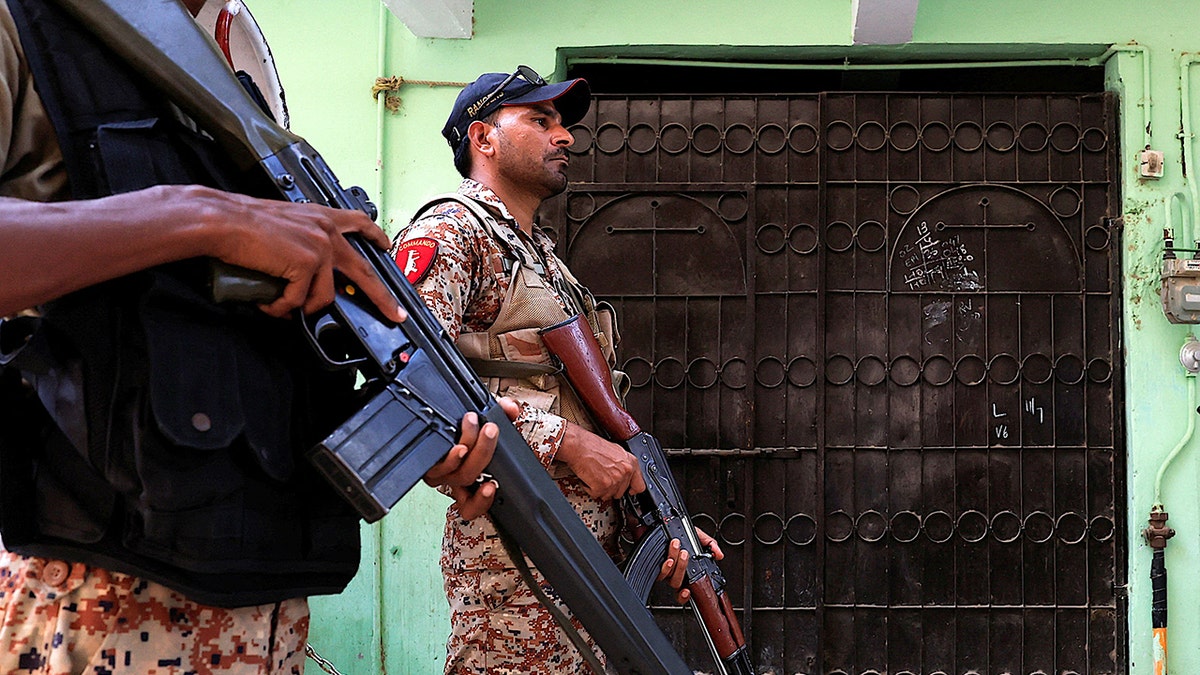
Pakistani Rangers stand guard on a street where a Christian family lives, following allegations of blasphemy and alleged desecration of the Koran, in Karachi, July 17, 2026. (Akhtar Soomro/Reuters)
Among other Christian men facing execution is Shahzad Masih, who was 16 when he was accused of blasphemy in 2017. He was sentenced to death five years later, while his appeals have been repeatedly delayed since 2022.
MUST READ: Tornado Tears Through Turkish Holiday Hotspot, Killing Four
Intizar Masih is awaiting trial over a blasphemous message he allegedly shared on WhatsApp in 2023. Ahsan Masih was accused that same year of posting blasphemous material on TikTok and received a death sentence in 2024. His appeal hearings have likewise been postponed.
The OLA expects to submit a review petition to the Supreme Court as early as this week, challenging Qaisar’s conviction on the grounds that it is unsupported by evidence. The group also plans to appeal directly to Pakistan’s government for assistance, including a presidential pardon for Qaisar.
Heil said it was “very strange” that Pakistan, while presenting itself as a “more tolerant” mediator between global powers amid the ongoing conflict in Iran, would not safeguard the religious freedoms of its own citizens.
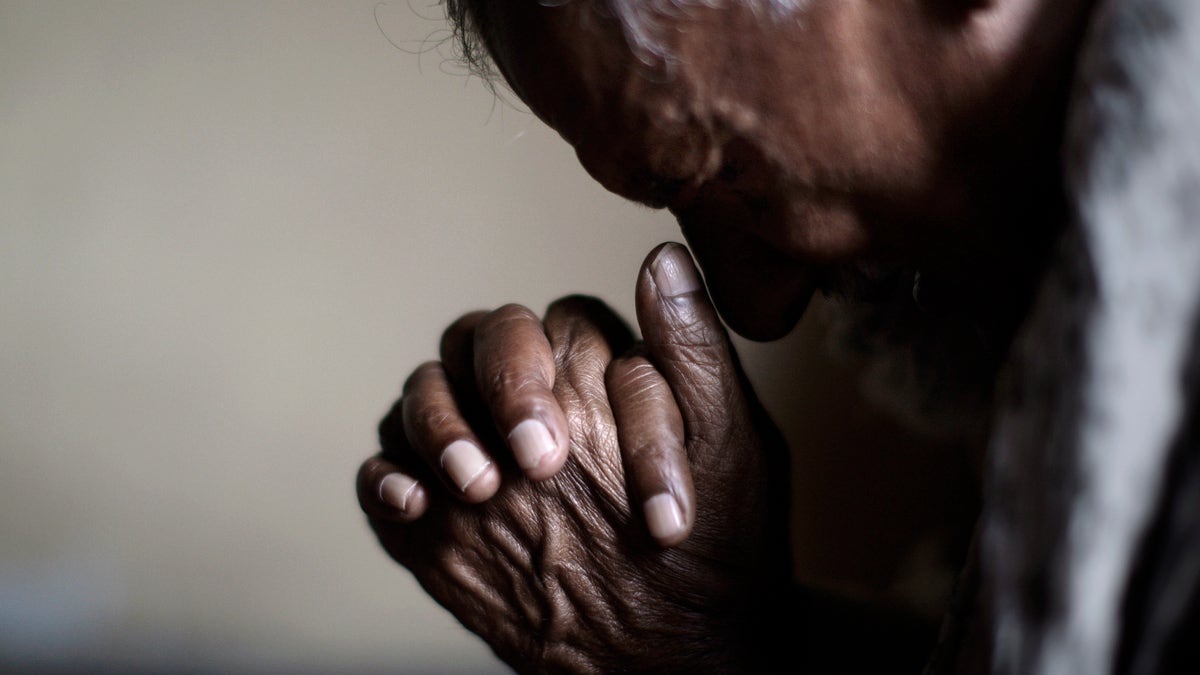
File photo shows an elderly Christian man praying during a Mass on Good Friday in a church in Islamabad, Pakistan. (AP Photo/Muhammed Muheisen)
The Pakistani Embassy in Washington, D.C., did not answer News Outlet’s questions about the prospects of a presidential pardon for Qaisar, the potential effect of the ruling on Pakistan’s image in the West, or whether a fair justice process is possible when courtrooms face threats from angry crowds.
A State Department spokesperson told News Outlet that the United States “is concerned about religious freedom in Pakistan and throughout the world” and that officials “regularly discuss this concern with Pakistan, as we would with any country.”
Heil said the ACLJ has asked Morris Tidball-Binz, the United Nations special rapporteur on extrajudicial, summary or arbitrary executions, to intervene on Qaisar’s behalf.
Tidball-Binz did not respond to News Outlet’s questions about whether he held concerns about the precedent set by the Supreme Court upholding Qaisar’s conviction.
The Human Rights Council secretariat provided a letter that Tidball-Binz and other U.N. officials wrote to the Government of Pakistan in September 2025, emphasizing their concerns about the cases of the Ayub brothers and Shahazad Masih.
It stated, “Without making any judgment as to the accuracy of the information made available to us, we would like to express our grave concern about the imposition of the mandatory death penalty for blasphemy related charges against Mr. Shahzad Masih, Mr. Qaiser Ayub and Mr. Amoon Ayub, despite an apparent lack of conclusive evidence against them for acts and for offenses which do not qualify as ‘most serious crimes.’”
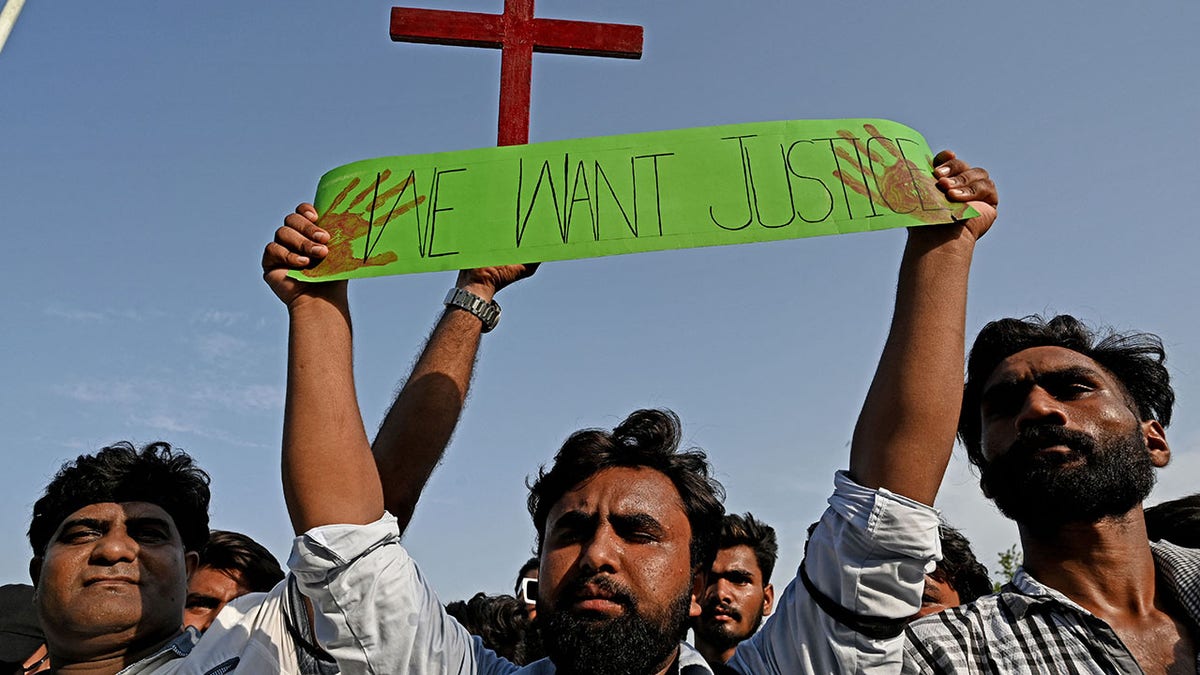
Christians demanded justice during a protest in Islamabad condemning attacks on churches in Pakistan on Aug. 20, 2023. Pakistan is one of the top 10 worst countries for Christian persecution, according to a new report. (Aamir Qureshi/AFP via Getty Images)
The U.N. officials concluded, “If the above allegations prove to be accurate, they would be in contravention of Mr. Shahazad Masih´s, Mr. Qaiser Ayub’s and Mr. Amoon Ayub’s rights to life, not to be subjected to torture or to cruel, inhuman or degrading treatment or punishment, not to be deprived arbitrarily of their liberty and to be afforded fair proceedings before an independent and impartial tribunal, to freedom of thought, conscience and religion or belief, the right to express their opinion in a peaceful manner and the right to be equal before the law and are entitled to the equal protection of the law without any discrimination.”
The Government of Pakistan responded earlier this year, and outlined how “Under Pakistan’s Constitution, such matters fall within the judicial domain, and the Executive is constitutionally prohibited from intervening in individual cases.”
Heil said that while Amoon has been spared from the death penalty, their work is ongoing to keep him safe from reprisals.


