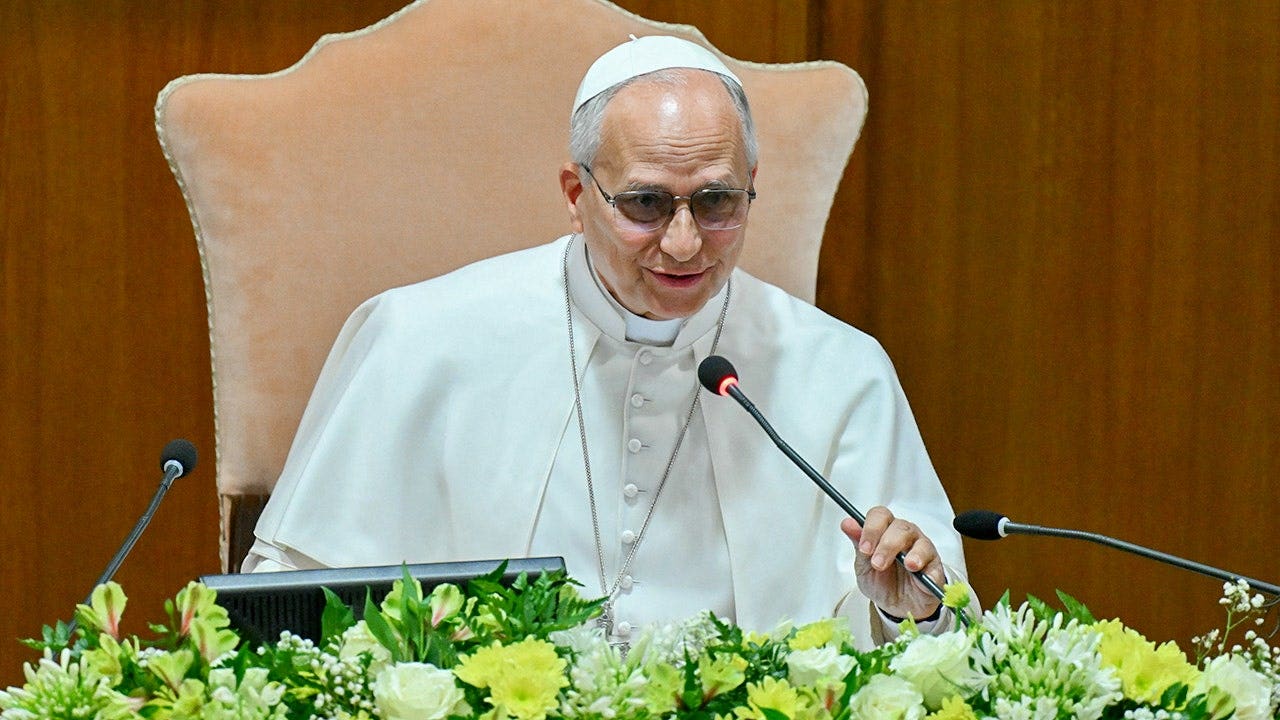

Pope Leo has introduced a groundbreaking encyclical titled “Magnifica Humanitas,” cautioning that artificial intelligence could become a tool for “domination, exclusion, and death” if not regulated by ethical guidelines. This announcement urges governments and institutions to establish moral boundaries as AI technology advances at a rapid pace.
With this encyclical, the Vatican formally steps into the ongoing global discourse on artificial intelligence. This move comes at a critical time when both governments and tech companies are racing to develop increasingly sophisticated AI systems, often in the absence of comprehensive international regulations.
Drawing parallels with historical events, the pontiff referenced Pope Leo XIII’s 1891 encyclical “Rerum Novarum,” which addressed worker exploitation during the Industrial Revolution. He argued that today’s AI evolution poses a similar threat to human dignity, marking a transformative era with potentially even greater consequences.
“We are currently facing a transformation of similar magnitude, possibly with even more significant outcomes,” Pope Leo stated, highlighting the urgent need for ethical considerations in AI development.
As concerns about AI-controlled weaponry grow, the United Nations is revisiting regulations on so-called “killer robots.” This reflects the increasing global anxiety surrounding the unchecked growth of artificial intelligence technologies.
The encyclical underscores Pope Leo’s warning that, without moral constraints, AI could lead to domination, exclusion, and death. His call to action invites global leaders to ensure that this powerful technology serves humanity positively and ethically.
The pope warned about increasingly autonomous weapons systems that are beyond meaningful human control. He also said AI systems could block access to healthcare, employment and security because of biased data. He compared AI governance to nuclear arms control.
“Like nuclear energy, it must be at the service of all and of the common good,” he said.
AI layoffs may be backfiring on companies
Pope Leo XIV leads a vigil for peace inside St. Peter’s Basilica at the Vatican on April 11, 2026. (Gregorio Borgia/AP)
The pope said disarming AI alone is not enough and called on governments and institutions to “build” systems rooted in trust and human dignity. Recalling devastating floods in Peru, he said rebuilding means restoring trust and hope.
WHY A CLASSICAL EDUCATION MAY BE THE KEY TO HUMANITY’S FUTURE IN THE AI ERA
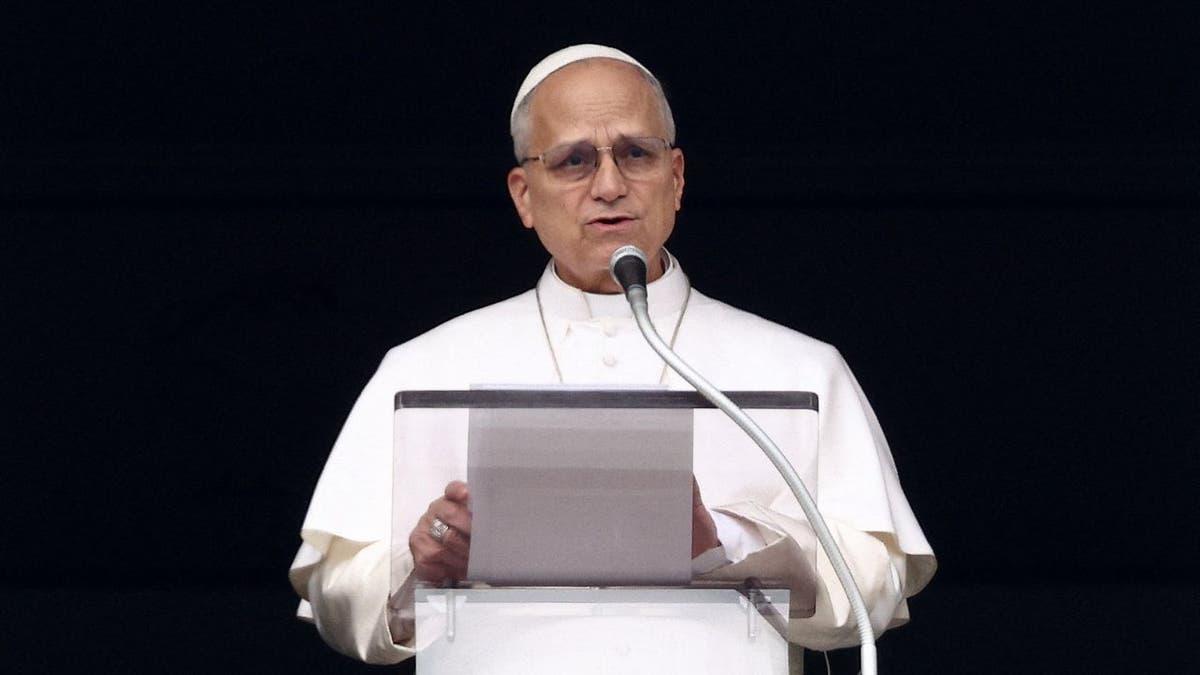
Pope Leo XIV leads the Angelus prayer from the window of the Apostolic Palace at the Vatican on March 1, 2026, warning that escalating violence in the Middle East risks becoming an “irreparable abyss.” (REUTERS/Guglielmo Mangiapane)
The pope also laid out the church’s broader argument about humanity and technology.
“The person bears within him- or herself a freedom, an interiority and a vocation to love and worship that no machine can replace,” he said.
The Vatican is attempting to insert moral theology into a largely secular technological arms race.
“Stay awake,” the pope urged, warning humanity not to surrender moral judgment to machines.
<!–>
–>