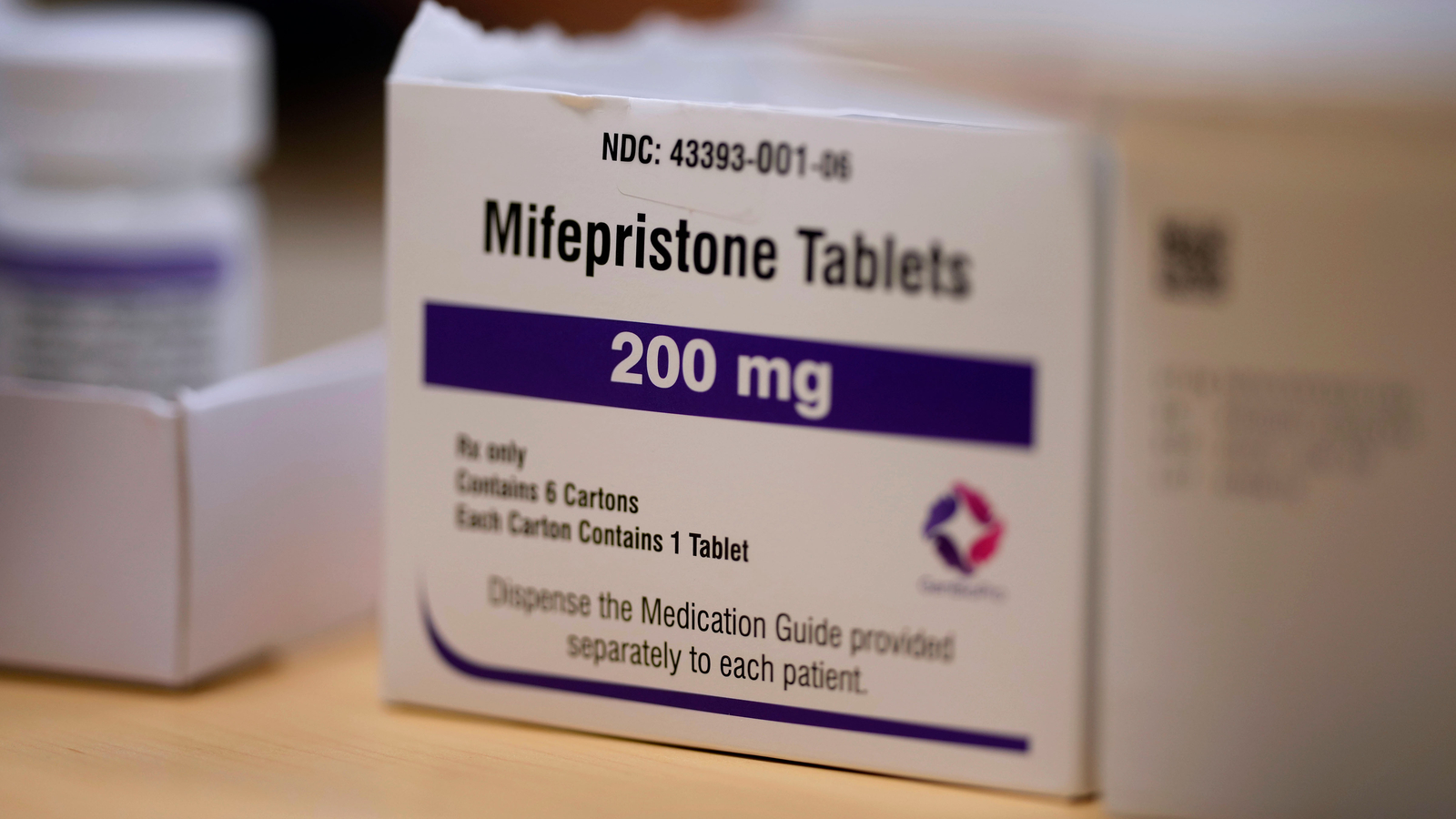

The U.S. Supreme Court took significant action on Monday, reinstating widespread access to the abortion medication mifepristone. This decision effectively halts a previous ruling that could have disrupted one of the primary methods of abortion in the country.
Justice Samuel Alito’s order permits women to acquire mifepristone from pharmacies or receive it through the mail, eliminating the need for an in-person consultation with a doctor. This temporary measure restores regulations that have been in place for several years, which were recently challenged by a federal appeals court’s decision to impose new restrictions.
In the United States, the majority of abortions are carried out using medication, typically involving mifepristone in combination with another drug, misoprostol. The availability of these medications has mitigated the impact of abortion restrictions, particularly in Republican-led states, following the 2022 Supreme Court decision that overturned Roe v. Wade.
The state of Louisiana has initiated legal action to limit access to mifepristone, arguing that its availability undercuts the state’s abortion ban.
Meanwhile, some states led by Democrats have enacted laws that aim to safeguard those who prescribe these medications via telehealth to patients residing in states where abortion is banned.
Some Democratic-led states have laws that seek to give legal protection to those who prescribe the drugs via telehealth to patients in states with bans.
Alito’s order will remain in effect for another week while both sides respond and the court more fully considers the issue.
Manufacturers of mifepristone filed emergency appeals asking the Supreme Court to step in.
Kristan Hawkins, president of the anti-abortion group Students for Life, decried Monday’s decision.
“Pill pushers receive every benefit of the doubt, including today, as Justice Alito allows pill traffickers and big pharma to operate temporarily while arguments are sent to the Court,” she said in a statement.
After Friday’s ruling from the appeals court, some groups that prescribe abortion pills by telehealth had planned to switch to misoprostol-only regimens.
Dr. Angel Foster, founder of The Massachusetts Abortion Access Project, said her organization was preparing to send misoprostol only on Monday afternoon but was able to switch back.
“Regardless of what happens with this regulatory issue, we and other groups will continue to provide high-quality abortion care to patients in all 50 states,” she said.
Copyright © 2026 by The Associated Press. All Rights Reserved.