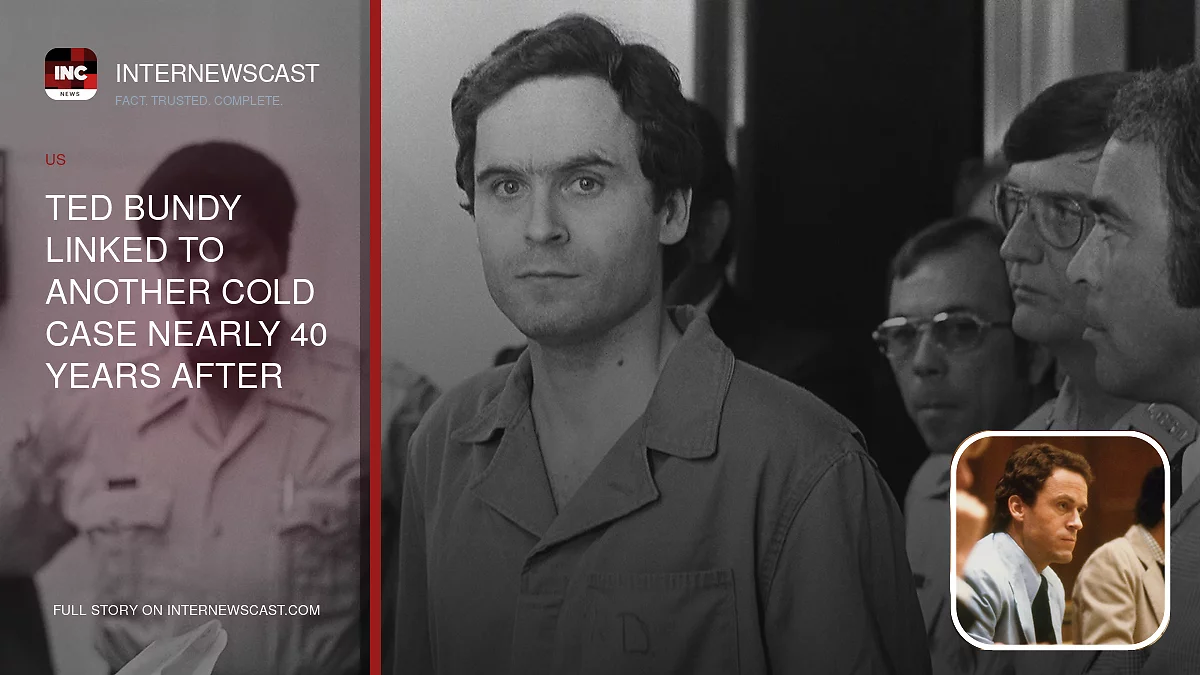

Utah authorities have officially identified notorious serial killer Ted Bundy as the murderer of 17-year-old Melissa Ann Smith, bringing a 52-year-old homicide investigation to a close on the anniversary of the discovery of her body.
Hunters found Smith’s remains on Oct. 27, 1974, in a wooded area near the Summit-Salt Lake county line. Although Bundy was long the subject of speculation, investigators never publicly designated a suspect, leaving the case unresolved for more than five decades.
The case broke open when DNA recovered in the killing of another 17-year-old Utah victim, Laura Ann Aime, generated a match to Bundy through the Combined DNA Index System, known as CODIS.
Investigators subsequently compared the DNA from Aime’s case with biological evidence preserved from Smith’s homicide. The profiles matched.

Ted Bundy appears in a Miami courtroom on July 13, 1979. (Bettmann Archive via Getty Images)
“This DNA evidence, when considered alongside evidence related to pattern, motive, means and opportunity, establishes that Ted Bundy was responsible for Melissa Ann Smith’s murder,” Summit County Attorney Margaret Olson said Tuesday.
The Smith investigation was reopened after new developments in Aime’s case led Utah County investigators to contact Summit County officials in May 2025. Authorities had identified similarities between the two killings.
Aime disappeared on Oct. 31, 1974, after leaving a Halloween party to buy cigarettes. Hikers found her body several days later near American Fork Canyon.
Investigators concluded that Aime had been raped, strangled and killed.
Bundy had been regarded for decades as the leading suspect in Aime’s death. He began studying law at the University of Utah only two months before her disappearance.
Crucial evidence collected during the 1974 investigation into Smith’s death had been stored for more than 50 years. Its preservation enabled investigators to reexamine the case as forensic methods improved.

Theodore “Ted” Bundy is shown after the murders of Florida State University students Margaret Bowman and Lisa Levy, who were beaten and strangled at the Chi Omega House on Jan. 15, 1978. (Getty Images)
Salt Lake County Sheriff’s Office Detective Ben Pender said homicide evidence is retained indefinitely for situations like this, giving investigators the chance to revisit cold cases when new leads or technologies emerge.
NEXT UP: Latest UFO Files Detail Black Triangles Over Secret US Military Bases
Officials said Smith’s family has been informed that the case was solved. A relative who spoke with investigators was “very, very gratified” by the development but chose not to attend Tuesday’s news conference or comment publicly.
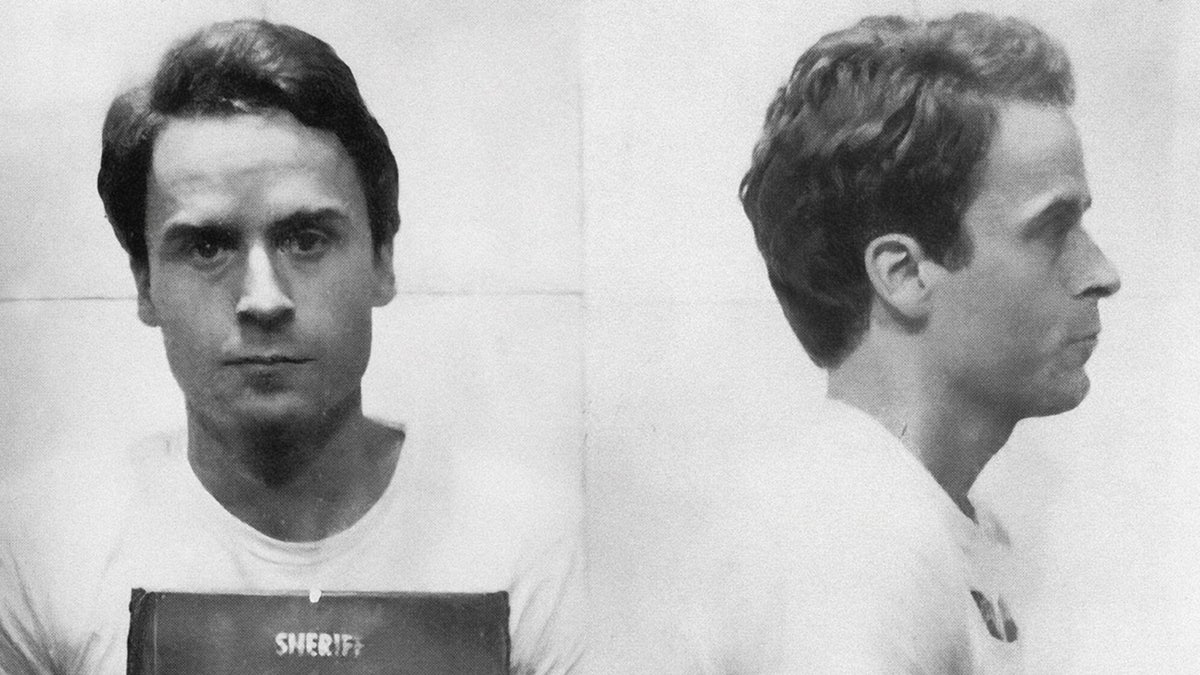
A digitally enhanced 1975 mugshot of serial killer Ted Bundy from Salt Lake County (Alamy)
Bundy is known to have killed at least 30 women and girls across several states during the 1970s.

Ted Bundy is shown in custody on Feb. 18, 1978. (IMAGN)
Before his execution, Bundy confessed to numerous killings, including some crimes previously unknown to police. However, authorities have not been able to confirm every case he claimed.
He has been connected to murders in Florida, Utah, Colorado, Oregon and Washington committed between 1974 and 1978.
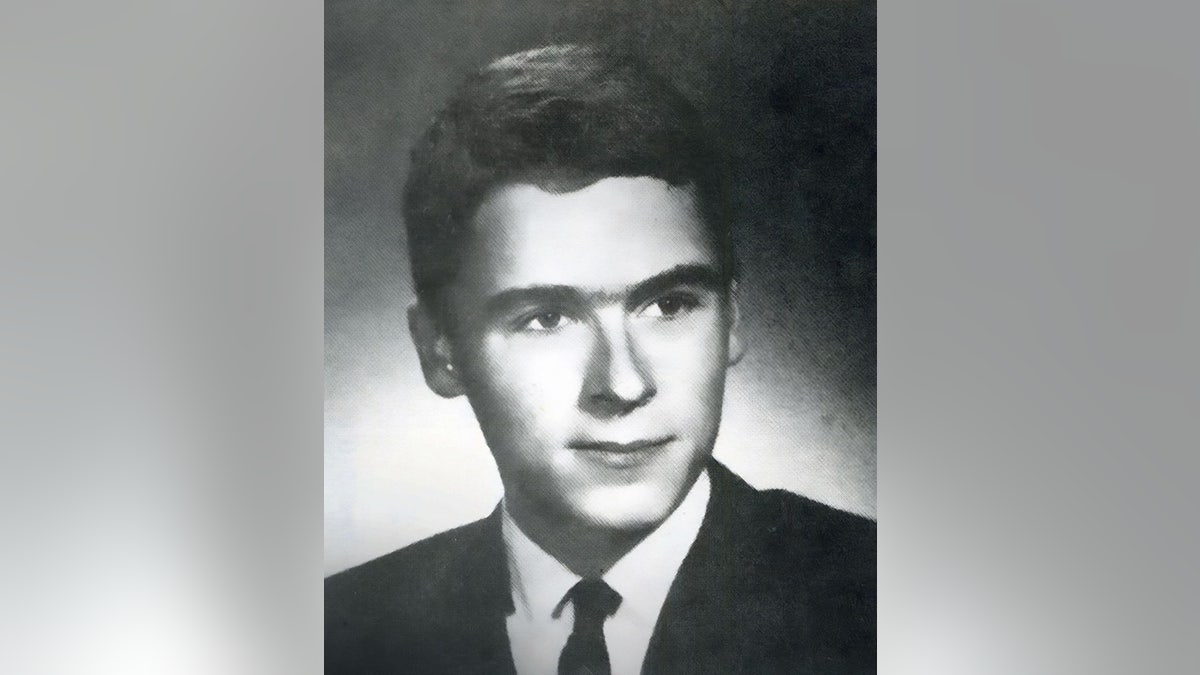
A digitally enhanced 1965 high school yearbook photo of serial killer Ted Bundy. (Alamy)
Bundy was convicted and sentenced to death for murdering two Florida State University students in 1979 and received another death sentence the following year for the rape and murder of a 12-year-old girl.
He was executed in Florida’s electric chair in 1989.
Despite closing Smith’s case, investigators said their work to identify Bundy’s other possible victims is not over.
“It does not close the book on Ted Bundy,” Pender said, pointing to the unresolved case of Nancy Wilcox. He said investigators have information suggesting Bundy may be connected to Wilcox’s case but have not reached a definitive conclusion and will continue investigating.


